How Rwanda’s Gorilla Permit Price Reflects Conservation and High-End Trekking Experience
When planning Rwanda gorilla trekking, one of the first considerations travelers encounter is the cost of a gorilla permit. Unlike other safari experiences, Rwanda’s gorilla permits are priced at a premium, reflecting both the exclusivity of the encounter and the critical role tourism plays in conservation. Understanding how the gorilla permit price supports sustainable practices, high-quality infrastructure, and responsible tourism enhances the overall appreciation for gorilla trekking in Rwanda and the value it provides to travelers and local communities alike.
The primary justification for the high permit price is conservation of mountain gorillas and their habitat. Rwanda is home to a significant portion of the world’s remaining mountain gorillas, a species classified as endangered. Gorilla permits fund anti-poaching patrols, ranger salaries, and ecological monitoring programs, ensuring that these iconic primates remain protected in their natural habitat. By maintaining premium pricing, the Rwanda Development Board (RDB) is able to limit visitor numbers, preventing overcrowding and minimizing ecological impact. This ensures that Rwanda gorilla trekking remains both sustainable and enjoyable, preserving the forest for future generations.
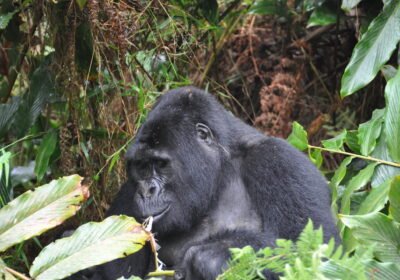
Another factor reflected in the gorilla permit price is the high-end trekking experience offered in Volcanoes National Park. Unlike more crowded wildlife experiences, gorilla treks in Rwanda are highly controlled and personalized. Groups are kept small, typically six participants per trek, allowing guides and trackers to provide focused attention and ensure safety. The one-hour observation limit, coupled with experienced trackers, ensures that encounters are intimate and immersive. This premium setup justifies the cost, as visitors enjoy a guided, ethical, and highly curated experience that cannot be replicated in busier or less regulated environments.
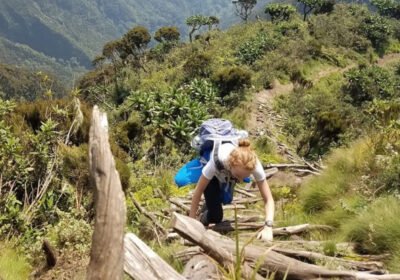
The permit price also covers critical infrastructure and logistics within the park. This includes well-maintained trails, secure ranger stations, ranger and guide training programs, and pre-trek briefing facilities. These elements are essential for both visitor safety and the efficiency of the trek. Unlike some destinations where wildlife encounters are less structured, Rwanda emphasizes meticulous planning and professionalism, ensuring that gorilla trekking in Rwanda is safe, organized, and memorable. The cost of permits reflects the investment required to maintain this level of operational excellence.
Economic support for local communities is another dimension of the permit pricing. Revenue from gorilla permits is shared with communities surrounding Volcanoes National Park, funding education, health initiatives, and community development projects. This approach creates tangible benefits for locals, fostering positive attitudes toward conservation and encouraging sustainable tourism practices. Visitors can feel confident that their investment in a gorilla permit contributes not only to wildlife protection but also to meaningful socio-economic development, making the trek both ethically and emotionally rewarding.
Additionally, the premium permit pricing helps regulate visitor numbers and enhance the overall experience. By setting a higher cost, Rwanda limits daily visitors, preventing congestion on trails and at observation sites. This exclusivity ensures that trekkers have a more serene and personal encounter with gorillas, without the disturbances of large crowds. For photography enthusiasts and wildlife lovers, this results in unobstructed viewing and improved opportunities to capture high-quality images during the one-hour observation window, enhancing the overall satisfaction of Rwanda gorilla trekking.
The permit fee also supports scientific research and long-term monitoring. Gorilla families in Volcanoes National Park are closely observed by rangers, conservationists, and researchers who document behavior, reproduction, and health. This monitoring ensures the safety and well-being of the gorillas and contributes to global knowledge about this endangered species. The revenue generated from permits sustains these ongoing research efforts, allowing Rwanda to maintain one of the world’s most successful gorilla conservation programs.
Finally, travelers should consider the value relative to the experience. While Rwanda’s gorilla permits are among the most expensive in the world, they include access to an exclusive, life-changing wildlife encounter. From navigating volcanic slopes to observing intimate gorilla behaviors in pristine forest habitats, the experience justifies the cost for those seeking authentic gorilla trekking in Rwanda. It combines adventure, education, conservation impact, and luxury in a single, transformative experience.
In conclusion, Rwanda’s gorilla permit price is not merely a ticket; it reflects a commitment to conservation, high-quality trekking experiences, community support, research, and sustainable tourism. Travelers paying this premium contribute directly to the protection of mountain gorillas, benefit from world-class logistical support, and gain a unique, immersive gorilla trekking adventure. Understanding the purpose and impact of the permit price allows visitors to fully appreciate the value and responsibility inherent in observing one of Africa’s most iconic wildlife species.