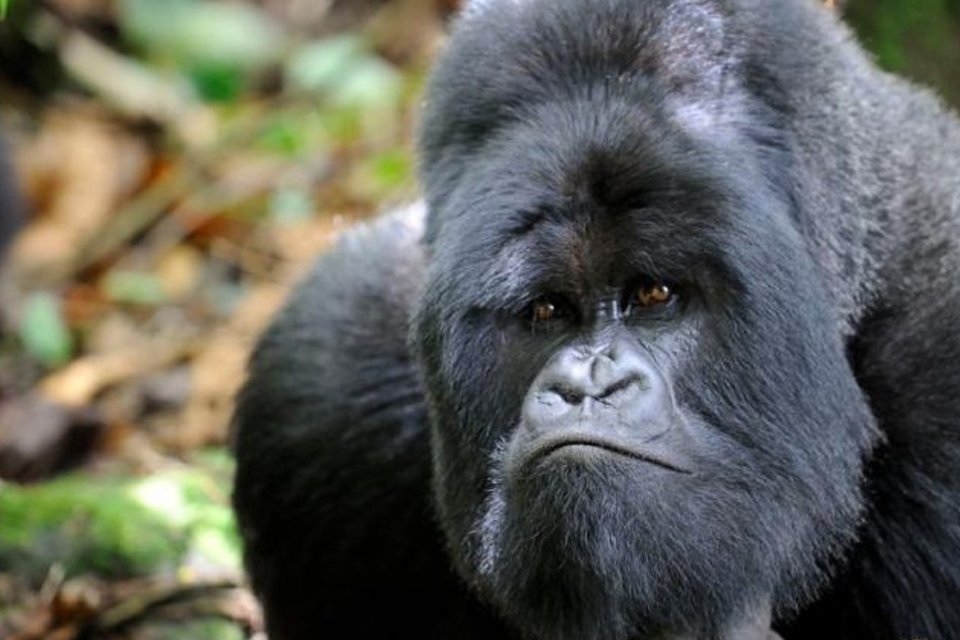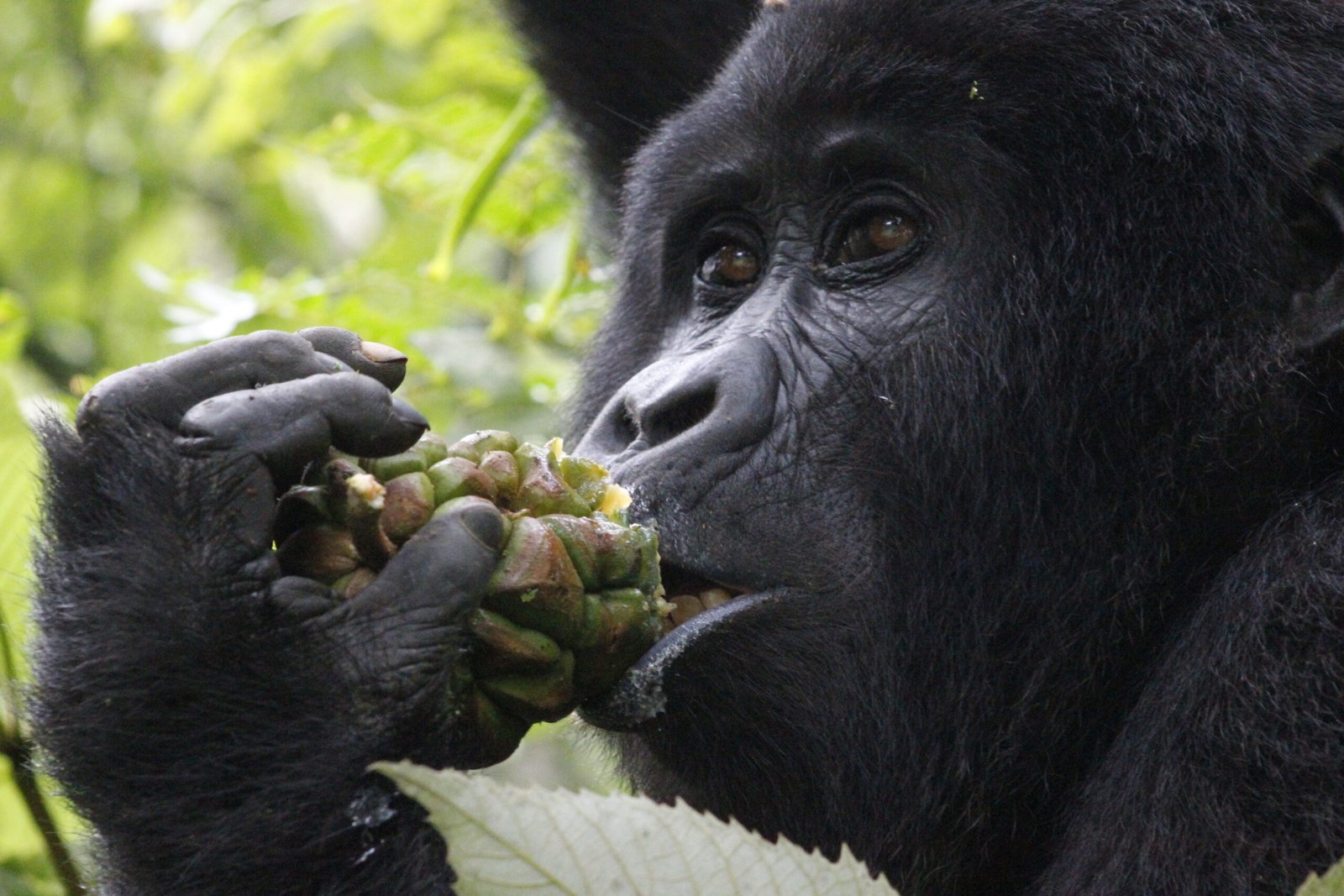
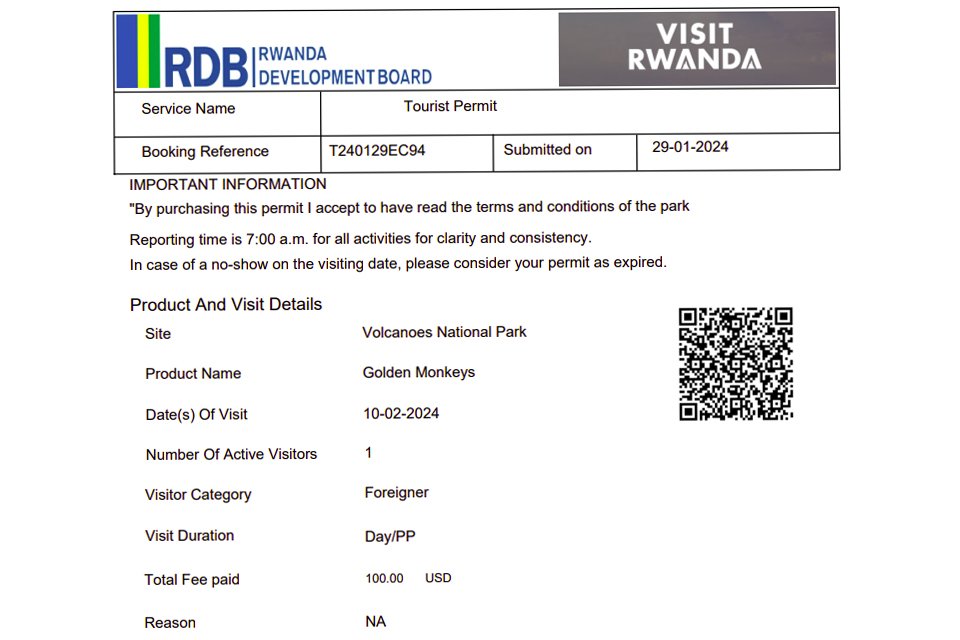
Rwanda’s gorilla permit pricing, currently set at USD 1,500 per person, is among the highest globally. However, this pricing has been deliberately designed to shape a tourism model that prioritizes exclusivity, sustainability, and long-term conservation impact. Rather than focusing on volume, Rwanda positions gorilla trekking as a high-value experience, particularly within Volcanoes National Park. As a result, gorilla trekking in Rwanda has become synonymous with quality, responsibility, and refined travel, even when compared to more affordable alternatives like gorilla trekking in Uganda.
Low-Volume Tourism and Habitat Protection
At the core of Rwanda’s pricing strategy is the principle of low-volume tourism. By maintaining a high permit cost, the number of daily visitors is intentionally limited. Consequently, gorilla habitats are protected from excessive human pressure. Trails are less crowded, forest disturbance is reduced, and gorilla families experience minimal stress. These outcomes are essential for an endangered species whose health is closely tied to environmental stability. In this way, sustainability is reinforced through pricing rather than regulation alone.
Conservation Funding Through Permit Revenue
Another critical benefit of Rwanda’s permit pricing lies in conservation financing. A significant portion of permit revenue is directed toward wildlife protection and research. Ranger salaries, anti-poaching patrols, veterinary care, and long-term monitoring programs are funded through trekking income. Organizations such as Dian Fossey Gorilla Fund and Gorilla Doctors rely heavily on this financial structure. Over time, these investments have contributed to measurable increases in mountain gorilla populations, demonstrating the effectiveness of Rwanda’s approach.
Community Empowerment and Revenue Sharing
In addition to conservation, community development is strongly supported. Through Rwanda’s revenue-sharing scheme, more than ten percent of park income is distributed to surrounding villages. Schools, health centers, water projects, and local infrastructure have been improved as a result. Former poachers have been retrained as rangers, porters, and guides, while others earn livelihoods through tourism-related services. Because tangible benefits are seen at the community level, local support for gorilla protection has been strengthened.
Supporting a World-Class Luxury Safari Ecosystem
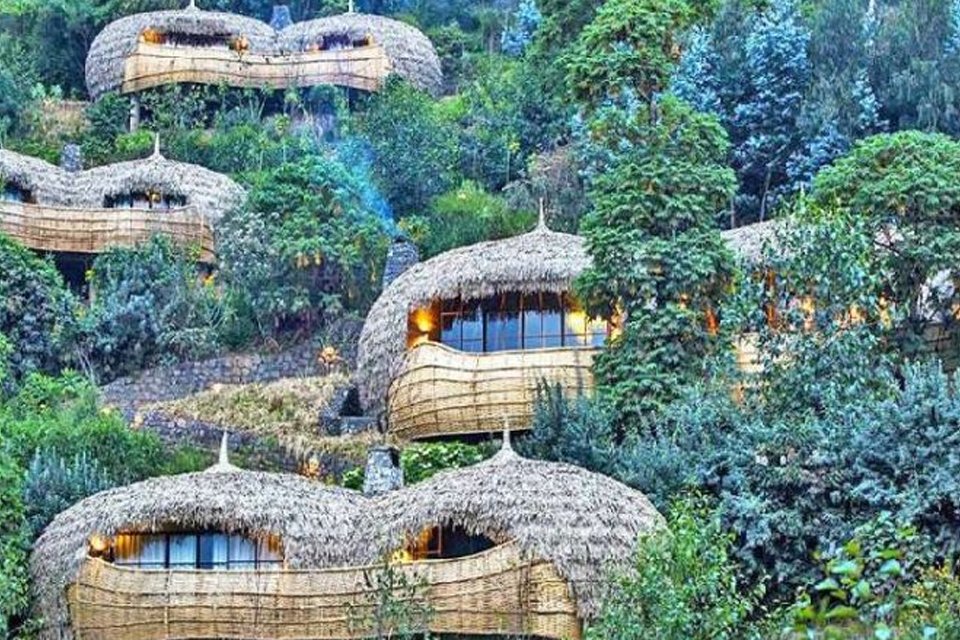
Rwanda’s premium permits have also enabled the growth of a world-class luxury safari sector. High-end lodges have been developed with strong conservation values, offering privacy, architectural innovation, and personalized service. These properties enhance the trekking experience by providing comfort, education, and meaningful engagement with conservation efforts. Therefore, visitors receive value not only during the trek but throughout their entire stay.
Enhanced Visitor Experience and Personalization
Because fewer permits are issued daily, trekking groups remain small and well managed. Visitors are carefully matched to trekking routes based on fitness, interests, and photography needs. This level of personalization is made possible by adequate funding and professional staffing. As a result, the trekking experience feels calm, exclusive, and deeply immersive, which contrasts with more rugged or variable conditions found elsewhere.
Safety, Training, and Global Perception
High permit pricing also supports advanced safety and training systems. Rangers receive continuous professional development, and park operations are managed with precision. Emergency response systems, surveillance technology, and visitor management protocols are consistently maintained. Additionally, Rwanda’s premium positioning has elevated its global reputation as a safe, ethical, and conservation-led destination.
Conclusion: Value Beyond the Price
Although gorilla trekking in Uganda offers outstanding value and rich rainforest experiences, Rwanda appeals to travelers seeking refinement, exclusivity, and maximum conservation impact. The high permit cost is not simply a fee; rather, it is an investment in wildlife protection, community development, and tourism excellence. Ultimately, Rwanda’s pricing model proves that fewer visitors can create greater positive impact, ensuring that gorilla trekking remains sustainable, meaningful, and world class for generations to come.