

















How Rwanda’s Weather Patterns Influence Gorilla Behavior and Sleeping Locations
Rwanda’s Volcanoes National Park sits within a high-altitude tropical climate influenced by the Virunga Mountains, creating distinct weather patterns that significantly shape mountain gorilla behavior and sleeping locations. Understanding how rainfall, temperature, humidity, and seasonal variations affect gorilla movement offers deep insight for travelers preparing for gorilla trekking. While gorilla trekking in Uganda also involves complex weather-driven behaviors—especially within Bwindi Impenetrable Forest—Rwanda’s open bamboo forests and volcanic slopes create a different ecological dynamic.
One of the most notable aspects of Rwanda’s weather is its bimodal rainfall pattern. The long rains occur from March to May and the short rains from October to November. During these wetter months, food sources such as bamboo shoots, wild celery, and thistles flourish. As a result, gorilla families spend more time in mid-elevation zones where vegetation is abundant. This affects sleeping locations: gorillas nest in lower clearings where bamboo stalks are soft, flexible, and plentiful. Trekkers during rainy seasons often find gorilla families in accessible zones close to their previous nesting sites.
During the dry seasons—June to September and December to February—gorilla movement shifts to follow moisture-rich vegetation. As water retains less in the soil, gorillas climb higher elevations where morning mist ensures consistent humidity. These higher zones provide cool sleeping environments protected from the drier air. However, trekking distances may increase slightly during these months, especially for groups located near the slopes of Karisimbi or Bisoke.
Temperature also plays a crucial role. Rwanda’s mornings are cool, with temperatures often ranging between 8°C and 15°C. Gorillas wake between sunrise and early morning hours, beginning their day by feeding on soft vegetation dampened by dew. The cool weather allows them to conserve energy, meaning early-morning trekkers often find gorillas resting or feeding calmly. Compared to gorilla trekking in Uganda, where the dense canopy of Bwindi traps humidity and heat, Rwanda’s cooler temperatures encourage gorillas to remain active longer during the morning hours.
Cloud cover is another major weather factor. Rwanda’s volcanoes frequently trap clouds around their mid-sections, creating misty, atmospheric conditions that influence gorilla nesting choices. Mist helps gorillas stay cool and hydrated, especially during dry months. As a result, gorilla families often select mist-covered bamboo slopes as ideal nest areas. Trekkers sometimes find entire families clustered in these zones, taking advantage of the moisture-retaining environment.
Rainfall also affects gorilla movement speeds. When bamboo forests are wet, the vegetation becomes soft and easier to pull apart, encouraging prolonged feeding sessions. Gorillas move shorter distances on rainy days because nutritional abundance reduces the need to search far for food. In contrast, during dry seasons, gorillas spend more time foraging across wider areas, resulting in more dynamic trekking routes.
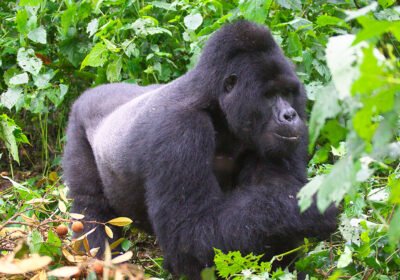
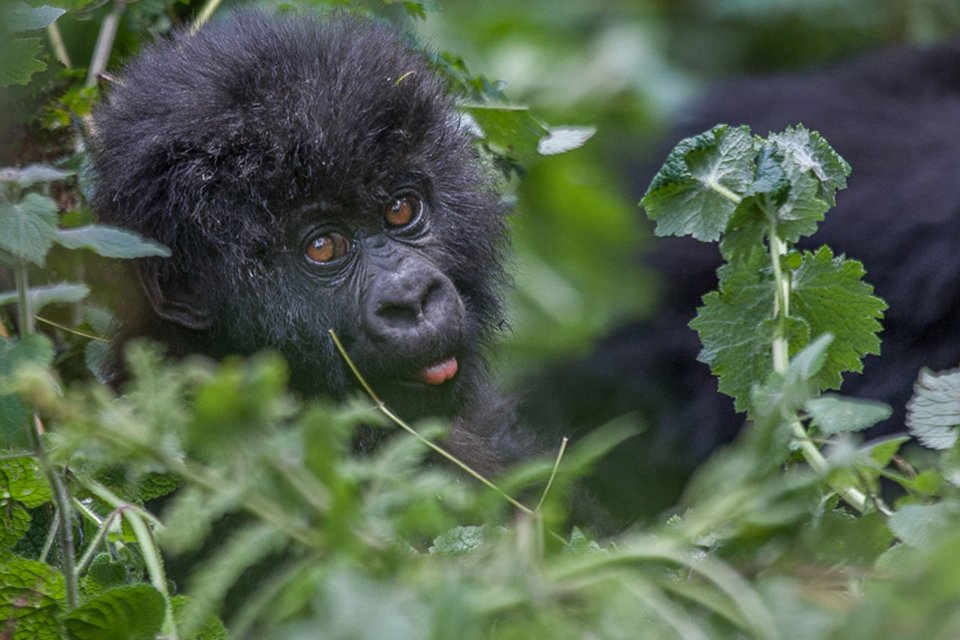
Weather also influences social behavior. During cold, misty mornings, families huddle together for warmth, reinforcing social bonds. Mothers hold infants close, silverbacks stay nearer to the group’s center, and juveniles reduce play activity until the temperature rises. Once the sun breaks through the clouds, juveniles become more active, creating lively scenes that trekkers love to witness.
Sleeping location selection is a key behavior affected by weather. Gorillas build new nests every evening, choosing materials and structural designs based on climate conditions. In wetter months, nests incorporate thicker foliage, multiple layers, and elevated structures that reduce ground moisture exposure. In drier periods, gorillas may nest directly on bamboo beds, using minimal vegetation. Rangers tracking these nests each morning use clues left behind—dung, broken stems, fresh leaves—to determine gorilla movement patterns.
Wind direction also shapes nesting behavior. On exposed volcanic slopes, strong winds may discourage gorillas from nesting in certain areas. Instead, they retreat to sheltered depressions or forest edges that block airflow. This behavior differs from gorilla trekking in Uganda, where Bwindi’s dense canopy provides consistent shelter from wind, reducing the need for gorillas to adjust nesting locations dramatically.
Humidity levels influence grooming and resting habits. On humid days, gorillas spend more time grooming, removing moisture-retaining debris from their fur. This social grooming often becomes a prolonged bonding activity that trekkers find fascinating.
In conclusion, Rwanda’s weather patterns—from rainfall and mist to temperature and cloud cover—play a fundamental role in shaping gorilla behavior, feeding routines, movement patterns, and sleeping locations. Understanding these influences helps trekkers anticipate trekking conditions and enhances appreciation for the adaptability of mountain gorillas. While gorilla trekking in Uganda offers its own rainforest-driven dynamics, Rwanda’s weather-driven gorilla behavior provides uniquely clear, predictable, and compelling wildlife interactions.