How to Choose Between Mgahinga and Bwindi for Trekking Based on Fitness, Scenery, and Price
When planning uganda gorilla trekking, travelers often wonder whether to visit Bwindi Impenetrable National Park or Mgahinga Gorilla National Park. Both parks offer incredible experiences, but each has unique attributes that influence decisions based on fitness levels, scenery preferences, and budget. Choosing between them ensures that your gorilla trekking adventure is both enjoyable and suited to your physical ability and expectations.
Fitness requirements differ between the two parks. Bwindi’s trekking trails vary depending on the sector. Buhoma is generally moderate, suitable for beginners and families, while Nkuringo and Rushaga involve steep climbs and longer treks, ideal for experienced hikers. Mgahinga, by contrast, is smaller and often less physically demanding. Treks are generally shorter, and terrain is more gradual, making it more suitable for travelers with lower fitness levels or those seeking a less strenuous experience. However, Mgahinga also offers options like climbing Mount Muhabura, which can be challenging and requires good stamina.
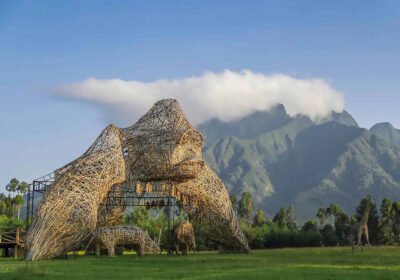
Scenery is another deciding factor. Bwindi is famous for its dense, high-altitude rainforest, misty valleys, and thick vegetation, offering a sense of adventure and immersion in a primary forest ecosystem. Each sector presents unique landscapes: Ruhija features elevated ridges and cool highlands, Rushaga provides deep valleys and secluded forest paths, while Nkuringo offers panoramic viewpoints. Mgahinga, in contrast, is characterized by volcanic landscapes and open grasslands. Trekkers often enjoy the stunning views of the Virunga volcanoes, bamboo forests, and smaller gorilla families. For travelers prioritizing scenic vistas, photography, or volcano trekking, Mgahinga may be the preferred choice, whereas Bwindi excels for dense forest immersion and multiple gorilla family encounters.
Price considerations also play a role. Bwindi is generally more expensive, with higher permit fees reflecting the larger gorilla populations and international demand. Permits range from $700–$1,000 per person, depending on the sector, while Mgahinga permits are slightly lower, typically around $600 per person. Accommodation options also differ, with Bwindi offering a wider range of lodges, from budget to luxury, while Mgahinga is limited but often provides more exclusive, secluded stays. For travelers on a tighter budget or seeking a less crowded experience, Mgahinga can offer a high-quality alternative at a slightly lower cost.
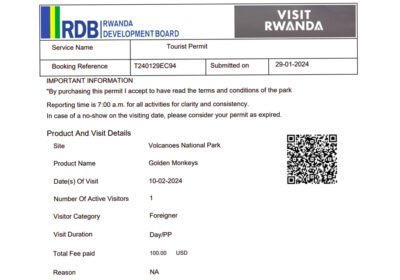
Wildlife diversity and trekking experience further influence choice. Bwindi supports larger gorilla families and a higher probability of encounters due to habituation programs, making it ideal for first-time trekkers and photography enthusiasts. Mgahinga, although home to smaller groups, offers a more intimate trekking experience, often with fewer tourists, allowing for tranquil encounters and easier observation of gorilla behavior in a quieter environment. The smaller size of Mgahinga also allows visitors to combine gorilla trekking with other activities, such as golden monkey tracking or birdwatching, within a single day.
Accessibility is a practical consideration. Bwindi is reachable via road transfers from Kampala or Entebbe or by domestic flights to Kisoro or Kihihi airstrips. Some sectors require 4×4 vehicles, especially during the wet season. Mgahinga is closer to Kisoro and requires shorter road transfers, making it convenient for travelers combining gorilla trekking with other southwestern Uganda adventures.
In conclusion, choosing between Bwindi and Mgahinga for gorilla trekking in Uganda depends on fitness, scenery preferences, and budget. Bwindi is ideal for those seeking dense rainforest immersion, multiple gorilla families, and challenging treks, while Mgahinga suits travelers looking for volcanic landscapes, shorter treks, and lower costs. Considering these factors ensures a fulfilling and tailored wildlife experience.