




Insider Tips on Photographing Mountain Gorillas in Dense Bwindi Forest Using Low-Light Techniques
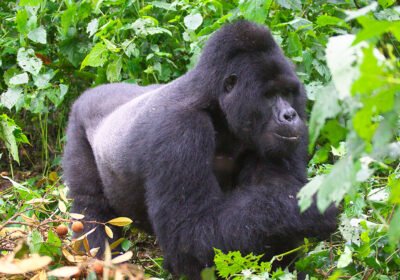
Photographing mountain gorillas in Bwindi Impenetrable National Park is one of the most rewarding yet challenging experiences for wildlife photographers. The dense vegetation, shifting light, high humidity, and constant movement of gorillas demand skill, patience, and the right equipment. Since uganda gorilla trekking happens deep inside a rainforest, photographers must adapt to low-light conditions, unpredictable angles, and limited shooting space.
But with the right techniques, gorilla photography becomes magical—capturing expressive eyes, powerful silverbacks, tender family interactions, and dramatic forest textures. This guide offers insider strategies to help you take exceptional gorilla photographs during your gorilla trekking in Uganda adventure.
1. Understand the Lighting Conditions in Bwindi
Bwindi is a high-altitude rainforest with thick canopy cover. This means:
- Light is soft but limited.
- Shadows shift rapidly.
- Direct sunlight is rare inside the forest.
- Mist and fog can appear suddenly.
- Dark green vegetation absorbs light.
Expect lighting similar to indoor photography rather than bright safari photography. Your goal is to maximize available light and stabilize your camera for darker environments.
2. Choose the Right Camera and Lenses
Your gear plays a major role in producing high-quality images. Consider the following equipment:
a. Camera Body
Select a camera with excellent high-ISO performance, such as:
- Mirrorless full-frame bodies
- Modern DSLR full-frame cameras
These handle low light far better than smaller sensors.
b. Lenses
The ideal gorilla photography lens is fast, sharp, and versatile.
Recommended lenses:
- 24–70mm f/2.8 → Most useful for close encounters
- 70–200mm f/2.8 → Perfect for portraits and distance shots
- Prime lenses 35mm or 50mm f/1.8 or f/1.4 → Ideal for extreme low-light conditions
Avoid extremely long telephoto lenses because gorillas are usually within 7–10 meters.
3. Use High ISO Without Fear
Low light means you must raise your ISO. Many photographers worry about noise, but modern cameras handle ISO 3200–6400 remarkably well. When doing gorilla trekking in Uganda, sharpness matters more than noise.
Essential ISO Tips:
- Aim for ISO 1600–5000 depending on cloud cover.
- Raise ISO instead of reducing shutter speed too much.
- Shoot RAW to reduce noise during post-processing.
4. Use Fast Shutter Speeds for Gorilla Movement
Gorillas may sit still for a moment and suddenly shift positions. Young gorillas move quickly, play, and climb. A slow shutter speed causes motion blur.
Ideal shutter speeds:
- 1/250–1/500 sec → For adult gorillas
- 1/500–1/800 sec → For juveniles and active subjects
- 1/125 sec → When adults are resting and light is very low
Adjust your shutter speed depending on activity and available light.
5. Aperture Settings for Forest Photography
Use wide apertures to let in more light and separate the gorillas from the dense background.
Ideal apertures:
- f/2.8 → Best for low light and beautiful depth of field
- f/3.5–f/4 → Good balance for multiple gorillas in focus
- f/5.6 → Only when light conditions improve
Wide apertures soften distracting leaves and vines, drawing attention to the gorilla’s eyes.
6. Stabilize Your Camera
Stability is critical in low-light environments. While tripods are not allowed during uganda gorilla trekking, you can still stabilize your shots.
How to stabilize your camera:
- Use your knee as support when squatting.
- Lean against a tree trunk.
- Hold the camera close to your chest.
- Use a monopod (allowed and highly recommended).
- Activate in-body or lens stabilization if available.
Stabilization helps maintain sharpness when using slow shutter speeds.
7. Focus on Eyes and Facial Expressions
Gorillas have deeply expressive eyes that tell powerful emotional stories. Prioritize capturing:
- The silverback’s confident, dominant gaze
- Tender mother-infant interactions
- Curious juveniles staring at the camera
- Calm resting moments beneath the canopy
Use single-point autofocus to ensure sharp focus on the eyes, not the surrounding vegetation.
8. Work With Your Ranger and Maintain Distance
Rangers guide you to the best angles while maintaining safety and comfort for the gorillas. They understand gorilla behavior and can help you anticipate movement.
Remember:
- You must stay at least 7 meters away.
- Move slowly and quietly.
- Never stand above a gorilla—lower your angle for intimate shots.
Rangers also help clear a small window through foliage, giving photographers cleaner mouth, face, and body shots.
9. Prepare for Tough Forest Conditions
Bwindi’s terrain affects photography. Expect:
- Muddy ground
- Slippery slopes
- Thick vegetation
- Humidity fogging your lens
- Occasional rain
Solutions:
- Carry a microfiber cloth to constantly wipe your lens.
- Use a rain cover for your camera.
- Bring extra batteries (cold forest air drains them faster).
- Store equipment in a waterproof bag.
10. Composition Tips for Stunning Gorilla Images
Great photos require more than just correct settings. Think about composition:
- Use leaves as natural frames.
- Capture family interaction rather than isolated individuals.
- Include the forest atmosphere in wide-angle shots.
- Get low to the ground for dramatic eye-level imagery.
- Try silhouette-style shots during misty moments.
Each gorilla family encounter offers different artistic opportunities.
11. Make the Most of Your One Hour
Photographers only get one hour with the gorillas. Use it wisely.
Strategies:
- Don’t spend too long reviewing shots.
- Change angles and positions gradually.
- Anticipate behavior—gorillas repeat actions.
- Keep your camera ready even as you move.
Success depends on preparation, awareness, and quick adjustments.
Conclusion
Photographing mountain gorillas in Bwindi requires technical skills, quick decision-making, and creativity. Low-light conditions are challenging, but with the right gear and techniques, you can capture extraordinary images that reflect the emotion, power, and intimacy of gorilla trekking in Uganda. From mastering ISO settings to stabilizing your shots and focusing on expressive eyes, these insider tips ensure you leave Bwindi with remarkable photographs that preserve one of the most unforgettable wildlife encounters on Earth.