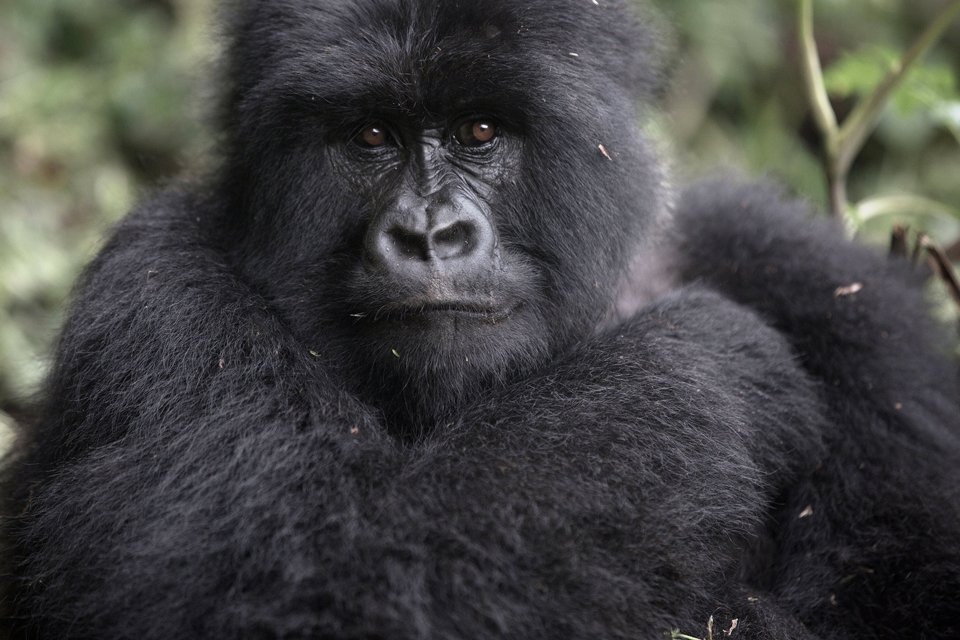
Gishwati–Mukura National Park is Rwanda’s newest national park and one of the country’s most inspiring conservation success stories. For wildlife safari travelers looking to go beyond traditional Rwanda gorilla trekking, the park offers a rare opportunity to explore a recovering forest ecosystem where conservation, community involvement, and biodiversity restoration work hand in hand. Rather than focusing on iconic species alone, Gishwati–Mukura highlights the long-term process of healing landscapes and rebuilding wildlife habitats.
Location and Historical Background
Situated in northwestern Rwanda between Lake Kivu and Volcanoes National Park, Gishwati–Mukura occupies a strategic ecological corridor. For decades, however, this area suffered from extensive deforestation caused by human settlement, agricultural expansion, and livestock grazing. Forest cover was dramatically reduced, biodiversity declined, and water systems were disrupted. In response, large-scale restoration programs were introduced, and the area was eventually gazetted as a national park. Through sustained effort, forest regeneration was encouraged, habitats were restored, and ecological balance gradually began to return.
A Different Kind of Safari Experience
Unlike Volcanoes National Park or Nyungwe Forest National Park, Gishwati–Mukura is not centered on a single flagship species such as mountain gorillas or large chimpanzee populations. Instead, it offers a broader ecological safari experience that emphasizes forest regeneration, primate diversity, birdlife, and guided nature exploration. This approach makes the park especially appealing to travelers who have already enjoyed gorilla trekking safaris and now wish to deepen their understanding of Rwanda’s diverse landscapes and conservation strategies.
Wildlife and Biodiversity Recovery
The park protects a mosaic of habitats, including montane rainforest, grassland patches, wetlands, and river systems. These environments support a growing range of wildlife species. Visitors may encounter chimpanzees, several monkey species, small mammals, and an impressive variety of birds, many of which are indicators of ecosystem recovery. Wildlife populations are being closely monitored, and their gradual return has been documented as restoration efforts continue. Guided walks and tracking activities are designed to be educational, ensuring that visitors learn how ecosystems recover and why long-term protection is essential.
Community Engagement and Sustainable Tourism
Equally important to Gishwati–Mukura’s success is its strong community focus. Surrounding communities are actively involved in conservation and tourism initiatives, benefiting from employment opportunities, education programs, and sustainable livelihood projects. Tourism revenue is shared through community development schemes, helping fund schools, healthcare access, and conservation awareness. As a result, local support for forest protection has been strengthened, and pressure on natural resources has been reduced. This inclusive model ensures that conservation benefits extend beyond park boundaries.
Why Gishwati–Mukura Matters
For safari travelers, visiting Gishwati–Mukura creates a meaningful connection between nature protection and human well-being. The park demonstrates that conservation is not only about preserving wildlife but also about restoring landscapes and empowering communities. While gorilla trekking in Rwanda delivers powerful, emotional encounters, Gishwati–Mukura provides insight into the behind-the-scenes work that makes such experiences sustainable.
Conclusion: Recovery, Resilience, and Hope
In summary, Gishwati–Mukura National Park is ideal for travelers seeking a quieter, conservation-driven safari experience. It complements Rwanda gorilla trekking by showcasing another side of the country’s wildlife story—one focused on recovery, resilience, and long-term hope. For visitors interested in understanding how damaged ecosystems can be restored through commitment and collaboration, Gishwati–Mukura stands as a powerful and inspiring destination.