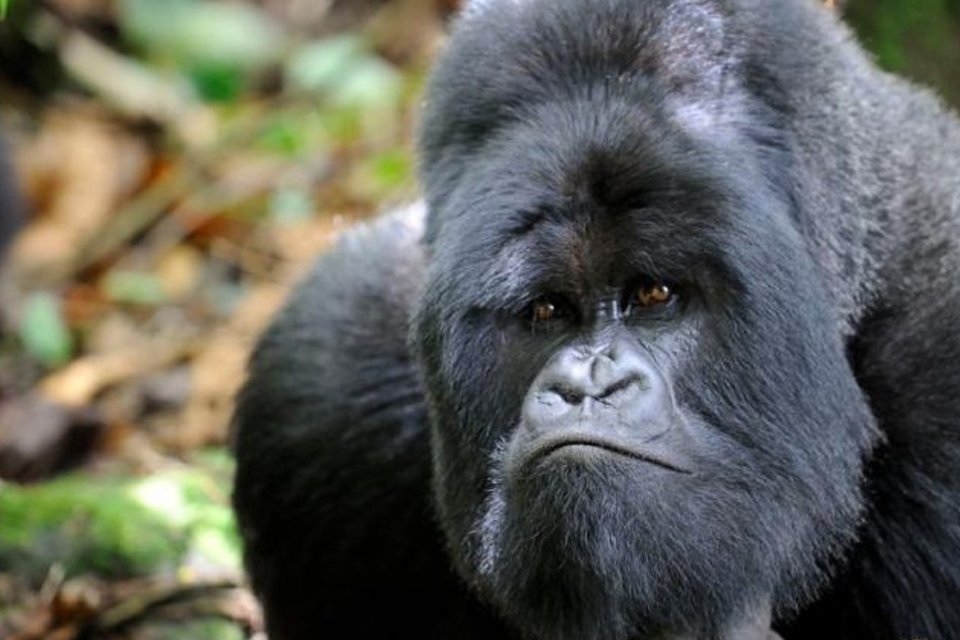
The gorilla habituation experience in Bwindi Impenetrable National Park offers one of Africa’s most immersive wildlife encounters. Unlike standard gorilla trekking in Uganda, which allows one hour with fully habituated families, this experience grants up to four hours with semi-wild groups still adapting to human presence. Extended observation transforms Uganda gorilla trekking into a conservation-centered journey rather than a brief wildlife sighting.
Conservation Purpose and Research Involvement
The habituation experience was introduced to support long-term conservation goals while deepening visitor engagement. Participants accompany researchers, trackers, and rangers as gorilla behavior and social patterns are carefully observed. Feeding routines, territorial movements, and group dynamics are studied in real time. Through this process, gorilla trekking in Uganda becomes an educational exploration of how wild gorillas gradually tolerate human observers without losing natural instincts.
Raw and Unpredictable Encounters
One defining element of the habituation experience is its raw and unpredictable character. Semi-habituated gorillas may shift locations frequently or respond cautiously to nearby observers. Alert vocalizations and protective behaviors are sometimes displayed more visibly than in fully habituated groups. This authenticity creates a powerful wildlife encounter that attracts repeat travelers, conservation enthusiasts, and serious photographers. Uganda gorilla trekking at this level feels participatory and deeply immersive.
Briefing and Ethical Guidelines
The day begins early with a detailed briefing at the park headquarters. Safety procedures, conservation objectives, and behavior expectations are clearly explained before entering the forest. Strict gorilla trekking rules are reinforced, including maintaining distance and minimizing noise. Ethical standards are upheld carefully to ensure that gorilla trekking in Uganda remains respectful and non-invasive.
Physical Demands of the Experience
Trekking during habituation is often more demanding than standard gorilla trekking experiences. Because these gorillas are not fully accustomed to daily visits, wider forest ranges may be covered. Longer hikes through dense vegetation, steep slopes, and uneven terrain are frequently required. Physical stamina and patience are needed, yet extraordinary rewards are gained through prolonged wildlife observation.
Extended Behavioral Observation
Four hours with gorillas allow subtle social dynamics to be witnessed in meaningful detail. Visitors observe feeding cycles, resting intervals, maternal bonding, playful interactions, and dominance reinforcement behaviors. Communication signals and group hierarchies are studied naturally without interruption. Uganda gorilla trekking becomes an in-depth learning experience rooted in behavioral science and conservation awareness.
Photography Opportunities
Photography benefits greatly from the extended duration of the habituation encounter. Photographers can wait patiently for optimal light and composition without feeling rushed. Flash photography remains prohibited to protect the gorillas’ wellbeing. Greater flexibility is provided for capturing authentic forest moments and natural expressions. Gorilla trekking in Uganda through habituation is therefore highly valued by documentary creators and wildlife professionals.
Conservation Impact and Permit Structure
Revenue generated from habituation permits directly supports conservation research and ranger patrol programs. Veterinary interventions and community initiatives are funded through this higher-level participation. A small number of visitors are permitted daily to minimize stress on gorilla groups. Careful visitor management ensures both ethical wildlife protection and high-quality encounters.
Emotional and Transformative Impact
Spending several hours with mountain gorillas often leaves a profound emotional impression on participants. Deeper connection, respect, and responsibility toward wildlife are frequently expressed after the experience. Appreciation for gorilla intelligence, vulnerability, and social complexity is strengthened meaningfully.
Conclusion
The gorilla habituation experience in Bwindi represents the most immersive form of gorilla trekking in Uganda. Extended time, authentic behavior, and direct conservation involvement combine to create a rare wildlife opportunity. For travelers seeking depth, education, and lasting impact, Uganda gorilla trekking through habituation offers an unparalleled and transformative adventure.