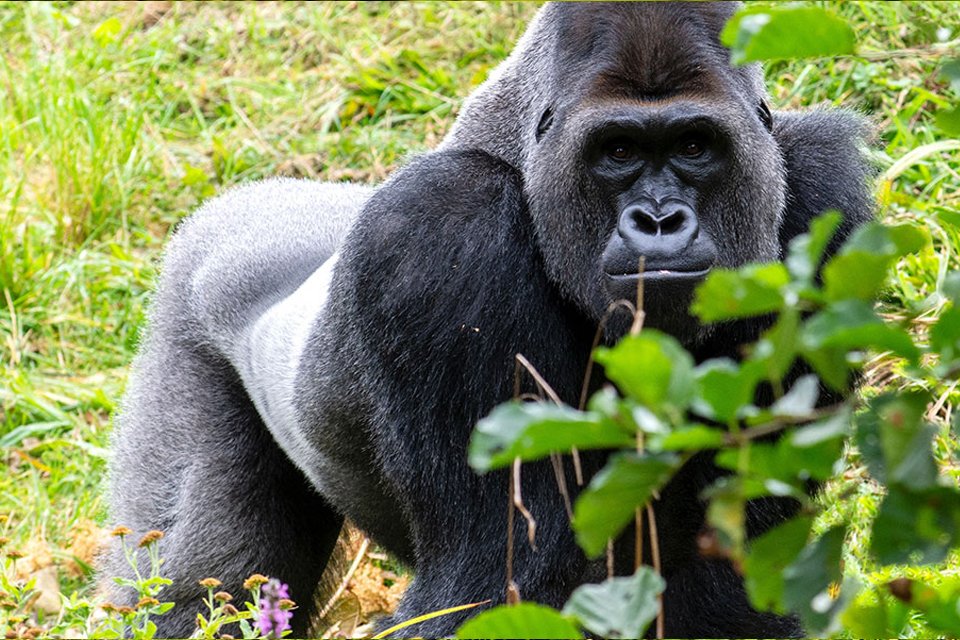
Preparing the correct packing list is an essential part of planning gorilla trekking in Uganda, particularly within the demanding environment of Bwindi Impenetrable National Park. Because the forest is dense, the terrain is steep, and weather conditions can change quickly, careful preparation is required. When the right items are packed, discomfort is reduced, safety is enhanced, and the overall experience becomes far more enjoyable. As a result, uganda gorilla trekking feels rewarding rather than exhausting.
Clothing for Protection and Comfort
To begin with, clothing choices should focus on protection and practicality. Long-sleeved shirts and long trousers are strongly recommended, as they protect against thorns, nettles, and biting insects. In addition, neutral and earth-toned colors should be worn, since bright colors can disturb wildlife and attract insects. Lightweight and breathable fabrics are preferred because humidity is common in Bwindi. Furthermore, clothing that dries quickly is especially useful, as rain may be encountered even during drier months. By dressing appropriately, comfort is maintained throughout gorilla trekking in Uganda.
Footwear and Trail Stability
Equally important, proper footwear is essential for navigating Bwindi’s rugged trails. Waterproof hiking boots with strong ankle support are highly recommended, because paths are often muddy, slippery, and uneven. Since steep ascents and descents are frequently encountered, balance and stability are improved when quality boots are worn. Ideally, boots should be broken in before travel, ensuring that blisters and discomfort are avoided during uganda gorilla trekking.
Rain Gear and Weather Readiness
In addition to clothing and footwear, rain protection must be included. Bwindi receives rainfall throughout the year, so a lightweight waterproof jacket or poncho should be packed. Moreover, waterproof covers for backpacks and cameras are advised to protect valuables. Because gorilla trekking in Uganda continues even during rainfall, being prepared for wet conditions ensures that sudden showers do not diminish the experience.
Useful Accessories for Dense Forest Conditions
Furthermore, small accessories can make a significant difference. Lightweight trekking gloves or gardening gloves are useful, as hands are often used to push through thick vegetation. Similarly, gaiters help prevent mud, water, and insects from entering boots, particularly during rainy seasons. Although these items may seem optional, trekking comfort is noticeably improved when they are used.
Daypack Essentials and Hydration
A small daypack is another necessity during gorilla trekking. Inside it, sufficient drinking water should be carried to stay hydrated, especially because trekking can be physically demanding. Energy snacks, sunscreen, insect repellent, and personal medications should also be included. Even though much of the trek occurs under forest canopy, sun exposure can still occur in open areas. Therefore, hydration and protection should never be overlooked during uganda gorilla trekking.
Photography Equipment and Protection
Photography preparation is also important. A camera with a good zoom lens allows detailed images without approaching the gorillas too closely. Flash photography is strictly prohibited and must be disabled in advance. Extra batteries and memory cards should be carried, since opportunities for photography are plentiful. To prevent damage, camera equipment should be protected using waterproof bags.
Health, Hygiene, and Responsible Trekking
Health and hygiene items play a critical role in responsible gorilla trekking in Uganda. Hand sanitizer, tissues, and personal hygiene supplies should be packed. Visitors who feel unwell may be advised not to trek, as gorillas are highly vulnerable to human illnesses. Consequently, personal health is closely linked to conservation efforts and ethical tourism.
Trekking Poles and Additional Support
Trekking poles can also be extremely helpful, especially on steep or muddy sections. Extra balance is provided, and pressure on knees is reduced during descents. While poles can often be rented at park headquarters, some travelers prefer bringing their own for familiarity and comfort.
Travel Documents and Organization
Finally, important documents must be kept secure and accessible. A valid passport and gorilla trekking permit are required on trekking day and are checked during the morning briefing. These documents should be stored in a waterproof pouch to prevent damage and delays.
Conclusion: Preparedness Enhances the Experience
In conclusion, thoughtful packing significantly enhances safety, comfort, and enjoyment during gorilla trekking in Uganda. Bwindi’s forest environment is challenging but deeply rewarding. With the right clothing, equipment, and preparation, travelers can focus entirely on the extraordinary experience of observing mountain gorillas in their natural habitat, confident that they are fully prepared for one of Africa’s most remarkable wildlife encounters.