Login to use
9 Days Rwanda Gorilla, Chimpanzee & Savannah Safari
Location
Duration
Home You might also like… Check availability
You may check out all the available trips and book one that suits you.
Continue Browsing TripsDiscover Africa’s most iconic wildlife encounter with premium gorilla safaris in Uganda and Rwanda—crafted for travelers who seek depth, beauty, and unforgettable adventure..
40 years trusted, 100% money protected.
400 trips, guided & self-guided, across 100 countries.
100% carbon offset. We care for nature and communities.
Lorem ipsum dolor sit amet consectetur. Vitae blandit eu etiam urna odio risus maecenas mauris.
Welcome to the heart of African conservation and luxury wilderness travel. Travelmonke Tours specializes in crafting exclusive, tailor-made gorilla trekking safaris to the two premier destinations on Earth: Uganda and Rwanda. These neighboring nations share the unique responsibility of protecting the world’s remaining mountain gorilla population, and the privilege of tracking these critically endangered great apes is undoubtedly the highlight of any African journey.
Whether you choose the unparalleled accessibility and luxury of Gorilla Trekking Rwanda in the misty Virunga Volcanoes, or the authentic, diverse Gorilla Safaris Uganda experience in the dense, impenetrable forests of Bwindi, our commitment is to provide a seamless, high-end experience. We blend world-class hospitality, expert local guides, and top-tier lodges to ensure your gorilla trekking safari is a deeply personal and life-changing encounter.
It has survived not only five centuries, but also the leap
Various versions have evolved over the years
If you are going to use a passage of lorem Ipsum
Lorem ipsum dolor sit amet consectetur
Get started with handpicked top rated trips.
Login to use
Location
Duration
Home You might also like… Check availability
Login to use
Location
Duration
Home You might also like… Check availability
Login to use
Location
Duration
Home You might also like… Check availability
Login to use
Location
The 12-Day Luxury Gorillas, Wildlife & Nile Adventure...
Login to use
Location
Duration
The 10-Day Ultimate Uganda Primate & Wildlife Circuit...
Login to use
Location
Duration
This 8-Day Gorillas, Wildlife & Culture Uganda Safari...
Login to use
Location
Duration
The 7-Day Kibale, Bwindi and Mgahinga Primates of...
Login to use
Location
Duration
This 6-Day Gorillas, Chimps and Wilderness Uganda Safari...
Login to use
Location
Duration
This 5-Day Double Gorilla Trek Uganda Safari is...
Login to use
Location
Duration
The 3-Day Classic Bwindi Gorilla Trek is a...
Login to use
Location
Duration
The 3-Day Gorilla Habituation Experience in Rushaga offers...
Login to use
Location
Duration
Discover London's most essential sights and landmarks in...
Login to use
Location
Duration
This 4-day Gorilla Trekking and Queen Elizabeth National...
Login to use
Location
Duration
Discover London's most essential sights and landmarks in...
Login to use
Location
Duration
This 2 Days Uganda Gorilla Trekking Safari is...
Login to use
Login to use
Login to use
Login to use
Login to use
Login to use
Login to use
Login to use
Explore world’s top destinations
Gorilla safaris Uganda offer an intimate and unforgettable animal encounter in a country famously dubbed “the Pearl of Africa” by Winston Churchill. Uganda boasts a spectacular array of landscapes, from snow-capped mountains and savannas to lush swampland and impenetrable forests, all nurtured by a tropical climate. The primary destination for gorilla trekking is the renowned Bwindi Impenetrable National Park, located in the southwest, where over half of the world’s remaining mountain gorillas reside.
The core experience involves trekking over mountainous, forested terrain, sometimes for hours, to spend a strictly limited 60 minutes with a mountain gorilla family. These moments spent observing these gentle, intelligent, and endangered creatures interacting with each other are truly life-changing and redefine what it means to be on safari.
A full Uganda safari itinerary offers far more than just primate encounters. Arriving at Entebbe airport, visitors can embark on a journey that encompasses the best of the diverse parks, which are low on crowds and big on drama. Beyond gorilla trekking in Uganda, you can explore remote, unspoilt parks teeming with East Africa’s famed big game, such as lion, elephant, and buffalo.
Key highlights include tracking chimpanzees in Kibale, witnessing tree-climbing lions in Queen Elizabeth National Park, or seeing the Nile River plunge through a ravine at Murchison Falls.
Our gorilla safari vacations are tailormade and can be easily combined with more traditional safaris in countries like Kenya and Tanzania.
Get started with handpicked top rated trips.
Login to use
Location
Duration
This 4 Days Rwanda Gorilla Trekking & Golden...
Login to use
Location
Duration
This 4 Days Rwanda Gorilla Trekking & Golden...
Login to use
Location
Duration
Home You might also like… Check availability
Login to use
Login to use
Login to use
Login to use
Login to use
Login to use
Login to use
Login to use
Explore world’s top destinations
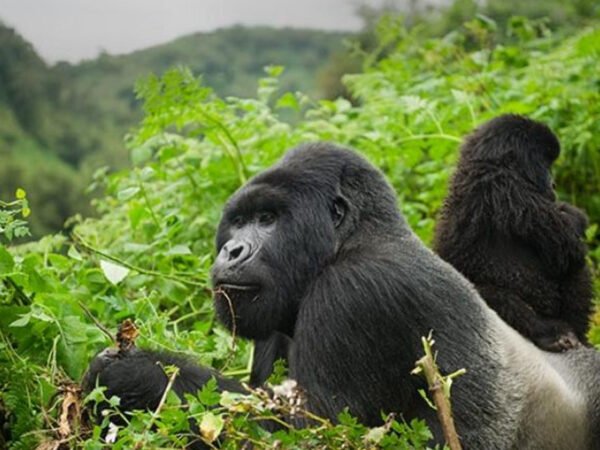
Rwanda stands out as a premier destination for gorilla trekking safaris, setting the stage for one of the world’s most exclusive wildlife experiences. The journey takes place within the magnificent Volcanoes National Park, where the gentle slopes of the Virunga Volcanoes offer a lush, misty haven. Rwanda is entrusted with protecting over half of the world’s remaining mountain gorilla population, making the viewing of these rare and regal creatures the definitive reason travelers visit.
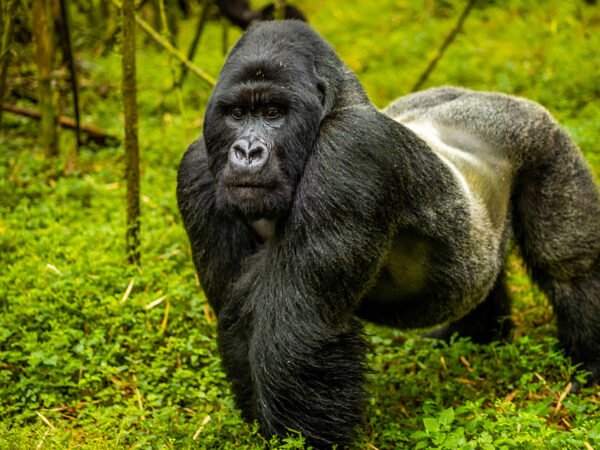
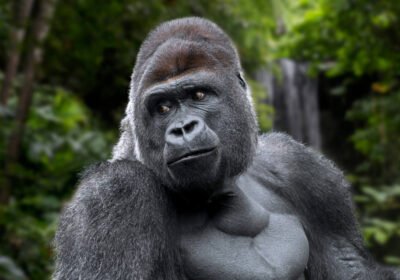
A Rwanda safari with Travelmonke Tours is an immersive, deeply personal journey. You’ll be tracking these great apes—including the dominant silverbacks and playful infants—with the support of expert trackers and naturalist guides. Beyond gorilla trekking, Rwanda is superb for general primate tracking, including sightings of the golden monkeys in Volcanoes National Park and chimpanzees in Nyungwe Forest.
We handle every detail of your journey, including arranging mandatory gorilla-trekking permits and securing stays in Rwanda’s most elegant luxury lodges. From seamless planning and private transport to the expertise of your local guides, we ensure your gorilla trekking Safaris in Rwanda experience is not just a trip, but a life-changing African safari adventure.
Connecting your journey with purpose
Have more questions? Contact us.
Our top gorilla safaris focus on luxury and exclusivity, combining the quintessential gorilla trekking safaris experience with premium accommodation. Our flagship itineraries include the 9-Day Uganda Ultra-Luxury Signature Safari (featuring Bwindi and the Big 5) and the 4-Day Ultimate Rwanda Gorilla Experience, staying at lodges like Bisate or Clouds Mountain. These are truly the top gorilla safaris available, designed for discerning travelers.
The best time of year to book a gorilla trekking safari in Uganda and Rwanda largely depends on weather conditions, permit availability, trekking difficulty, and your overall travel style. Both countries lie along the equator, meaning gorilla trekking is possible year-round, but certain months offer better hiking conditions, clearer photography opportunities, and a more comfortable safari experience. Whether you are planning gorilla trekking safaris in Uganda or a luxury Rwanda gorilla trekking safari, timing plays a key role in securing permits and enjoying a seamless adventure.
In general, the dry seasons are considered the best months for gorilla trekking tours in Uganda and Rwanda, while the wet seasons offer lower costs and fewer crowds for travelers seeking value-driven gorilla safaris.
Best Time to Go Gorilla Trekking in Uganda
Uganda is home to Bwindi Impenetrable National Park and Mgahinga Gorilla National Park, two of Africa’s most iconic destinations for Uganda gorilla trekking safaris.
Best Months (Dry Season)
June to September
December to February
These months are widely regarded as the best time to book a gorilla trekking safari in Uganda. Trails in Bwindi and Mgahinga are drier and less slippery, making the hikes more manageable. Wildlife photography conditions are excellent, and access roads to lodges are easier to navigate. This period is especially popular for luxury gorilla trekking safaris in Uganda and combined Uganda safari and gorilla trekking tours.
Low Season (Wet Months)
March to May
October to November
During the rainy season, gorilla trekking is still available, but hikes can be more challenging due to muddy terrain. However, this is the best time for discounted gorilla trekking safaris in Uganda, with fewer visitors and greater lodge availability. Budget travelers and photographers who enjoy lush forest scenery often prefer this season.
Best Time to Go Gorilla Trekking in Rwanda
Rwanda’s gorilla trekking takes place exclusively in Volcanoes National Park, making it one of Africa’s most accessible and high-end gorilla trekking destinations.
Best Months (Dry Season)
June to September
December to February
These months offer the best conditions for Rwanda gorilla trekking safaris, with easier hiking, better visibility, and shorter trekking times on average. This period is ideal for travelers booking luxury gorilla trekking safaris in Rwanda, honeymoon experiences, or short high-end gorilla tours from Kigali.
Green Season (Rainy Months)
March to May
October to November
Although rainfall increases, gorilla sightings remain guaranteed. The green season offers a quieter park experience and is suitable for travelers seeking exclusivity and photography opportunities. Some travelers choose this period to combine Rwanda gorilla trekking tours with Lake Kivu or cultural experiences at a slower pace.
Peak Season vs. Low Season Gorilla Trekking Safaris
| Season | Best For | Key Advantages |
|---|---|---|
| Peak Season (Dry Months) | Luxury & first-time trekkers | Easier hikes, better weather, high lodge standards |
| Low Season (Wet Months) | Budget & repeat travelers | Fewer crowds, discounted safari packages, lush scenery |
Regardless of the season, both Uganda and Rwanda gorilla trekking safaris offer a 98%+ success rate in finding gorilla families.
When Should You Book Gorilla Trekking Permits?
To secure your preferred travel dates, the best time to book gorilla trekking permits is:
6–12 months in advance for peak season
3–6 months in advance for low season
This is especially important for Bwindi gorilla permits and Rwanda gorilla trekking permits, which are limited daily and often sell out quickly during peak months.
Final Thoughts: Choosing the Right Time for Your Gorilla Trekking Safari
The best time of year to book a gorilla trekking safari ultimately depends on your budget, comfort preferences, and travel goals. If you want the easiest trekking conditions and premium lodge experiences, the dry seasons are ideal. If you prefer fewer crowds and better safari deals, the rainy seasons still deliver exceptional gorilla encounters.
Whether you are planning gorilla trekking safaris in Uganda, a Rwanda luxury gorilla trekking tour, or a combined Uganda and Rwanda gorilla safari, careful timing ensures an unforgettable, once-in-a-lifetime experience with Africa’s mountain gorillas.
When planning gorilla trekking safaris in Uganda and Rwanda, one of the most common questions travellers ask is how far in advance they need to book gorilla trekking permits. Because gorilla permits are limited and in high demand—especially during peak tourism seasons—it’s crucial to secure your permits as early as possible to avoid disappointment.
For Uganda gorilla trekking safaris, permits are strictly managed by the Uganda Wildlife Authority (UWA), and there are only a set number available each day for key destinations like Bwindi Impenetrable National Park and Mgahinga Gorilla National Park. Similarly, in Rwanda gorilla trekking tours, permits are allocated by the Rwanda Development Board (RDB) for treks in Volcanoes National Park. Both countries cap the number of daily permits, meaning they can sell out months ahead of time.
As a general guideline:
Book your gorilla trekking permits at least 3–6 months in advance for travel during the high season (June-September and December-February). These months attract the largest numbers of travellers seeking gorilla encounters on their Uganda and Rwanda safaris.
For shoulder season travel (March-May & October-November), booking 2–4 months ahead is recommended to ensure availability.
Even during the low season, it’s safest to secure permits 1–3 months prior to your departure date, especially if you have specific trekking dates or group travel plans.
Keep in mind that gorilla trekking permits for Uganda and Rwanda can sell out quickly, particularly for popular dates like holiday periods and long weekends. Planning early gives you the best chance of locking in your preferred dates for this once-in-a-lifetime wildlife experience.
Tip: When booking a gorilla safari in Uganda or Rwanda, work with a reliable safari operator who can reserve your gorilla permits well in advance and coordinate all logistics, including park fees, guide arrangements, accommodation, and transfer services.
The minimum age requirement for gorilla trekking in Uganda and Rwanda is 15 years. This rule is strictly enforced by the Uganda Wildlife Authority (UWA) for gorilla trekking in Bwindi Impenetrable National Park and Mgahinga Gorilla National Park, as well as by the Rwanda Development Board (RDB) for gorilla trekking in Volcanoes National Park. No exceptions are made, even if a child is close to turning 15.
This age restriction applies to all gorilla trekking safaris in Uganda and Rwanda, including luxury gorilla safaris, midrange gorilla tours, and budget gorilla trekking packages. Gorilla trekking permits are only issued to travelers who are 15 years and above on the actual trekking date, not at the time of booking.
Why Is the Minimum Age for Gorilla Trekking Set at 15 Years?
The minimum age limit for gorilla trekking is in place for conservation, safety, and health reasons. Mountain gorillas share over 98% of their DNA with humans, making them highly vulnerable to human diseases. Younger children are more likely to carry contagious illnesses such as flu or colds, which can easily be transmitted to gorillas during close encounters on a gorilla trek.
Additionally, gorilla trekking in Uganda and Rwanda can be physically demanding. Treks may involve hiking through steep, muddy, and densely forested terrain for several hours. Children under 15 may struggle to complete the trek safely or may react unpredictably if gorillas charge, move suddenly, or vocalize—situations that require calm and controlled behavior at all times.
Does the Age Requirement Apply to Both Uganda and Rwanda Gorilla Trekking?
Yes. The minimum age for gorilla trekking in Uganda and Rwanda is the same—15 years.
Uganda Gorilla Trekking Age Limit: 15 years and above
(Bwindi Impenetrable National Park & Mgahinga Gorilla National Park)
Rwanda Gorilla Trekking Age Limit: 15 years and above
(Volcanoes National Park)
Whether you are booking a Uganda gorilla safari, a Rwanda luxury gorilla trekking experience, or a combined Uganda–Rwanda gorilla tour, the age rule remains unchanged across both destinations.
Can Children Under 15 Join Gorilla Safari Trips?
While children under 15 cannot participate in gorilla trekking, they can still join a gorilla safari holiday in Uganda or Rwanda and enjoy alternative activities. Many families opt for family-friendly safari experiences while parents or older siblings go gorilla trekking.
Popular alternatives include:
Game drives in Queen Elizabeth National Park or Murchison Falls National Park
Boat safaris on the Kazinga Channel or the River Nile
Nature walks and cultural experiences near Bwindi or Volcanoes National Park
Golden monkey tracking (age limits may vary)
This makes it possible to design family-friendly gorilla safari itineraries that balance wildlife experiences for all age groups.
Age Verification for Gorilla Trekking Permits
During your gorilla trekking safari in Uganda or Rwanda, park authorities may request passport verification to confirm age before issuing trekking clearance. If a traveler is found to be underage on the trekking day, they will be denied access to the gorillas with no refund of the gorilla permit.
For this reason, it is essential to work with a professional operator when booking gorilla trekking tours in Uganda and Rwanda, ensuring all permit requirements are correctly met in advance.
Planning Your Gorilla Trekking Safari
Understanding the minimum age requirement for gorilla trekking is a key part of planning a successful gorilla trekking safari in Uganda or Rwanda. Whether you are considering luxury gorilla trekking in Rwanda, budget gorilla safaris in Uganda, or a combined East Africa gorilla tour, proper age compliance ensures a smooth, stress-free experience.
If you are traveling as a family or group with mixed ages, a customized itinerary can easily combine gorilla trekking with other unforgettable wildlife and cultural experiences across Uganda and Rwanda.
Yes — gorilla trekking safaris in Uganda and Rwanda can be perfectly combined with classic African wildlife safaris, creating a once-in-a-lifetime journey that blends primate encounters, Big Five game drives, boat safaris, birding, and cultural experiences into one seamless adventure. Uganda and Rwanda are uniquely positioned to offer this combination within short travel distances, making them some of the best destinations in Africa for multi-experience safaris.
A combined gorilla trekking safari allows travelers to track endangered mountain gorillas in the misty rainforests of Bwindi Impenetrable National Park, Mgahinga Gorilla National Park, or Volcanoes National Park, then continue to open savannah parks for traditional wildlife viewing. This pairing delivers the ultimate Africa safari experience — raw, emotional, and richly diverse.
Uganda Gorilla Trekking & Wildlife Safari Combinations
Uganda gorilla trekking safaris are among the most diverse in Africa, offering exceptional value and variety. After your gorilla trek in Bwindi Impenetrable Forest, you can seamlessly continue your Uganda wildlife safari to top parks including:
Queen Elizabeth National Park – Famous for tree-climbing lions, Kazinga Channel boat cruises, and classic game drives
Murchison Falls National Park – Big Five wildlife, Nile boat safaris, dramatic waterfalls, and vast savannahs
Kibale Forest National Park – World-class chimpanzee trekking and primate experiences
Lake Mburo National Park – Ideal for walking safaris, zebras, and birding
This makes Uganda one of the best destinations for gorilla trekking and safari holidays, Uganda gorilla and wildlife safaris, and affordable combined gorilla trekking tours.
Rwanda Gorilla Trekking & Big Game Safaris
Rwanda gorilla trekking safaris in Volcanoes National Park pair beautifully with wildlife experiences in Akagera National Park, Rwanda’s premier savannah reserve. Here, travelers enjoy Big Five game drives, boat safaris on Lake Ihema, and luxury conservation-focused lodges — all within a short drive from Kigali.
Rwanda is ideal for travelers seeking luxury gorilla trekking safaris, short high-end safari combinations, and exclusive private gorilla trekking experiences with minimal travel time.
Why Combine Gorilla Trekking with a Wildlife Safari?
Combining gorilla trekking with other safaris offers unmatched depth and value:
See mountain gorillas and classic African wildlife in one trip
Maximize your safari experience without repeating destinations
Perfect for honeymoon safaris, family adventures, photographers, and luxury travelers
Flexible itineraries ranging from budget to ultra-luxury
Year-round travel opportunities in Uganda and Rwanda
Whether you’re planning a gorilla trekking and Big Five safari, Uganda and Rwanda gorilla safari combo, or a custom private safari, this combination delivers the very best of East Africa.
Popular Gorilla Trekking & Safari Combinations
Gorilla Trekking + Big Five Game Drives
Gorilla Trekking + Chimpanzee Tracking
Gorilla Trekking + Boat Safaris on the Nile or Kazinga Channel
Gorilla Trekking + Birding Safaris
Gorilla Trekking + Cultural & Community Experiences
Start Planning Your Gorilla Trekking Safari
From luxury gorilla trekking safaris in Rwanda to budget-friendly Uganda gorilla and wildlife safaris, we design fully customized itineraries tailored to your travel style, pace, and interests. Our expert guides, handpicked lodges, and seamless logistics ensure your gorilla trekking safari in Uganda and Rwanda is unforgettable from start to finish.
Talk to our safari experts today and start planning your ultimate gorilla trekking and wildlife safari in Africa.
A luxury gorilla trekking safari with Travelmonke Tours is defined by exclusivity, seamless comfort, and deeply personal encounters with mountain gorillas in the wild heart of Africa. We curate high-end gorilla trekking safaris in Uganda and Rwanda that go far beyond seeing gorillas—each journey is crafted around privacy, expert guiding, refined accommodations, and effortless logistics. From the mist-covered forests of Bwindi Impenetrable National Park and Mgahinga Gorilla National Park in Uganda to the dramatic volcanic slopes of Volcanoes National Park in Rwanda, Travelmonke Tours delivers an elevated gorilla trekking experience designed for discerning travelers.
Luxury begins with priority access to gorilla permits, handpicked luxury safari lodges, and personalized itineraries tailored to your pace and interests. Guests enjoy stays at world-class properties such as intimate forest lodges, exclusive eco-luxury retreats, and premium boutique camps offering private verandas, spa treatments, fine dining, and breathtaking forest views. Whether you choose a Rwanda luxury gorilla trekking safari or an immersive Uganda luxury gorilla trek, every detail—from private transfers and charter flights to porter arrangements and park briefings—is expertly handled.
What truly sets Travelmonke Tours apart is our commitment to meaningful, ethical, and sustainable gorilla trekking safaris. We work closely with local communities and conservation partners to ensure that your luxury gorilla safari in Uganda or Rwanda supports wildlife protection while delivering once-in-a-lifetime encounters. Expert local guides, trackers, and naturalists provide in-depth interpretation, ensuring your time with the gorillas is intimate, respectful, and unforgettable.
For travelers seeking the finest gorilla trekking tours in Uganda and Rwanda, Travelmonke Tours offers a rare balance of adventure and indulgence. Whether combined with chimpanzee tracking, Big Five safaris, helicopter transfers, or exclusive photographic experiences, our luxury gorilla safaris are crafted for honeymooners, photographers, solo travelers, and high-end adventure seekers who expect nothing less than exceptional.
Travelmonke Tours—where luxury meets authenticity on the ultimate gorilla trekking safari in Africa.
Gorilla trekking in Rwanda takes place in Volcanoes National Park, a world-renowned conservation area located in the north-western region of Rwanda, along the borders of Uganda and the Democratic Republic of Congo. This iconic park is part of the greater Virunga Conservation Area, a chain of ancient volcanic mountains that form the last stronghold of the endangered mountain gorillas in East Africa. For travelers seeking an intimate, high-quality Rwanda gorilla trekking safari, Volcanoes National Park is the country’s only and most exclusive gorilla trekking destination.
Volcanoes National Park lies just 2.5 to 3 hours’ drive from Kigali International Airport, making Rwanda one of the most accessible gorilla trekking destinations in Africa. This ease of access has earned Rwanda its reputation as the home of luxury gorilla trekking safaris, allowing visitors to move seamlessly from international arrival to lush rainforest terrain in a single day. The park’s dramatic landscape of mist-covered volcanoes, bamboo forests, and montane rainforest creates a breathtaking setting for once-in-a-lifetime gorilla trekking tours in Rwanda.
Gorilla Trekking Areas Inside Volcanoes National Park
All Rwanda gorilla trekking experiences are conducted within Volcanoes National Park, where several habituated gorilla families are carefully monitored and protected by Rwanda Development Board (RDB) rangers. Treks take place across different sectors of the park, depending on gorilla movements, terrain, and visitor fitness levels. Each trek is guided by expert trackers, ensuring a safe, ethical, and deeply immersive mountain gorilla trekking experience in Rwanda.
Volcanoes National Park is home to famous gorilla families such as Sabyinyo, Amahoro, Agashya, Susa, and Kwitonda, offering visitors a variety of trekking options—from gentle hikes to more challenging rainforest climbs. This diversity makes gorilla trekking safaris in Rwanda suitable for luxury travelers, photographers, adventure seekers, and first-time Africa safari guests alike.
Why Volcanoes National Park Is Rwanda’s Gorilla Trekking Hub
What sets Rwanda gorilla trekking apart is the country’s strong conservation model, excellent guiding standards, and premium tourism infrastructure. Volcanoes National Park is surrounded by some of Africa’s finest luxury gorilla lodges, allowing guests to enjoy exceptional comfort before and after their trek. Combined with strict permit regulations and limited daily visitor numbers, Rwanda offers a high-end, low-impact gorilla trekking safari that prioritizes both guest experience and gorilla conservation.
Whether you are planning a short Rwanda gorilla trekking tour, a luxury gorilla safari in Volcanoes National Park, or a combined primate and wildlife itinerary, all gorilla encounters in Rwanda happen in this extraordinary park—making it the heart and soul of Rwanda’s gorilla tourism.
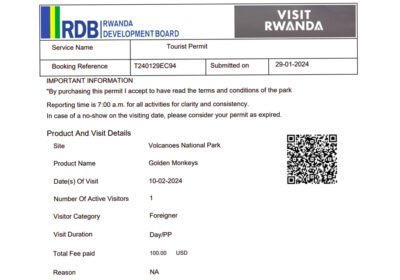
Gorilla trekking in Rwanda is one of Africa’s most inspiring wildlife experiences and a highlight for many visitors seeking Rwanda gorilla safaris, gorilla trekking safaris in Rwanda, or mountain gorilla tours in Rwanda. The Rwanda gorilla trekking permit currently costs USD 1,500 per person per trek, and this fee applies to all international tourists who want to trek mountain gorillas in Volcanoes National Park, the only place in Rwanda where these rare primates can be tracked in the wild. This permit fee is set by the Rwanda Development Board (RDB), and a single permit allows you one unforgettable trek and a magical hour spent observing a habituated gorilla family in its natural habitat.
What the Rwanda Gorilla Trekking Permit Includes
The cost of a gorilla trekking permit in Rwanda covers a number of essential services needed to support a smooth and safe trekking experience. This typically includes professional park guides, trackers who locate the gorilla family ahead of the trek, park entrance fees, and your one hour of viewing time with the gorillas. Throughout your trek, you will be accompanied by expert guides and armed rangers for your safety and to ensure minimal impact on the mountain gorillas and the forest ecosystem.
Why Rwanda Gorilla Trekking Permits Are Expensive
At first glance, the price of gorilla trekking permits in Rwanda may seem high, but the cost plays a vital role in mountain gorilla conservation and community development. A significant portion of the fee goes directly toward protecting endangered gorillas, supporting anti-poaching patrols, habitat preservation, and community projects around the park. By purchasing a permit, visitors contribute to sustainable conservation efforts and support local livelihoods, making Rwanda gorilla trekking tours an ethical and responsible travel choice.
Permit Discounts and Special Rates
While the standard gorilla trekking permit costs USD 1,500, Rwanda occasionally offers promotional or discounted permit rates for certain traveler categories or during special tourism campaigns. There are also discounts for East African residents and Rwandan nationals. For accurate pricing and updates, it’s best to book your Rwanda gorilla trekking safari package through a trusted tour operator who will ensure you have verified pricing, availability, and up-to-date discounts.
Booking Your Gorilla Trekking Permit in Rwanda
Gorilla permits in Rwanda are limited and highly sought after, especially in peak seasons of June to September and December to February. For the best chance of obtaining permits, travelers planning gorilla trekking safaris in Rwanda should secure their permits several months in advance. Most tour operators include permit booking in their Rwanda gorilla safari packages, which allows you to enjoy fully planned gorilla trekking holidays without the stress of logistics.
One of the most common questions travelers ask when planning gorilla trekking safaris in Rwanda is simple but important: how long does the actual trek take? The honest answer is that there is no fixed duration. The length of a Rwanda gorilla trekking safari varies from one group to another, from one day to the next, and from one gorilla family to another. What remains constant, however, is the extraordinary reward at the end of the walk—an unforgettable face-to-face encounter with endangered mountain gorillas in their natural habitat.
Gorilla trekking in Rwanda takes place in Volcanoes National Park, a dramatic landscape of mist-covered volcanoes, bamboo forests, and dense montane vegetation. The terrain is natural and wild, which means the trek duration depends largely on where the gorilla family nested the previous night and how far they have moved by the time trackers locate them in the morning.
Average Duration of a Gorilla Trek in Rwanda
On average, the actual trekking time during a Rwanda gorilla safari ranges between 1 and 4 hours of walking, one way. In some fortunate cases, travelers may reach their assigned gorilla family in as little as 30 to 60 minutes, especially if the gorillas are feeding close to the park boundary. On other days, the trek can extend to 5 or even 6 hours, particularly for gorilla families that range higher up the volcanic slopes.
It is important to understand that this walking time refers only to the hike to reach the gorillas. Once you find them, you are allowed a strictly regulated one-hour encounter, which is included in all gorilla trekking safaris in Rwanda. This hour often feels timeless as you observe the gorillas feeding, grooming, playing, and interacting just meters away.
What Determines How Long the Gorilla Trek Will Be?
The length of a gorilla trekking Rwanda experience is influenced by several natural factors. Gorilla families are wild animals and move freely through the forest in search of food. Their location on any given day depends on weather conditions, food availability, and their previous night’s nesting site. Trackers head into the forest very early each morning to locate them, but even with expert tracking, the walking distance can vary significantly.
Another key factor is altitude. Volcanoes National Park sits at a high elevation, and some gorilla families live on the lower slopes while others inhabit higher, steeper terrain. Treks at higher altitudes tend to be longer and more physically demanding, though they are equally rewarding. This natural variation is part of what makes Rwanda gorilla trekking safaris feel authentic and adventurous.
Is Gorilla Trekking in Rwanda Difficult?
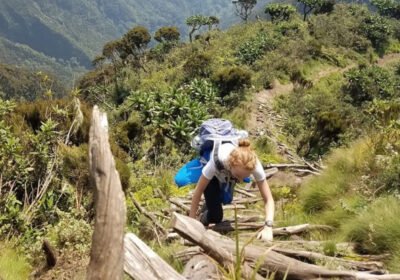
While Rwanda is often considered the most accessible destination for gorilla trekking in Africa, the trek is still a genuine forest hike. Expect uneven ground, muddy sections, thick vegetation, and occasional steep climbs. The good news is that Rwanda’s park authorities are highly organized, and visitors are grouped based on fitness levels whenever possible. This means travelers seeking a shorter and gentler trek can often be allocated to gorilla families that range closer to the park edge.
For those concerned about endurance, porters are readily available and highly recommended. Hiring a porter not only makes the trek easier but also supports local communities around Volcanoes National Park, adding a meaningful social impact to your gorilla trekking safari in Rwanda.
Total Time Spent on a Gorilla Trekking Day
When planning your itinerary, it helps to look at the entire trekking day rather than just the walking time. Most Rwanda gorilla trekking safaris begin early in the morning with a briefing at the park headquarters. After group allocation and instructions from rangers, you drive to the trailhead and begin the trek. From start to finish—including briefing, trekking, the one-hour gorilla encounter, and the return walk—the entire experience usually lasts between 4 and 8 hours.
This flexible timeframe allows you to enjoy the experience without rushing. Even if the trek is long, the anticipation builds with every step, and the moment you first see the gorillas makes every minute worthwhile.
Why Trek Duration Shouldn’t Worry You
Many first-time visitors worry about how long the trek will be, but in reality, the length is part of the magic. Whether short or long, gorilla trekking safaris in Rwanda are carefully guided, well paced, and supported by experienced rangers who prioritize safety and comfort. You are encouraged to walk at your own pace, take breaks when needed, and fully immerse yourself in the forest environment.
More importantly, there is no such thing as a “bad” gorilla trek. Every trek ends with one of the most powerful wildlife encounters on earth—an intimate hour with mountain gorillas in the wild. For most travelers, the time spent walking fades quickly, while the memory of the encounter lasts a lifetime.
Final Thoughts for Rwanda Gorilla Trekking Travelers
So, how long is the actual trek during a gorilla trekking Rwanda safari? It can be short, moderate, or long—but it is always worth it. The unpredictability is part of the experience, and it is precisely what makes gorilla trekking safaris in Rwanda feel authentic, exclusive, and deeply rewarding. When you plan your journey, focus less on the hours walked and more on the extraordinary privilege of sharing a moment with one of the world’s most endangered and awe-inspiring species.
If you are dreaming of a life-changing wildlife experience, Rwanda gorilla trekking delivers—step by step, moment by moment, and memory by memory.
Gorilla trekking in Rwanda is widely regarded as the most accessible and straightforward way to see mountain gorillas in Africa, especially for first-time travelers, luxury safari guests, and visitors with limited time. From seamless international access and short transfer times to well-organized trekking logistics and high-end accommodation close to the park, Rwanda gorilla trekking safaris are designed for comfort, efficiency, and ease—without compromising the authenticity of the wildlife experience. This combination has positioned Rwanda as a top choice for travelers seeking a smooth, premium gorilla trekking safari in Africa.
Exceptional Accessibility via Kigali International Airport
One of the biggest reasons gorilla trekking Rwanda is considered highly accessible is the country’s compact size and efficient transport network. International travelers arrive through Kigali International Airport and can reach Volcanoes National Park in just 2.5 to 3 hours by road. This short transfer allows guests to land in the morning and still enjoy a relaxed afternoon in the gorilla trekking region the same day—something rarely possible elsewhere in the region.
Unlike destinations that require internal flights or long, rugged drives, Rwanda gorilla trekking safaris from Kigali are smooth and time-efficient. Well-paved roads, scenic countryside, and reliable ground handling make transfers comfortable for families, older travelers, and luxury safari clients alike. This ease of access is a major advantage for travelers planning short gorilla trekking holidays or combining gorilla trekking with business or city stays.
Volcanoes National Park: Compact, Organized, and Visitor-Friendly
Volcanoes National Park is one of the most visitor-friendly gorilla trekking destinations in Africa. The park is relatively compact, with clearly designated trekking sectors and a highly coordinated ranger and tracker system. This organization reduces waiting times, streamlines briefings, and ensures trekkers are efficiently assigned to gorilla families based on fitness levels and preferences.
Because of the park’s size and trail layout, Rwanda gorilla trekking routes often involve less time navigating dense, lowland rainforest compared to some alternatives. While gorilla trekking is never guaranteed to be easy, Rwanda offers a higher likelihood of shorter and more predictable trekking durations, making it ideal for travelers concerned about physical demands.
Well-Developed Trekking Infrastructure and Professional Guiding
Rwanda is globally recognized for its conservation-led tourism model, and this is reflected in the quality of its gorilla trekking operations. Daily treks are led by highly trained rangers and trackers who monitor gorilla movements in advance, increasing the efficiency of each trek. Clear safety protocols, structured briefings, and well-maintained trail access all contribute to a smooth and reassuring experience.
For travelers new to gorilla trekking safaris in Rwanda, this professionalism significantly reduces uncertainty and stress. The park authority carefully manages visitor numbers, enforces trekking rules, and maintains excellent communication, ensuring every trek is safe, ethical, and well coordinated.
Luxury Lodges Located Close to Trekking Starting Points
Another factor that makes gorilla trekking Rwanda exceptionally accessible is the concentration of high-end lodges located just minutes from the park headquarters. These lodges minimize early-morning travel, allowing guests to enjoy relaxed breakfasts and quick transfers to trekking briefings. This proximity is especially valuable for luxury travelers and photographers who want maximum comfort before and after their trek.
Many Rwanda luxury gorilla trekking lodges offer porters, private guides, spa treatments, and personalized services that make the overall experience physically and mentally easier. For travelers who value comfort, accessibility, and refined hospitality, Rwanda delivers one of Africa’s most seamless gorilla trekking environments.
Predictable Trekking Conditions and Clear Fitness Matching
Rwanda’s gorilla trekking system is known for its effective fitness-based group allocation. During morning briefings, park officials assess each guest’s physical ability and assign them to gorilla families accordingly. This thoughtful approach increases the likelihood of an enjoyable trek and minimizes unnecessary strain, particularly for older travelers or those with limited hiking experience.
The terrain in Volcanoes National Park is volcanic and mountainous, but the structured trail network and efficient tracking often result in shorter hiking distances than many expect. This predictability makes Rwanda an attractive option for travelers seeking an accessible gorilla trekking safari without sacrificing encounter quality.
Ideal for Short Trips and First-Time Gorilla Trekkers
Because of its easy access, short transfers, and organized operations, Rwanda gorilla trekking is ideal for travelers on tight schedules. Many visitors complete a full gorilla trekking experience in just two or three days, making Rwanda perfect for long weekend safaris, luxury stopovers, or combined East Africa itineraries.
For first-time gorilla trekkers, Rwanda offers clarity, structure, and reassurance. The clear communication, efficient logistics, and high standards across accommodation and guiding help travelers focus on the magic of the encounter rather than the complexity of the journey.
Rwanda vs Uganda: Why Rwanda Feels More Accessible
While gorilla trekking in Uganda offers excellent value and diverse trekking regions, Rwanda is often perceived as more accessible due to its shorter travel times, centralized trekking location, and higher-end infrastructure. Rwanda’s premium pricing model supports conservation while delivering a streamlined experience that appeals strongly to luxury and first-time travelers.
For guests comparing Rwanda vs Uganda gorilla trekking, Rwanda stands out for ease, speed, and polish—especially for those prioritizing comfort and efficiency over budget.
The Most Seamless Gorilla Trekking Experience in Africa
In summary, gorilla trekking Rwanda is considered the most accessible option because it combines fast international access, short road transfers, organized park operations, predictable trekking logistics, and luxury accommodation close to the action. Whether you are a first-time gorilla trekker, a luxury safari traveler, or someone with limited time, Rwanda offers a refined, reliable, and deeply rewarding mountain gorilla experience.
For travelers seeking a stress-free gorilla trekking safari in Rwanda, few destinations in Africa match the country’s ease, professionalism, and unforgettable wildlife encounters.
When you book gorilla trekking safaris in Rwanda and Uganda, you are doing far more than planning a once-in-a-lifetime wildlife experience. Your journey becomes a meaningful investment in mountain gorilla conservation, habitat protection, and community empowerment across East Africa. Every gorilla trekking permit, safari package, and guided experience is carefully structured to ensure that tourism directly funds the survival of one of the world’s most endangered primates—the mountain gorilla—while also supporting the people who live alongside them.
Gorilla trekking in Rwanda and Uganda is globally recognised as one of the most successful conservation tourism models. The controlled, low-impact nature of gorilla safaris ensures that tourism protects wildlife rather than threatening it. By choosing ethical gorilla trekking safaris in Rwanda and Uganda, you actively contribute to a system where conservation and tourism work hand in hand.
Gorilla Trekking Permits: The Backbone of Conservation Funding
A significant portion of the cost of gorilla trekking permits in Rwanda and Uganda goes directly into conservation funding. These permits finance the daily protection of gorilla families living in Volcanoes National Park, Bwindi Impenetrable National Park, and Mgahinga Gorilla National Park. This funding supports ranger patrols, veterinary interventions, scientific research, and habitat preservation.
Mountain gorillas require constant monitoring to ensure they remain healthy and safe from threats such as poaching, disease transmission, and habitat encroachment. Revenue from gorilla safaris enables governments and conservation bodies to employ and train rangers, trackers, and conservation scientists who work on the front lines every day. Without responsible gorilla tourism, these long-term conservation efforts would be nearly impossible to sustain.
Protecting Mountain Gorillas Through Responsible Tourism
Your booking supports a strict conservation model that limits the number of visitors allowed to see each gorilla family per day. This carefully managed approach ensures that gorilla trekking in Rwanda and Uganda remains low-impact, reducing stress on the gorillas and preserving their natural behaviours. Small group sizes, regulated trekking hours, and strict trekking rules are all funded and enforced through tourism revenue.
By participating in a regulated gorilla trekking safari, you help maintain this balance between access and protection. The result is one of the few conservation success stories in Africa, where mountain gorilla populations have slowly increased due to sustained protection and funding from eco-conscious travelers like you.
Supporting Local Communities Living Alongside Gorilla Habitats
One of the most powerful conservation impacts of booking gorilla safaris in Rwanda and Uganda is community involvement. A portion of gorilla trekking revenue is shared directly with local communities living near national parks. These funds support schools, health centres, clean water projects, and sustainable livelihoods that reduce dependence on forest resources.
When local communities benefit from gorilla tourism, they become active partners in conservation. Your safari booking helps create employment opportunities for guides, porters, lodge staff, artisans, and drivers, ensuring that conservation brings real economic value to people’s lives. This shared benefit model is a cornerstone of long-term gorilla protection and one of the reasons gorilla trekking tourism is so successful in East Africa.
Conservation Education and Awareness Through Gorilla Safaris
Gorilla trekking safaris are also a powerful tool for global conservation awareness. Visitors who trek gorillas in Rwanda and Uganda leave with a deeper understanding of wildlife conservation, biodiversity protection, and responsible travel. This awareness extends beyond the safari itself, inspiring long-term support for conservation initiatives worldwide.
Your experience contributes to conservation storytelling—sharing the importance of protecting mountain gorillas and their forest habitats. Ethical gorilla trekking tours transform visitors into conservation ambassadors who help amplify the importance of preserving Africa’s natural heritage for future generations.
Sustainable Safari Operations and Eco-Friendly Practices
Responsible safari operators play a crucial role in conservation. When you book a professionally guided gorilla trekking safari in Rwanda or Uganda, you support eco-conscious operations that prioritise sustainability, fair wages, and environmental protection. From low-impact lodges to waste management and reduced carbon footprints, your safari choice reinforces best practices in sustainable tourism.
These responsible tourism models ensure that gorilla trekking remains viable for decades to come, safeguarding both wildlife and wilderness while delivering authentic, meaningful travel experiences.
Why Your Gorilla Safari Booking Truly Matters
Booking gorilla trekking safaris in Rwanda and Uganda is not just travel—it is conservation in action. Your journey helps fund ranger protection, preserves ancient rainforests, supports local communities, and ensures the long-term survival of mountain gorillas in their natural habitat. Every permit purchased and every safari organised strengthens a conservation system that has already made a global impact.
When you choose ethical gorilla trekking experiences, you become part of a powerful conservation story—one where tourism protects wildlife, empowers communities, and preserves Africa’s most iconic species for generations to come.
The mountain gorilla (Gorilla beringei beringei) is currently classified as Endangered on the global conservation scale used by the IUCN Red List of Threatened Species. This is important: “Endangered” does not mean the species is safe—it means mountain gorillas still face a high risk of extinction if protection weakens, disease outbreaks occur, or habitat pressure increases. (Berggorilla & Regenwald Direkthilfe e.V.)
This Endangered status reflects a rare conservation success: decades of daily protection, ranger patrols, veterinary care, and carefully managed gorilla trekking in Rwanda and Uganda helped the population grow enough to be downlisted from Critically Endangered to Endangered in 2018. But the recovery is described as fragile and highly dependent on continuous conservation funding and strict protection. (WWF Madagascar)
How many mountain gorillas are left?
The most widely cited confirmed total (from the latest completed surveys) is 1,063 mountain gorillas worldwide, based on combining the Bwindi–Sarambwe count (Uganda) and the Virunga Massif count (Rwanda/Uganda/DRC). In Bwindi–Sarambwe, the 2018 census estimated 459 individuals, and the Virunga census (2015–2016) recorded 604, producing the global total of 1,063. (WWF Uganda)
A new census effort has also been launched in 2025 in the Bwindi–Sarambwe landscape to update figures and track changes in group composition, habitat pressure, and other key conservation indicators—so the global total may be updated when the current survey results are officially released. (WWF Uganda)
Where mountain gorillas live (and where gorilla trekking happens)
Mountain gorillas survive in only two isolated populations, which is one reason the species remains Endangered even as numbers rise.
One population lives in the Virunga Massif, a transboundary area that supports gorilla trekking in Rwanda at Volcanoes National Park, and also connects to gorilla habitat in Uganda and eastern DRC. (Virunga National Park)
The second population lives in Uganda’s Bwindi–Sarambwe ecosystem, which powers world-famous Uganda gorilla trekking experiences (especially Bwindi Impenetrable National Park) and supports long-term monitoring and protection. (WWF Uganda)
For travelers, this is why gorilla trekking safaris in Rwanda and Uganda matter so much: these parks are not just tourism highlights—they are the mountain gorilla’s last strongholds.
Why the mountain gorilla is still Endangered (even after recovery)
Mountain gorillas have made a comeback, but they remain vulnerable because their habitat is small, surrounded by people, and exposed to multiple high-risk threats.
One major reason is restricted range: even with improved numbers, mountain gorillas live in a limited area, so a single major threat (like disease or regional instability) can impact a large part of the population quickly. (Berggorilla & Regenwald Direkthilfe e.V.)
Another serious pressure is human-driven habitat and disturbance risk around park borders. As populations grow, space becomes a challenge, and conservation must balance community needs with protecting gorilla forest corridors. (The Guardian)
Mountain gorillas are also highly sensitive to human diseases (because they are closely related to us), which is one reason trekking rules are strict—distance, time limits, and health protocols exist to protect the gorillas, not to inconvenience visitors. (The Guardian)
In parts of the wider Virunga landscape, conflict and insecurity can create additional conservation pressure, making protection more complex and costly. (Reuters)
How gorilla trekking in Rwanda and Uganda supports mountain gorilla conservation
Well-managed tourism is one of the strongest reasons mountain gorillas have survived. Revenue from trekking permits supports core conservation needs—ranger patrols, park operations, monitoring, and community benefits that reduce reliance on activities that can harm wildlife habitat.
This is why choosing a responsible operator and booking legitimate permits is more than a trip detail—it’s part of the conservation model that keeps mountain gorillas protected. Recent reporting and conservation updates continue to highlight tourism and community benefit-sharing as key pieces of the gorilla recovery story. (AP News)
If you’re planning gorilla trekking safaris in Rwanda and Uganda, you’re not only chasing a once-in-a-lifetime wildlife encounter—you’re supporting one of Africa’s most important conservation success stories. The mountain gorilla is Endangered, but its population has grown through strong protection, science, and carefully regulated tourism. When you trek in Volcanoes National Park (Rwanda) or Bwindi Impenetrable National Park (Uganda), your visit helps fund the rangers, trackers, and conservation teams working every day to keep these great apes safe. (WWF Madagascar)
Mountain gorillas are one of the world’s most iconic and endangered great apes, found only in a small region of East and Central Africa. According to the most recent conservation census, there are just over 1,060 mountain gorillas remaining in the wild today. This makes them one of the rarest primates on Earth and one of the most powerful reasons travelers choose gorilla trekking safaris in Rwanda and Uganda.
What makes this figure remarkable is not only how small it is, but the fact that mountain gorillas are one of the only great ape species whose population is increasing rather than declining. This recovery is a direct result of long-term conservation efforts, anti-poaching initiatives, community involvement, and carefully managed gorilla trekking tourism in Rwanda and Uganda.
Where Do Mountain Gorillas Live?
All remaining mountain gorillas live within two protected ecosystems in Africa. About half of the population inhabits the Bwindi Impenetrable National Park, while the rest are found across the Virunga Massif, which spans Volcanoes National Park, eastern DR Congo, and Uganda’s Mgahinga region.
These high-altitude forests provide dense vegetation, bamboo zones, and year-round food sources that mountain gorillas depend on for survival. Because their range is so limited, every single gorilla matters, and protection of these habitats is critical. When you book a gorilla trekking safari in Uganda or Rwanda, you are visiting the only places on Earth where mountain gorillas still exist in the wild.
Why Are Mountain Gorillas Still Endangered?
Despite the positive population growth, mountain gorillas remain classified as endangered. Their limited habitat, susceptibility to human diseases, and historical threats from poaching and deforestation mean they are still extremely vulnerable. Even small disturbances can have long-term impacts on gorilla families.
This is why gorilla trekking is so tightly regulated. Only a limited number of permits are issued each day, group sizes are small, and strict rules are enforced during treks. These measures ensure that gorillas are protected while allowing travelers to experience one of Africa’s most meaningful wildlife encounters.
How Gorilla Trekking Helps Increase Gorilla Numbers
One of the most important reasons the mountain gorilla population has grown is responsible gorilla trekking tourism. A significant portion of every Rwanda gorilla permit and Uganda gorilla trekking permit goes directly toward conservation, veterinary care, ranger salaries, and community development projects around the parks.
Local communities benefit from tourism revenue, which reduces reliance on forest resources and strengthens support for conservation. Rangers monitor gorilla families daily, while veterinary teams intervene when gorillas are injured or sick. By choosing a licensed gorilla trekking safari in Rwanda or Uganda, travelers actively contribute to the survival of the species.
Mountain Gorillas vs Other Gorilla Species
Mountain gorillas are a subspecies of the eastern gorilla and are distinct from western lowland gorillas found in Central and West Africa. They have thicker fur adapted to cold mountain climates and live at higher elevations, often above 2,500 meters. Unlike other gorillas, mountain gorillas do not survive in captivity, making the protection of their natural habitat even more critical.
This uniqueness adds to the value of Uganda gorilla trekking and Rwanda gorilla trekking safaris, as visitors are witnessing a species that exists only in these remote mountain forests.
Why Seeing Mountain Gorillas Is a Once-in-a-Lifetime Experience
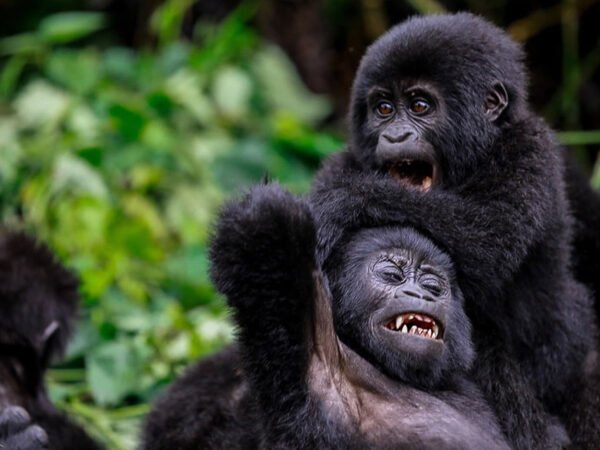
Knowing that only around 1,060 mountain gorillas remain in the wild adds profound meaning to the trekking experience. Standing just meters away from a silverback, watching young gorillas play, or observing a mother cradle her infant is not just wildlife viewing—it is a powerful conservation encounter.
For many travelers, gorilla trekking in Rwanda or Uganda is the highlight of their African safari. It combines adventure, conservation, and emotional connection in a way few experiences can match.
Gorilla Trekking in Rwanda and Uganda: A Conservation Success Story
Today, Rwanda and Uganda are globally recognized as leaders in sustainable gorilla tourism. Their conservation models are studied worldwide, proving that wildlife protection and tourism can coexist when done responsibly. Every trek supports this success story and helps ensure that future generations will still be able to see mountain gorillas in the wild.
If you are planning gorilla trekking safaris in Rwanda and Uganda, you are not just booking a trip—you are becoming part of one of Africa’s greatest conservation achievements.
Final Thought for Our Travelers
With just over 1,060 mountain gorillas remaining in the wild, the opportunity to see them is rare, meaningful, and deeply impactful. A gorilla trekking safari in Rwanda or Uganda is more than a holiday—it is a direct contribution to protecting one of the planet’s most endangered and extraordinary species.
Understanding the rules of behavior and noise during a gorilla trekking safari in Rwanda and Uganda is one of the most important parts of preparing for this once-in-a-lifetime wildlife experience. Gorilla trekking is not a zoo visit or a casual nature walk—it is a carefully managed conservation activity designed to protect endangered mountain gorillas while allowing visitors a safe, respectful, and meaningful encounter. These rules apply equally to gorilla trekking safaris in Rwanda and gorilla trekking safaris in Uganda, and every traveler is expected to follow them strictly from the moment the trek begins until it ends.
Why Behavior and Noise Rules Matter on a Gorilla Trek
Mountain gorillas are highly intelligent, emotional, and socially complex animals. They share about 98% of human DNA, which makes them extremely sensitive to human behavior, body language, and sound. Excessive noise, sudden movements, or inappropriate actions can cause stress, aggression, or long-term behavioral changes in gorilla families. For this reason, the Uganda Wildlife Authority (UWA) and Rwanda Development Board (RDB) enforce strict gorilla trekking rules to ensure that every gorilla trekking safari in Uganda and Rwanda supports conservation rather than harming it.
Following these rules also protects you as a traveler. Gorillas are peaceful by nature, but they are still wild animals. Calm behavior and controlled noise levels help ensure that your Rwanda gorilla trekking experience or Uganda gorilla trekking safari remains safe, intimate, and unforgettable.
Keeping Noise Levels Low During Gorilla Trekking
One of the most emphasized rules during a gorilla trek is maintaining low noise levels at all times. Treks often pass through dense rainforest where sound travels quickly and unpredictably. Loud talking, shouting, laughing, or calling out can alarm gorillas long before you see them. As you approach a gorilla family, guides will instruct you to lower your voice to a whisper or remain silent.
During the one hour spent with the gorillas, silence is essential. Soft communication with your guide is allowed, but conversations should be minimal and discreet. Camera shutters, phone sounds, and electronic alerts must be switched off or silenced. This rule applies equally whether you are trekking gorillas in Volcanoes National Park or in Bwindi Impenetrable National Park, as noise disturbance can affect gorilla behavior across all habitats.
Calm and Respectful Body Language Is Essential
Your physical behavior matters just as much as your voice. Gorilla trekking rules require all visitors to move slowly, calmly, and deliberately. Running, sudden gestures, pointing aggressively, or waving arms can be perceived as threatening. When a gorilla approaches you—which can happen—travelers are instructed to remain still, avoid eye contact, and follow the guide’s instructions carefully.
Direct staring is considered confrontational in gorilla communication. For this reason, trekkers are advised to look at gorillas briefly and calmly rather than fixing their gaze for long periods. This rule helps maintain a peaceful interaction and is a cornerstone of responsible gorilla trekking safaris in Rwanda and Uganda.
No Touching or Imitating Gorilla Behavior
Touching a gorilla is strictly forbidden, even if the gorilla moves close to you. Human contact can transmit diseases, including respiratory infections, which are extremely dangerous to gorilla populations. Similarly, visitors must never imitate gorilla sounds, chest beating, or behaviors. While it may seem harmless, imitation can confuse or provoke gorillas, particularly dominant silverbacks.
These rules are clearly explained during the pre-trek briefing, and professional guides remain alert throughout the experience to ensure that every Uganda gorilla trekking safari or Rwanda gorilla trek follows ethical wildlife standards.
Photography Etiquette and Flash Restrictions
Photography is allowed during gorilla trekking, but behavior around cameras is tightly controlled. Flash photography is strictly prohibited because sudden bursts of light can frighten or agitate gorillas. Photographers are encouraged to use natural light settings and keep camera movements slow and unobtrusive.
Even while taking photos, trekkers must remain quiet and mindful of their surroundings. A perfect photo should never come at the expense of gorilla comfort or safety. Respectful photography enhances the quality of your gorilla trekking safari experience in Rwanda or Uganda while supporting conservation goals.
Following the Guide at All Times
Your ranger guide is trained not only in gorilla tracking but also in gorilla psychology and behavior. One of the most important rules during gorilla trekking is to follow your guide’s instructions without hesitation. Guides will signal when to stop, move, crouch, or step back, depending on the gorillas’ reactions.
Ignoring instructions, wandering off, or attempting to get closer than allowed disrupts the group and increases risk. Staying disciplined ensures a smooth, safe, and rewarding gorilla trekking experience in both Rwanda and Uganda.
Respecting Group Discipline and Time Limits
Gorilla trekking is conducted in small groups, usually limited to eight visitors per gorilla family. This rule reduces noise, stress, and human pressure on the gorillas. Once you reach the gorillas, interaction time is limited to one hour, regardless of location. This time limit is strictly enforced to protect gorilla well-being and reduce habituation stress.
Respecting time limits and group structure is a key principle of sustainable gorilla trekking safaris in Uganda and Rwanda, ensuring that future generations can enjoy the same incredible experience.
A Conservation-Focused Experience for Responsible Travelers
By following behavior and noise rules during your gorilla trekking safari, you are actively contributing to gorilla conservation, habitat protection, and community livelihoods. These rules are not restrictions—they are what make gorilla trekking one of the most ethical and meaningful wildlife encounters in the world.
Whether you are planning a luxury gorilla trekking safari in Rwanda or an adventurous gorilla trekking experience in Uganda, respectful behavior and controlled noise levels ensure a deeper, more authentic connection with these magnificent primates. When done correctly, gorilla trekking becomes more than a safari—it becomes a shared moment of trust between humans and one of the world’s most endangered species.
When planning gorilla trekking safaris in Rwanda and Uganda, many travelers focus first on the gorilla trekking permit cost. While permits are essential, they are only one part of the total budget. To plan a smooth, stress-free, and truly rewarding gorilla safari experience, it’s important to understand the additional costs that come beyond permits. These costs influence comfort, logistics, safety, and the overall quality of your safari.
Whether you are trekking mountain gorillas in Bwindi Impenetrable National Park or Volcanoes National Park, budgeting correctly ensures you enjoy your gorilla trekking safari in Rwanda or Uganda without last-minute surprises.
Accommodation Costs During Gorilla Trekking Safaris
Accommodation is one of the biggest costs after permits on gorilla safaris in Uganda and Rwanda. Lodges are located close to trekking sectors to reduce early-morning travel and maximize comfort. Prices vary depending on the travel style you choose.
Luxury travelers can expect premium lodges offering spacious cottages, private butlers, spa treatments, fine dining, and forest views overlooking gorilla habitat. Midrange lodges balance comfort and affordability with en-suite rooms, good food, and excellent proximity to trekking points. Budget lodges and camps provide clean, safe accommodation suitable for adventurous travelers seeking affordable gorilla trekking tours.
In Rwanda, lodge rates around Volcanoes National Park are generally higher due to exclusivity and infrastructure standards. Uganda offers a wider range of accommodation choices, making Uganda gorilla trekking safaris more flexible for different budgets.
Transport and Transfers During Gorilla Safaris
Transport is another essential cost to factor in when planning gorilla trekking safaris in Rwanda and Uganda. Gorilla parks are located in remote regions, requiring reliable and comfortable transfers.
Most safaris use private 4×4 safari vehicles with professional driver-guides. These vehicles are designed for rough terrain, long distances, and comfort. Fuel, park access routes, and vehicle maintenance all contribute to transport costs. In Rwanda, road transfers from Kigali are shorter and smoother, while Uganda’s longer distances mean higher transport costs but more scenic countryside.
Some travelers opt for domestic flights to reduce travel time, especially for luxury gorilla safaris. Charter flights significantly increase the budget but add comfort, speed, and exclusivity to your gorilla trekking safari.
Professional Guide and Ranger Services
A major value-add cost on gorilla trekking safaris is the presence of experienced guides and park rangers. On trekking day, Uganda Wildlife Authority or Rwanda Development Board assigns armed rangers, trackers, and lead guides who ensure safety, interpret gorilla behavior, and protect visitors.
Professional safari guides accompanying you throughout your itinerary also add to the cost. These guides handle logistics, briefings, language translation, wildlife interpretation, and emergency coordination. High-quality guiding elevates your gorilla safari in Rwanda or Uganda from a simple trek into a deeply educational and emotional experience.
Porter Fees and Community Support Costs
Hiring a porter is an additional but highly recommended cost on gorilla trekking safaris in Uganda and Rwanda. Porters help carry daypacks, cameras, rain gear, and walking sticks while assisting you on steep or muddy trails.
Porter fees are affordable and directly support local communities living near gorilla parks. This cost not only improves your trekking comfort but also contributes to sustainable tourism and conservation livelihoods, making your gorilla safari more responsible and impactful.
Meals, Drinks, and Personal Expenses
Most safari packages include meals at lodges, but travelers should budget for additional drinks, premium wines, spirits, and special dietary requests. Packed lunches on trekking days are usually provided, but tips for lodge staff, guides, and rangers are customary and should be budgeted separately.
Personal expenses such as laundry, souvenirs, crafts from local communities, and optional lodge activities also add to the overall gorilla trekking safari cost.
Travel Insurance and Medical Preparations
Travel insurance is a critical but often overlooked cost when planning gorilla trekking safaris in Rwanda and Uganda. Insurance should cover medical emergencies, evacuation, trip cancellations, and trekking-related activities.
Additionally, travelers should budget for vaccinations, malaria prevention, and basic medical supplies. While gorilla trekking is safe, preparation ensures peace of mind during your Uganda or Rwanda gorilla safari.
Optional Experiences and Safari Extensions
Many travelers combine gorilla trekking with other safari experiences, which increases the total budget but greatly enhances the journey. In Uganda, this may include chimpanzee trekking, Big Five game drives, boat safaris, or cultural encounters. In Rwanda, extensions may include golden monkey trekking, lake retreats, or cultural village visits.
These add-on experiences transform a single trek into a full African safari holiday and should be planned into your budget from the beginning.
Why Budgeting Beyond Permits Matters
Understanding the full cost structure of gorilla trekking safaris in Rwanda and Uganda allows you to choose the right level of comfort, avoid hidden costs, and enjoy a seamless safari experience. Permits grant access to the gorillas, but accommodation quality, transport reliability, professional guiding, and community engagement define the true value of your safari.
When planned correctly, budgeting beyond permits ensures your gorilla safari in Rwanda or Uganda is not only unforgettable but also ethical, safe, and deeply rewarding—delivering an experience worth every dollar spent.
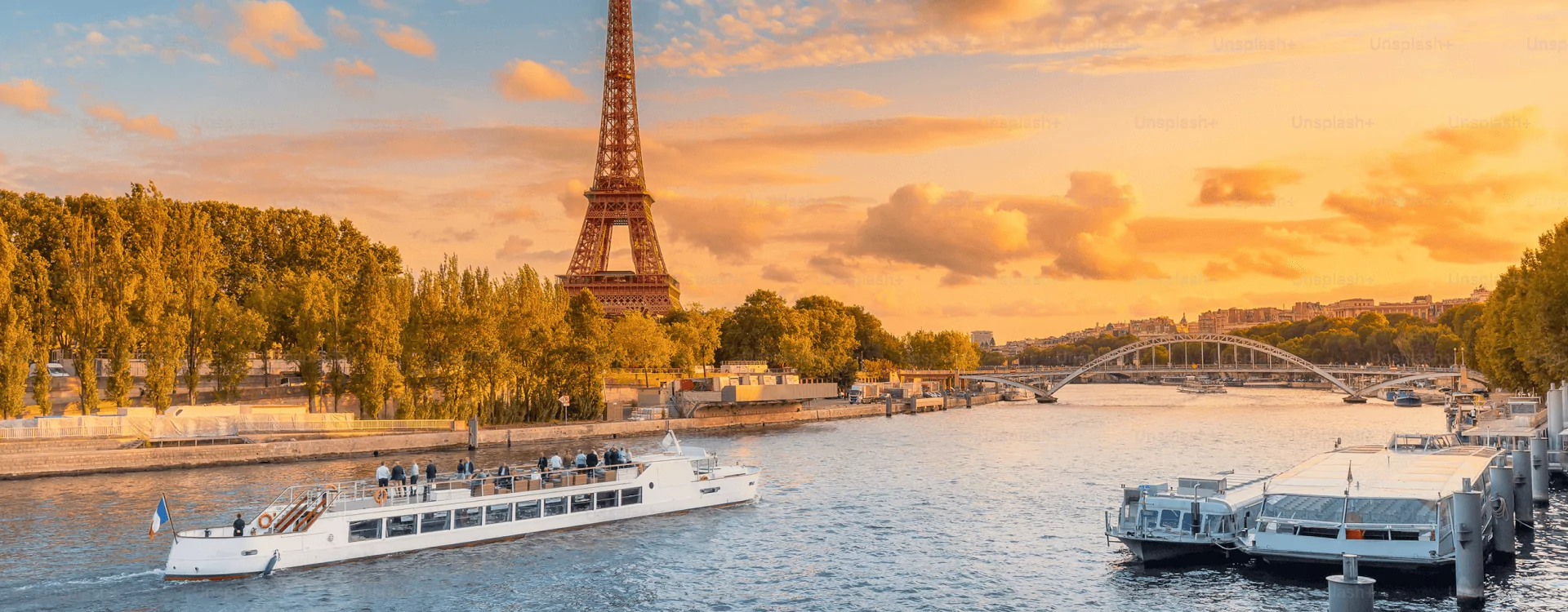
Yes, we frequently arrange scenic helicopter transfers for our luxury clients in Rwanda and Uganda, significantly reducing travel time from Kigali and providing spectacular aerial views of the Virunga Massif, adding an exclusive element to your top gorilla safaris.
Choosing the right luxury lodge for a gorilla trekking Rwanda safari is one of the most important decisions travelers make when planning an unforgettable journey to the misty forests of Volcanoes National Park. The lodge you stay in shapes your entire experience—from how early you reach the trailhead, to how you recover after the trek, to how deeply you connect with Rwanda’s landscapes, culture, and conservation story. Rwanda is globally recognised for offering some of the most exclusive and refined luxury gorilla trekking lodges in Africa, combining exceptional comfort, privacy, sustainability, and seamless access to gorilla trekking permits.
For travelers seeking high-end gorilla trekking safaris in Rwanda, the luxury lodges around Volcanoes National Park stand in a league of their own. They are designed for guests who value privacy, personalised service, world-class guiding, fine dining, and authentic wilderness immersion, all while supporting conservation and community initiatives.
Bisate Lodge – Iconic Design and Ultra-Luxury Gorilla Trekking
Bisate Lodge is widely regarded as one of Africa’s most iconic luxury eco-lodges and a flagship for luxury gorilla trekking in Rwanda. Set on the forest edge with dramatic views of the Virunga volcanoes, Bisate offers beautifully designed forest villas inspired by traditional Rwandan architecture. Each villa provides total privacy, fireplaces, elegant interiors, and panoramic views that elevate the gorilla trekking experience into something truly extraordinary.
Bisate Lodge is ideal for travelers looking for an exclusive Rwanda gorilla safari with strong sustainability credentials. The lodge is deeply involved in reforestation, community development, and conservation, making it especially appealing to eco-conscious luxury travelers, photographers, honeymooners, and those seeking a once-in-a-lifetime gorilla trekking experience.
Singita Kwitonda Lodge – Rwanda’s Most Exclusive Gorilla Safari Retreat
For travelers seeking the pinnacle of ultra-luxury gorilla trekking safaris, Singita Kwitonda Lodge offers unmatched elegance, privacy, and service. Located right on the boundary of Volcanoes National Park, Singita Kwitonda provides immediate access to gorilla trekking starting points, ensuring minimal travel time on trekking mornings.
The lodge features spacious private suites with heated plunge pools, in-and-out fireplaces, refined interiors, and breathtaking volcano views. Singita’s service philosophy focuses on intuitive hospitality, gourmet dining, curated wine selections, and bespoke experiences. This lodge is perfectly suited for high-net-worth travelers, luxury safari connoisseurs, and guests combining Rwanda gorilla trekking with other Singita properties across Africa.
Sabyinyo Silverback Lodge – Timeless Luxury with Cultural Charm
Sabyinyo Silverback Lodge offers a more classic yet refined luxury experience for gorilla trekking safaris in Rwanda. Perched on the foothills of the Virunga Mountains, the lodge provides stunning views, stone cottages with fireplaces, and warm Rwandan hospitality. Its location allows easy access to several gorilla trekking sectors within Volcanoes National Park.
Sabyinyo Silverback Lodge is especially popular with travelers who appreciate understated luxury, cultural authenticity, and strong community involvement. The lodge was one of the pioneers of luxury gorilla tourism in Rwanda and remains a favorite for couples, families, and first-time gorilla trekking visitors who want comfort, charm, and reliability.
Virunga Lodge – Scenic Luxury with a Romantic Atmosphere
Set dramatically between Lakes Ruhondo and Bulera, Virunga Lodge is one of Rwanda’s most scenic luxury lodges for gorilla trekking safaris. Known for its breathtaking views and tranquil atmosphere, Virunga Lodge combines elegant bandas, attentive service, and a strong conservation ethos.
This lodge is particularly well suited for honeymooners, photographers, and travelers seeking a romantic luxury gorilla trekking safari. After a physically demanding trek, guests return to soothing views, fine dining, and warm hospitality, making the entire Rwanda gorilla trekking journey both adventurous and deeply restorative.
Wilderness Bisate Reserve – Private Conservation-Focused Luxury
For travelers looking for exclusive, conservation-led luxury gorilla trekking in Rwanda, Wilderness Bisate Reserve offers a refined extension of the Bisate experience within a private natural reserve. The lodge provides a more intimate, high-end atmosphere with fewer guests, deeper forest immersion, and exceptional guiding.
This option is ideal for repeat visitors to Rwanda, conservation-focused travelers, and guests who want to pair gorilla trekking with walking safaris, birding, and private nature experiences within a protected environment near Volcanoes National Park.
Why Luxury Lodges Matter for a Gorilla Trekking Rwanda Safari
Luxury lodges are not just places to sleep; they are an integral part of a premium Rwanda gorilla trekking safari. Staying at a high-end lodge ensures early access to trekking briefing points, private transfers, expert naturalist guides, and seamless logistics. After hours of hiking through dense forest terrain, luxury lodges provide the comfort, wellness, cuisine, and relaxation needed to fully enjoy the experience.
Most luxury lodges in Rwanda also work closely with conservation organisations and local communities, meaning your stay directly contributes to gorilla protection, habitat restoration, and sustainable tourism. This combination of comfort, purpose, and exclusivity is what makes Rwanda one of the world’s leading destinations for luxury gorilla trekking safaris.
Combining Rwanda and Uganda Luxury Gorilla Lodges
Many travelers choose to combine luxury gorilla trekking in Rwanda and Uganda in one seamless itinerary. Rwanda’s refined lodge experience pairs beautifully with Uganda’s remote, forest-based luxury lodges in Bwindi Impenetrable National Park. This combination allows guests to compare trekking styles, landscapes, and gorilla families while enjoying top-tier accommodation throughout their journey.
At our gorilla trekking safaris in Rwanda and Uganda, we carefully match each traveler with the most suitable luxury lodge based on travel style, fitness level, desired privacy, and overall safari goals. Whether you prefer ultra-luxury, eco-conscious design, romantic seclusion, or culturally rich comfort, we curate lodge selections that elevate your gorilla trekking safari into a truly world-class experience.
The size of a trekking group for gorilla trekking Rwanda is limited to a maximum of 8 guests per gorilla family. This small group size ensures a high-quality, intimate viewing experience.
Gorilla safaris in Uganda primarily take place in the Bwindi Impenetrable National Park, which hosts the largest population of mountain gorillas. Some trekking is also offered in the smaller, dramatic Mgahinga Gorilla National Park.
The cost for a gorilla safaris Uganda permit is $800 per person. This makes Uganda a highly attractive and more budget-friendly option for many travelers looking for gorilla trekking safaris.
Bwindi Impenetrable Forest, the primary location for gorilla safaris Uganda, is generally known for its rugged and steeper terrain, making the trekking slightly more challenging than in Rwanda’s Volcanoes National Park. However, our private guides ensure you are matched with the most appropriate trekking group.
Bwindi is divided into four sectors: Buhoma, Ruhija, Rushaga, and Nkuringo. Buhoma is famous for its ease of access and excellent luxury lodges. Rushaga and Nkuringo often require more strenuous treks but offer high-end private lodges like Nkuringo Gorilla Lodge.
Yes, we highly recommend and specialize in fly-in gorilla safaris Uganda. This eliminates long drives and maximizes your time in the wilderness, allowing you to fly directly from Entebbe to the airstrips near Bwindi.
Yes, Uganda offers the exclusive Gorilla Habituation Experience (GHEX) in the Rushaga sector of Bwindi. This allows guests to spend up to four hours with a semi-habituated gorilla family, a truly extended experience compared to the standard one hour.
You should wear sturdy, waterproof hiking boots, long trousers (tucked into socks to prevent fire ants), long-sleeved shirts, and thick gardening gloves to protect your hands. Essential items include rain gear, sun protection, insect repellent, and plenty of water for your gorilla trekking safaris.
Mountain gorillas are wild animals, but the families tracked on gorilla trekking safaris are habituated, meaning they are accustomed to human presence. Guides and trackers maintain strict safety protocols. As long as you follow the rules (like maintaining distance and avoiding direct eye contact), the experience is incredibly peaceful and safe.
To protect the gorillas, who are highly susceptible to human illness, you must be in good health. Trekkers with visible cold or flu symptoms will not be permitted to trek. Furthermore, always maintain the mandated 7-meter (23-foot) distance from the gorillas.
We strongly recommend hiring a porter for all gorilla trekking safaris, even if you consider yourself fit. They carry your daypack, help you navigate slippery or difficult sections of the trail, and their fee directly supports the local communities and conservation efforts.
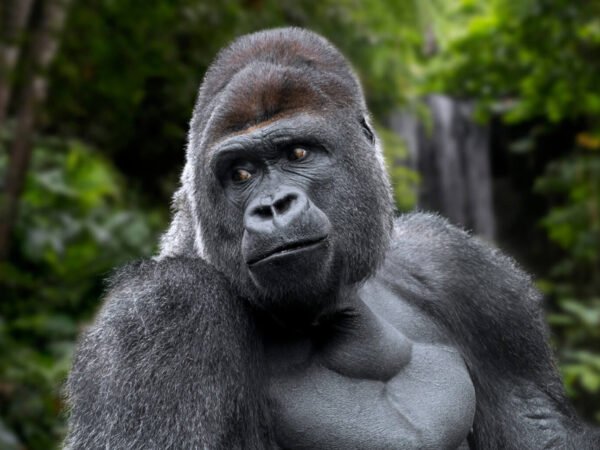
Absolutely not. Flash photography is strictly forbidden during all gorilla trekking safaris as the sudden burst of light can distress the gorillas. You must ensure your camera’s flash function is disabled before the encounter begins.
The permit price includes the park entrance fee, the services of expert trackers and armed rangers, and the mandated one hour of viewing time with the gorilla family. It is the necessary starting point for all top gorilla safaris.