


Rwanda Tours Built on Responsible Luxury


Rwanda tours have gained global recognition because they successfully combine refined luxury with some of Africa’s strongest conservation standards. This balance is most clearly demonstrated through gorilla trekking, which has become the flagship experience of any safari in Rwanda. Rather than pursuing mass tourism, Rwanda has deliberately chosen a high-value, low-volume model that protects wildlife while delivering exclusive, meaningful journeys. As a result, Rwanda safaris appeal strongly to travelers who value ethics, comfort, and authenticity.
Conservation at the Core of Every Safari in Rwanda
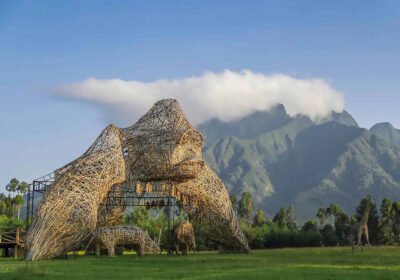
At the heart of Rwanda safaris lies an uncompromising commitment to conservation, especially within Volcanoes National Park. With fewer than one thousand mountain gorillas remaining globally, each gorilla family is treated as a national and ecological treasure. Strict limits are enforced, and only eight visitors are allowed per gorilla family each day. These measures are designed to reduce stress, preserve natural behavior, and protect fragile habitats. Luxury tourism is therefore used as a conservation tool, ensuring fewer visitors can generate sufficient funding without overwhelming the ecosystem.
A High-End Tourism Strategy Designed for Impact
Rwanda tours intentionally position gorilla trekking as a premium experience rather than an affordable mass attraction. This strategy attracts travelers who appreciate exclusivity, privacy, and responsible travel choices. Luxury lodges such as Bisate Lodge, Singita Kwitonda Lodge, and Sabyinyo Silverback Lodge reflect this philosophy clearly. These properties are carefully designed to blend into the environment while supporting conservation programs and community partnerships. Consequently, luxury enhances sustainability rather than competing with it.
Premium Permits Supporting Long-Term Protection
Another critical element of safari in Rwanda is the premium gorilla permit system. Permit fees are intentionally high, and this revenue is directly reinvested into conservation initiatives. Anti-poaching patrols, ranger training, habitat restoration, and veterinary care through the Gorilla Doctors program are funded through tourism income. By discouraging overtourism, Rwanda protects gorilla families while ensuring consistent financial support for conservation. This system has played a major role in the steady growth of the mountain gorilla population.
Community Benefits Embedded in Rwanda Safaris
Rwanda safaris are also designed to benefit local communities living near protected areas. A portion of every permit fee is allocated to community development projects, including schools, health centers, clean water systems, and livelihood programs. This approach builds strong local support for conservation and reduces pressures such as poaching or illegal land use. Additionally, many luxury lodges employ local staff and source supplies locally, ensuring tourism revenue circulates within the region.
Professional Management and Scientific Integration
Rwanda tours are strengthened further by professional management and scientific oversight. Highly trained rangers and trackers guide visitors, ensuring safety while interpreting wildlife behavior. Infrastructure such as briefing centers and trail systems is carefully maintained and designed to minimize environmental impact. At the same time, long-term research programs monitor gorilla health, movements, and social dynamics. Tourism revenue supports this research, allowing conservation strategies to remain evidence-based and adaptive.
Luxury Experiences That Respect Nature
Luxury within safari in Rwanda is expressed through quality rather than excess. Small trekking groups, attentive guiding, and strictly enforced one-hour viewing limits protect gorillas from stress and disease transmission. Meanwhile, travelers enjoy uncrowded trails, immersive encounters, and world-class hospitality before and after the trek. As a result, luxury enhances appreciation rather than exploitation.
Conclusion: Why Rwanda Sets the Standard
In conclusion, Rwanda tours succeed because they harmonize luxury tourism with rigorous conservation principles. This carefully balanced model protects mountain gorillas, empowers communities, advances science, and delivers unforgettable experiences. By choosing Rwanda safaris, travelers participate in a journey that benefits wildlife, people, and future generations. This unique synergy is what makes a safari in Rwanda one of the most responsible and rewarding travel experiences in Africa.