











Rwanda’s Global Leadership in Gorilla Conservation
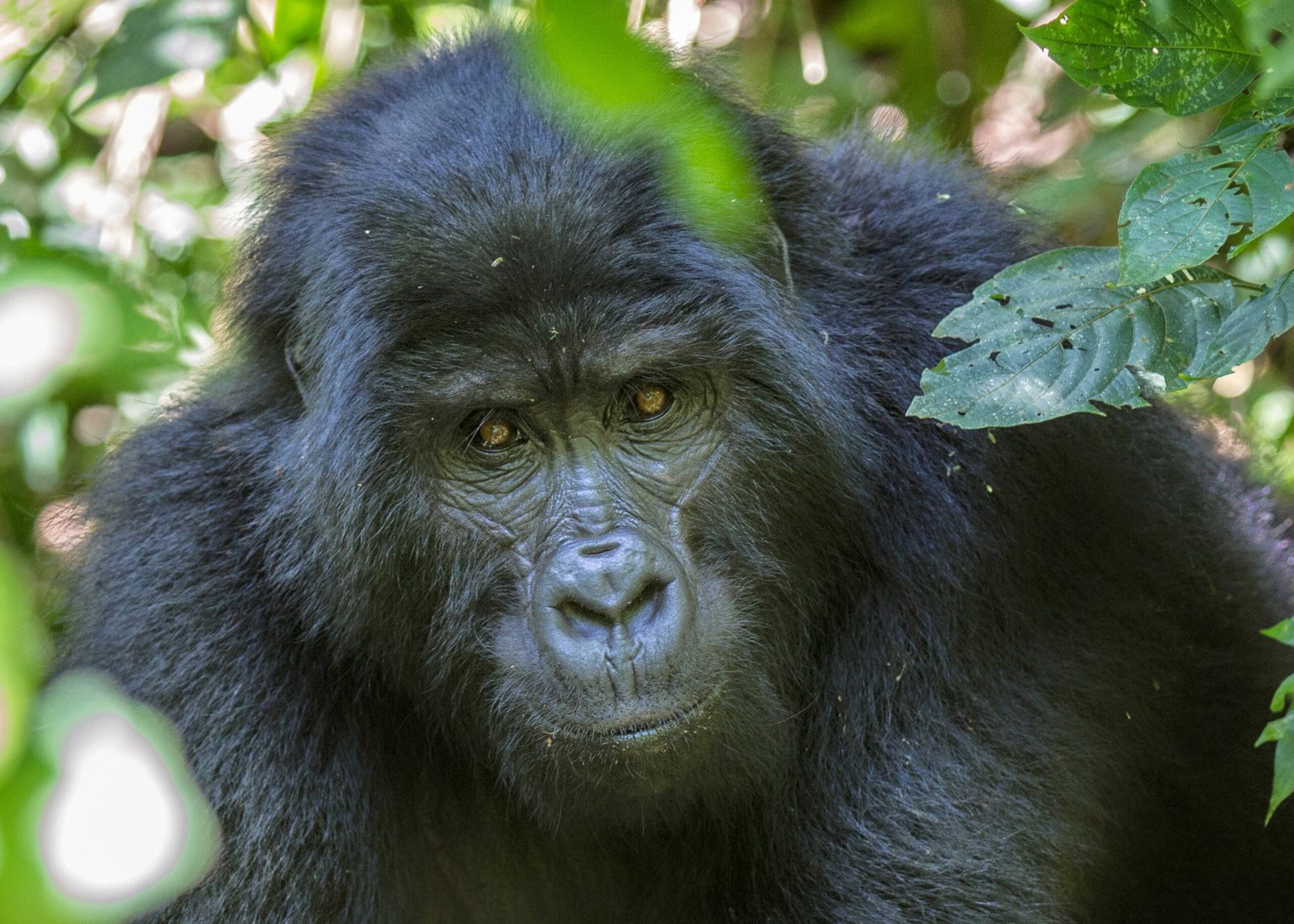
Rwanda has emerged as a global benchmark for ethical, safe, and scientifically managed mountain gorilla encounters. Although gorilla trekking in Uganda also follows strict conservation and safety guidelines, Rwanda distinguishes itself through centralized management, rigorous ranger training, scientific oversight, and an uncompromising conservation ethic. Every stage of the trekking experience—from visitor preparation to time spent with the gorillas—is carefully designed to protect both wildlife and tourists, ensuring sustainability and respect remain at the core of the experience.
Strict Visitor Limits and Centralized Control
One of the most critical pillars of Rwanda’s approach is its strict control of visitor numbers. Only eight tourists are permitted to visit each gorilla family per day, a rule that is enforced without exception. This limitation prevents overcrowding and minimizes stress on the animals.
The Rwanda Development Board centrally manages permits, group assignments, and daily visitor flow. While similar rules exist during gorilla trekking in Uganda, Rwanda’s smaller park size and centralized oversight allow for tighter enforcement and greater consistency across all treks.
Mandatory Briefings and Visitor Education
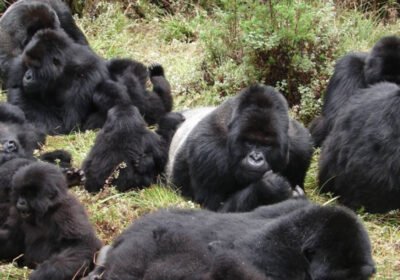
Equally important is the mandatory pre-trek briefing held at Kinigi headquarters near Volcanoes National Park. Before entering the forest, visitors receive detailed guidance on ethical behavior and safety. Rangers explain how to maintain a minimum distance of seven meters, avoid direct eye contact with silverbacks, speak softly, and move calmly.
These briefings ensure that visitors understand gorilla behavior and their own responsibilities. As a result, encounters are calmer, safer, and more respectful for both humans and gorillas.
Disease Prevention and Health Protocols
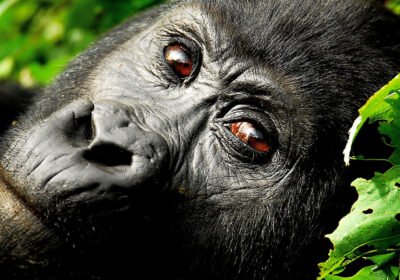
Rwanda places exceptional emphasis on disease prevention. Because mountain gorillas share over 98% of their DNA with humans, they are highly vulnerable to respiratory infections. Visitors showing flu-like symptoms are not allowed to trek, and mask use has become standard practice.
Rangers, trackers, and porters follow strict hygiene procedures, reducing the risk of disease transmission. While these protocols are also applied during gorilla trekking in Uganda, Rwanda’s centralized system ensures they are implemented with remarkable consistency.
Daily Tracking and Forest Safety
Safety is further enhanced through daily monitoring by experienced trackers. Each morning before sunrise, trackers locate gorilla families by following nest sites, footprints, and feeding remains. This preparation allows visitors to be guided efficiently while avoiding hazards such as unstable terrain or unexpected wildlife encounters.
Rwanda’s open bamboo forest environment also improves visibility and communication, making tracking safer and more controlled than in denser rainforest settings.
Expert Ranger Training and On-Ground Leadership
Rwanda’s ranger guides undergo intensive and standardized training in gorilla behavior, first aid, visitor management, and environmental protection. Their ability to read gorilla body language allows them to intervene early if tension arises.
The calm and confident presence of these rangers directly influences gorilla behavior, helping maintain peaceful interactions. Although Uganda’s guides are equally dedicated, Rwanda’s uniform training structure creates a highly consistent experience across all trekking groups.
Ethical Time Limits and Habituation Science
Another cornerstone of Rwanda’s ethical framework is the one-hour rule. Visitors are allowed exactly one hour with a gorilla family. This limit minimizes stress, prevents behavioral disruption, and reduces disease risk. Scientific research has shown that excessive human exposure can negatively affect feeding and social dynamics.
Rwanda’s success is also rooted in decades of habituation research, dating back to the pioneering work of Dian Fossey. Only well-habituated families are opened to tourism, ensuring encounters remain predictable and safe.
Veterinary Care and Community Protection
Rwanda works closely with Gorilla Doctors, a specialized veterinary team that monitors gorilla health and responds to injuries or illness. This rapid medical support significantly enhances both conservation outcomes and trekking safety.
In addition, local communities benefit directly from gorilla tourism through employment and revenue-sharing. This community involvement strengthens conservation support, reduces poaching threats, and creates a protective buffer around the park.
Conclusion: A Gold Standard for Ethical Wildlife Encounters
In conclusion, Rwanda ensures safe and ethical mountain gorilla encounters through strict visitor limits, robust disease prevention, expert ranger leadership, daily tracking, scientific habituation, veterinary care, and strong community engagement. While gorilla trekking in Uganda is also responsibly managed, Rwanda’s highly coordinated and consistently enforced system places it among the most respected conservation models in the world. Travelers enjoy a deeply meaningful, secure, and ethically grounded encounter—one built on decades of conservation leadership and global best practice.