


Step-by-Step Guide to Getting Gorilla Trekking Permits Through UWA or Tour Operators
Obtaining a gorilla trekking permit is one of the most critical steps for anyone planning uganda gorilla trekking. Bwindi Impenetrable National Park and Mgahinga Gorilla National Park are protected habitats, and the Uganda Wildlife Authority (UWA) strictly regulates access to ensure conservation of the mountain gorillas. Understanding the process for securing permits—whether through UWA directly or via tour operators—is essential for a smooth and successful gorilla trekking in Uganda experience.
The first step in obtaining a gorilla trekking permit is deciding which park and sector you plan to visit. Bwindi is divided into four main trekking sectors: Buhoma, Ruhija, Rushaga, and Nkuringo, each hosting different habituated gorilla families. Mgahinga, smaller in size, has a limited number of habituated groups. Factors such as trekking difficulty, preferred sector, seasonal accessibility, and likelihood of infant sightings can influence this choice. Once the sector is selected, trekkers should identify the specific gorilla family they wish to observe. This is particularly important for photographers, wildlife enthusiasts, and those seeking a specific experience, such as habituation encounters.
The next step is determining availability and booking timing. Gorilla trekking permits are limited in number and are highly sought after due to the popularity of gorilla trekking in Uganda. Permits are generally released on a first-come, first-served basis, especially for peak travel months between June and September or December to February. Early planning is crucial; most experts recommend booking permits at least three to six months in advance. For peak periods, securing a permit even earlier ensures access to preferred sectors and gorilla families, providing a more personalized and rewarding uganda gorilla trekking experience.
Travelers can obtain permits in two main ways: directly through UWA or via accredited tour operators. Booking directly through UWA involves visiting the official website or contacting their offices to reserve permits, followed by payment and confirmation. This method allows for control over the choice of gorilla family and trekking dates but requires familiarity with the process and payment procedures. UWA permits are issued for specific dates and sectors, and travelers must present valid identification during permit collection and trek briefings.
Alternatively, working with a tour operator simplifies the process. Experienced operators handle the entire booking process, including permit reservations, transportation arrangements, accommodation, and logistics for gorilla trekking in Uganda. Tour operators often provide tailored packages that include guides, porters, and optional activities before or after the trek. Using an operator is especially advantageous for first-time visitors, families, or those combining gorilla trekking with other Ugandan safari experiences. Operators can advise on optimal sectors, ideal trekking months, and the best gorilla families for photography or infant sightings, maximizing the value of each uganda gorilla trekking adventure.
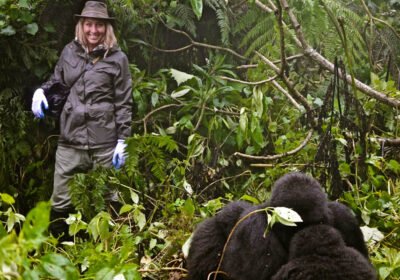
Once the permit is secured, preparation for the trek includes selecting accommodations near park entry gates, arranging transport to the sector, and reviewing UWA guidelines for responsible gorilla interaction. Trek permits specify the number of participants per gorilla family—typically eight—and outline strict rules for maintaining a safe distance, minimizing noise, and avoiding physical contact. Following these rules ensures the safety and welfare of the gorillas while allowing visitors to enjoy an immersive gorilla trekking in Uganda experience.
On the day of the trek, trekkers must present their permit at the park headquarters or trailhead. UWA staff or guides will conduct a briefing covering park rules, trekking protocols, and safety procedures. This includes instructions on what to do when encountering gorillas, photography guidelines, and environmental considerations. Being punctual and prepared ensures that the trekking experience is smooth, safe, and fully compliant with conservation standards.
Payment for permits varies depending on residency and sector. International tourists generally pay higher fees, which contribute directly to gorilla conservation and local community projects. These fees are non-refundable and are essential for maintaining UWA’s conservation programs. Understanding the cost structure and budgeting accordingly is a key aspect of planning uganda gorilla trekking.
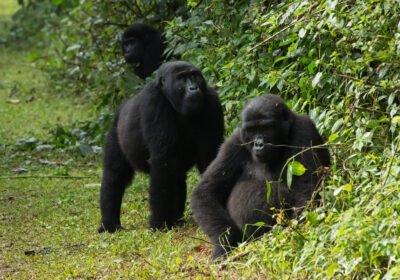
In summary, securing a gorilla trekking permit is a structured process involving selection of park and sector, advance booking, and compliance with UWA regulations. Permits can be obtained directly from UWA or through accredited tour operators who manage logistics, accommodation, and guidance. Following this step-by-step approach ensures a seamless and rewarding gorilla trekking in Uganda experience, allowing travelers to focus on the unique opportunity to observe mountain gorillas in their natural habitat while contributing to conservation and local community support.