










Strong Conservation Policies Behind Gorilla Trekking Success
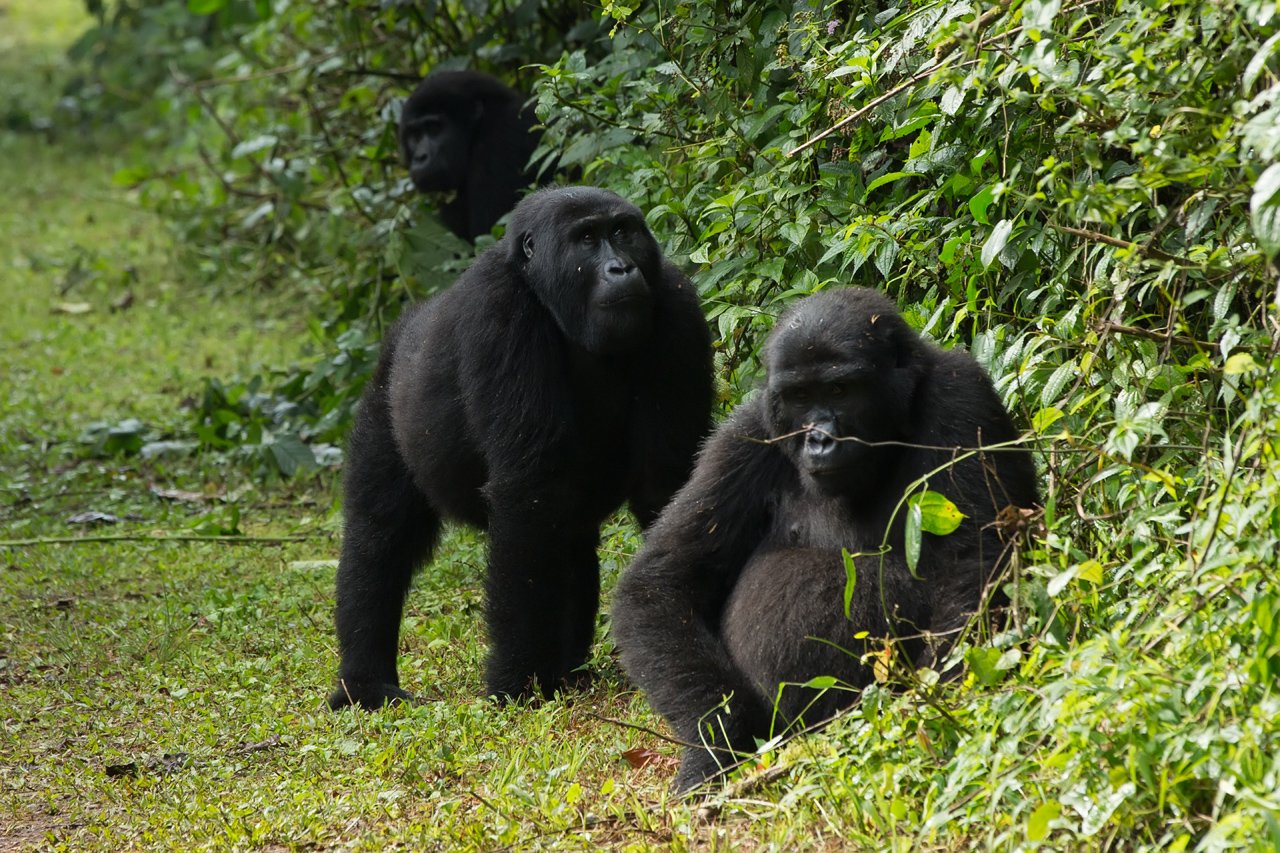
Rwanda is globally celebrated for offering some of the most reliable and emotionally powerful gorilla trekking experiences in the world. This reputation has not emerged by chance. Instead, it is the result of carefully designed conservation policies that place mountain gorillas at the center of national priorities. While gorilla trekking in Uganda and the Democratic Republic of Congo also supports conservation, Rwanda stands out for its disciplined, policy-driven approach that balances protection, tourism, and community benefit. Because of this framework, gorilla trekking experiences in Rwanda remain consistently safe, well-managed, and deeply rewarding.
Regulation Before Revenue
At the core of Rwanda’s success is a deliberate decision to prioritize conservation over short-term tourism profits. Gorilla trekking is strictly regulated under national law, with clear limits on group size, trekking duration, visitor conduct, and permit allocation. Only eight visitors are allowed per gorilla family per day, and the viewing time is limited to one hour. These rules may feel restrictive at first, yet they are essential for reducing stress on gorilla families and maintaining natural behavior patterns. As a result, trekking encounters are calm, predictable, and meaningful rather than rushed or crowded.
Daily Monitoring and Scientific Oversight
Another defining strength of Rwanda’s system is daily monitoring. Each gorilla family within Volcanoes National Park is tracked every day by trained rangers and researchers. Their movements, health conditions, social interactions, and nesting areas are carefully recorded. Because of this constant observation, trekkers are guided directly to known locations, which reduces unnecessary searching and limits disturbance. Consequently, both gorillas and visitors benefit from a smoother, more controlled trekking experience.
Methodical Habituation for Calm Encounters
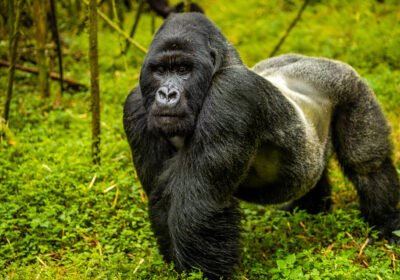
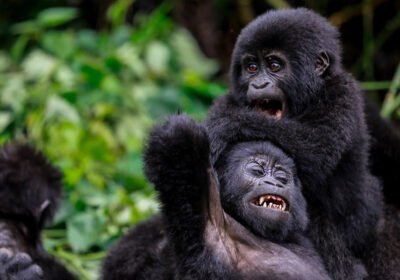
Rwanda’s habituation process is equally rigorous. Only selected gorilla families are gradually introduced to tourism, and the process can take several years before a group is deemed suitable for visitors. During this period, gorillas slowly become accustomed to human presence without changing their natural behaviors. This long-term investment produces calm, confident gorilla groups that tolerate observers without stress. For visitors, this means close, intimate encounters that feel safe and authentic rather than tense or unpredictable.
Revenue Sharing and Community Protection
Conservation success in Rwanda is also driven by strong community partnerships. Through a national revenue-sharing program, 10 percent of all park tourism income is directed back to communities living near the park. These funds support schools, health centers, water projects, and local businesses. Because communities see direct benefits from gorilla tourism, gorillas are increasingly viewed as valuable assets rather than threats. This shift has significantly reduced poaching, illegal logging, and habitat encroachment, strengthening long-term conservation outcomes.
Anti-Poaching and Habitat Expansion
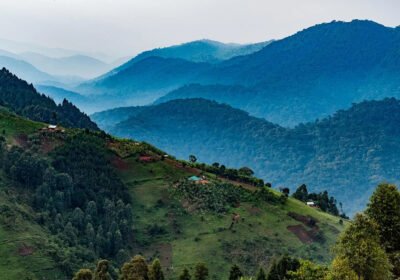
Rwanda enforces some of the strongest anti-poaching measures in the region. Armed patrols, snare-removal teams, boundary monitoring, and community reporting systems operate continuously. At the same time, the government has committed to expanding gorilla habitat by restoring land around the park. These efforts provide gorillas with more space while reducing human-wildlife conflict. Over time, safer and larger habitats have supported population growth and improved ecosystem stability.
Professional Tourism Management
Visitor management also plays a critical role. Under the oversight of the Rwanda Development Board, guides and trackers receive extensive training in conservation ethics, wildlife behavior, and guest safety. Before each trek, visitors attend detailed briefings that outline both physical expectations and ethical responsibilities. Because rules are clearly explained and consistently enforced, trekking experiences remain respectful, secure, and well-coordinated.
A Conservation Success Felt by Visitors
Rwanda’s conservation-first strategy has contributed to the recovery of mountain gorillas from the brink of extinction. From fewer than 300 individuals decades ago, the population has steadily increased, with Rwanda playing a central role in that success. For travelers, this means participating in one of the world’s most inspiring wildlife conservation stories. The experience feels exclusive, peaceful, and emotionally profound because it is built on decades of protection, science, and community collaboration.
Conclusion
Rwanda’s gorilla trekking excellence is a direct reflection of its strong conservation policies. Through strict regulation, scientific monitoring, community revenue sharing, habitat protection, and professional tourism management, Rwanda has created one of the most stable and high-quality gorilla trekking systems in the world. Visitors do not simply observe gorillas; they engage with a living conservation success story. This is why Rwanda continues to set the global standard for ethical, reliable, and deeply moving gorilla trekking experiences.