The history of gorilla habituation in Rwanda is inseparable from the pioneering work of Dian Fossey, whose research transformed global understanding of mountain gorillas and laid the groundwork for their survival. While gorilla trekking in Uganda has also benefited from scientific research and conservation partnerships, Rwanda’s habituation journey began earlier and developed into one of Africa’s most structured and influential conservation models.
Establishment of the Karisoke Research Center
In 1967, Dian Fossey founded the Karisoke Research Center, strategically located between Mount Karisimbi and Mount Bisoke in what is now Volcanoes National Park. At that time, mountain gorillas were poorly understood and critically threatened by poaching, habitat loss, and political instability. Fossey’s early work focused on understanding gorilla social structures, communication, feeding habits, and nesting behavior. Through years of patient observation, invaluable scientific knowledge was gathered, and misconceptions about gorillas were gradually challenged.
The Birth of Gorilla Habituation
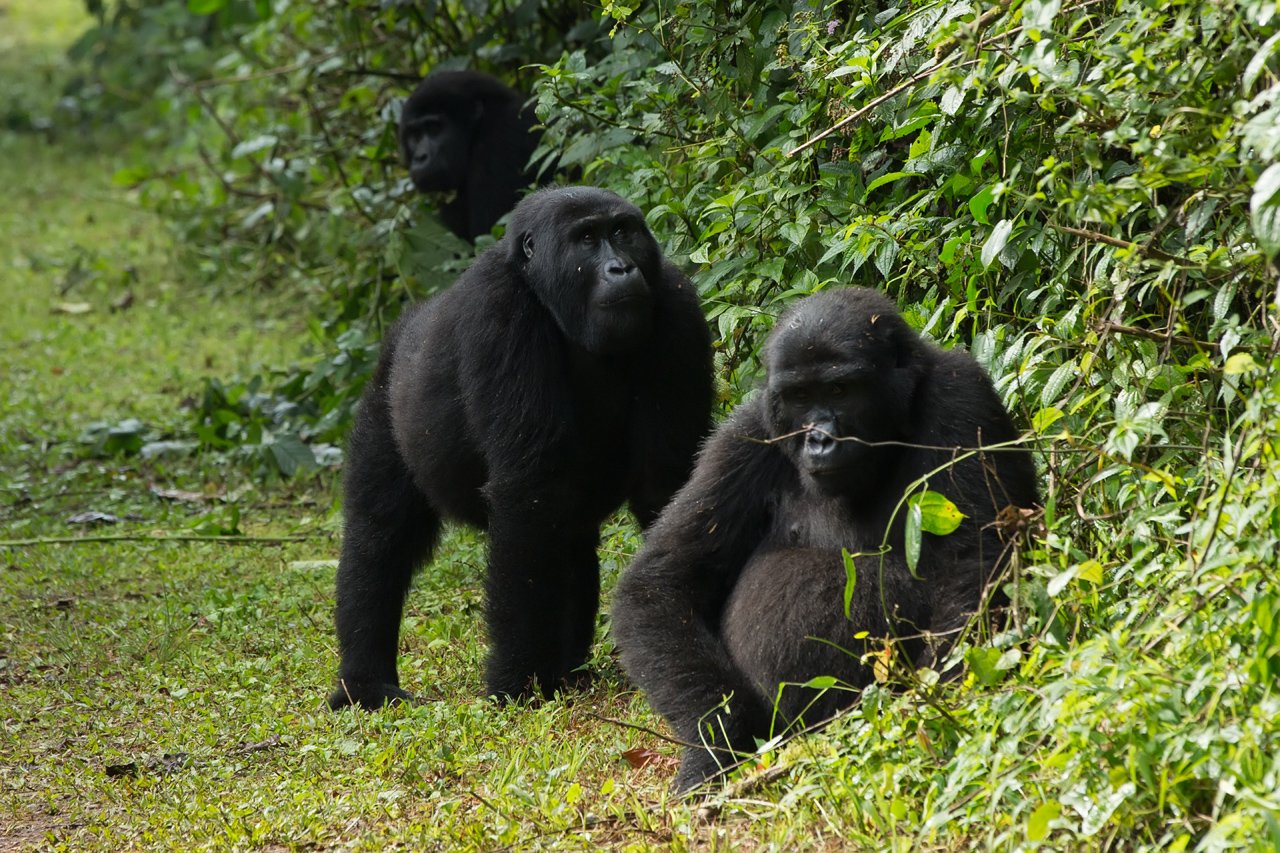
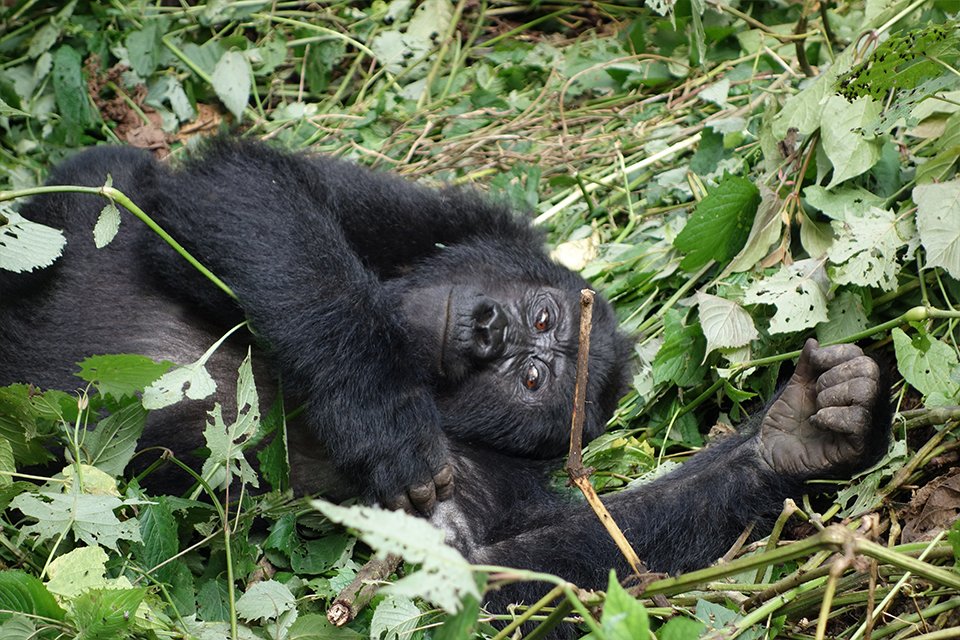
Crucially, Fossey pioneered the concept of gorilla habituation. This process involved the gradual, respectful introduction of humans to gorilla families so that observation could occur without altering natural behavior. Her approach was intentionally slow and non-intrusive, emphasizing calm presence, consistency, and deep respect. Over time, gorillas became tolerant of humans, allowing researchers to observe them at close range. This methodology later became the ethical foundation for modern gorilla tourism, ensuring that conservation remained the priority.
Global Awareness and Conservation Impact
Beyond scientific research, Fossey’s greatest achievement may have been raising global awareness. Her book Gorillas in the Mist, and the subsequent film adaptation, brought international attention to the plight of mountain gorillas. As a result, conservation funding increased, public support grew, and Rwanda’s commitment to gorilla protection was strengthened. Even today, her legacy continues through education programs, monitoring initiatives, and international conservation partnerships.
From Research to Structured Tourism
Following Fossey’s death in 1985, the Karisoke Research Center continued operating and expanding its work. The habituation techniques she developed were refined and eventually integrated into Rwanda’s carefully regulated gorilla trekking system. Over time, this approach contributed to one of conservation’s greatest success stories: mountain gorilla numbers increased from fewer than 300 individuals in the 1980s to more than 1,060 today. This recovery has been widely recognized as a result of long-term research, strict protection, and controlled tourism.
Centralized Science and Daily Monitoring
Rwanda’s habituation model remains highly centralized and science-driven. Gorilla families are monitored daily by trackers and researchers who record births, deaths, injuries, social changes, and feeding patterns. This data ensures that trekking remains safe, ethical, and minimally disruptive. Although Uganda gorilla trekking also relies on habituation, Rwanda’s smaller park size allows for tighter coordination and continuous scientific oversight.
Community Conservation and Fossey’s Legacy
Importantly, habituation in Rwanda has always been linked to community conservation. Fossey helped inspire early anti-poaching patrols, a legacy that continues through government agencies, local communities, and conservation organizations. Today, gorilla survival is supported not only by science but also by local stewardship and tourism revenue.
In 2022, the opening of the Ellen DeGeneres Campus of the Dian Fossey Gorilla Fund further expanded research, education, and conservation capacity. Visitors can now learn about gorilla biology, conservation challenges, and Fossey’s enduring influence.
Conclusion: A Living Conservation Legacy
In summary, Rwanda’s gorilla habituation history is a powerful narrative of patience, innovation, and commitment. Dian Fossey’s work reshaped conservation practice and continues to influence gorilla trekking today. Through ethical habituation, scientific rigor, and community involvement, Rwanda offers travelers a deeply meaningful and responsible connection with one of the world’s most endangered great apes.