










Understanding Bwindi Weather Seasons and How Rainfall Impacts Gorilla Trekking Trail Difficulty
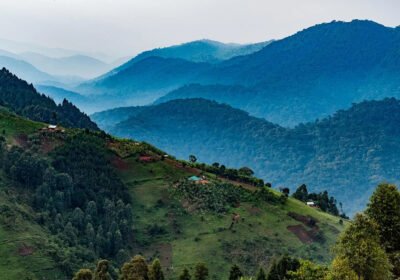
Bwindi Impenetrable National Park is one of the most ecologically complex landscapes in East Africa, and its weather patterns are equally dynamic. For anyone planning uganda gorilla trekking, understanding Bwindi’s seasons, rainfall cycles, temperatures, and microclimates is essential. The forest’s name—Impenetrable—is not an exaggeration. Dense vegetation, steep ridges, river valleys, and thick undergrowth combine with seasonal rainfall to shape the trekking experience daily.
This article gives a detailed look at how Bwindi’s weather works, which months offer easier trekking, when trails become tougher, and how rainfall directly influences trail difficulty for travelers seeking gorilla trekking in Uganda.
1. Bwindi’s Elevation Creates Unique Microclimates
Bwindi ranges between 1,160 to 2,600 meters above sea level, and this elevation plays a major role in shaping its weather. Higher altitudes receive more mist, more rainfall, and cooler temperatures compared to lower forest sections.
Each sector—Buhoma, Ruhija, Rushaga, and Nkuringo—experiences weather slightly differently:
- Ruhija is the highest, coldest, and often the wettest.
- Nkuringo also receives heavy rainfall and thicker cloud cover.
- Rushaga experiences moderate rainfall but slippery terrain.
- Buhoma is relatively milder, making it the easiest sector for beginners.
Even within the same day, trekkers may shift from sunlight to rain, then to mist, then back to sunshine. This is why trekking guides always advise preparing for all conditions regardless of the season.
2. The Two Dry Seasons: Best Months for Easier Gorilla Trekking
While Bwindi receives rain year-round, dry seasons provide more stable weather and easier terrain. These are:
December – February (Short Dry Season)
- Mostly sunny mornings
- Manageable humidity
- Clear forest pathways
- Excellent photography light
This season is popular for travelers combining gorilla trekking in Uganda with other parks like Queen Elizabeth or Kibale.
June – August (Long Dry Season)
- Peak season for gorilla trekking
- Trails are least slippery
- Reduced vegetation density
- Higher chance of spotting gorillas in open spaces
June–August also experiences the highest visitor numbers, so gorilla permits often sell out months in advance.
Dry seasons do not mean zero rainfall—Bwindi’s rainforest can still surprise trekkers with sudden showers—but the intensity and frequency are significantly lower. Trail difficulty during these months is moderate and more accessible even for first-time trekkers.
3. The Two Rainy Seasons: When Trekking Gets Tougher
March – May (Long Rainy Season)
This is the wettest period of the year. Heavy rains saturate the soil, making trails extremely muddy. Trekkers often encounter:
- Slippery slopes
- Deep mud along valleys
- More challenging river crossings
- Difficult ascents on wet ridges
However, this season also has advantages: fewer tourists, greener vegetation, abundant gorilla food supply, and discounted lodge prices.
September – November (Short Rainy Season)
Rainfall fluctuates between heavy and moderate. Forest trails remain muddy, but conditions are slightly more manageable than the March–May rains. The gorillas often feed closer to the lower slopes during wet months because vegetation thrives there, meaning some treks may actually be shorter.
4. How Rainfall Directly Impacts Trail Difficulty
a. Slippery Conditions
Bwindi sits on volcanic and clay-rich soil. When rain falls, the trails become slick and sticky. Steep inclines require steady pace, trekking poles, and sturdy boots.
b. River and Stream Overflow
Some trekking paths cross streams that swell during heavy rains. Rangers may adjust the routes to avoid unsafe crossings, adding extra time to the trek.
c. Dense Vegetation Growth
Rain accelerates the growth of undergrowth bushes like vines, stinging nettles, and thick shrubs. Cutting through these areas takes more effort.
d. Fog and Mist Can Reduce Visibility
High-altitude areas like Ruhija get thick mist, which can obscure long-distance views. While this adds a moody atmosphere for photography, it can slow down groups and tracking teams.
e. Gorilla Movement Changes
Rain influences where gorillas go. Heavy rains encourage them to stay in lower areas where bamboo and vegetation grow faster. In dry seasons, they may move higher, making the trek longer but more scenic.
5. Temperature Patterns: Cool and Comfortable Year-Round
Despite Bwindi’s rainforest status, temperatures remain comfortable:
- Daytime: 20°C – 25°C
- Nighttime: 10°C – 12°C (colder in Ruhija & Nkuringo)
Mornings often start cool, afternoons warm up, and evenings bring mist or light showers. This temperature balance makes uganda gorilla trekking pleasant throughout the year, even during rainy months—as long as trekkers are properly equipped.
6. When Is the Best Time for Gorilla Trekking in Uganda?
If your priority is easier hiking conditions, the dry seasons (June–August and December–February) are best. But if you prioritize lush greenery, quieter trails, and discounted rates, rainy seasons can also be rewarding.
Best for beginners:
- June–August
- December–February
Best for photographers (dramatic fog, deep greens):
- March–May
- October–November
Best for shorter treks:
- Rainy months when gorillas feed closer to human-accessible forest edges
7. How to Prepare for Bwindi Weather Regardless of Season
- Carry waterproof boots
- Pack gaiters for muddy slopes
- Use a poncho or rain jacket
- Wear layers for changing temperatures
- Bring gloves for gripping vines during steep climbs
- Use trekking poles for stability
Your experience during gorilla trekking in Uganda depends significantly on how well you prepare for Bwindi’s unpredictable climate.
Conclusion
Weather shapes every part of the gorilla trekking experience in Bwindi. Dry seasons offer easier trails and more stable conditions, while rainy seasons bring challenging terrain, slippery slopes, and stunningly lush scenery. Regardless of the season, uganda gorilla trekking remains one of the world’s most rewarding wildlife adventures—and understanding Bwindi’s weather patterns helps trekkers choose the best time, prepare appropriately, and appreciate the rainforest’s dynamic beauty.