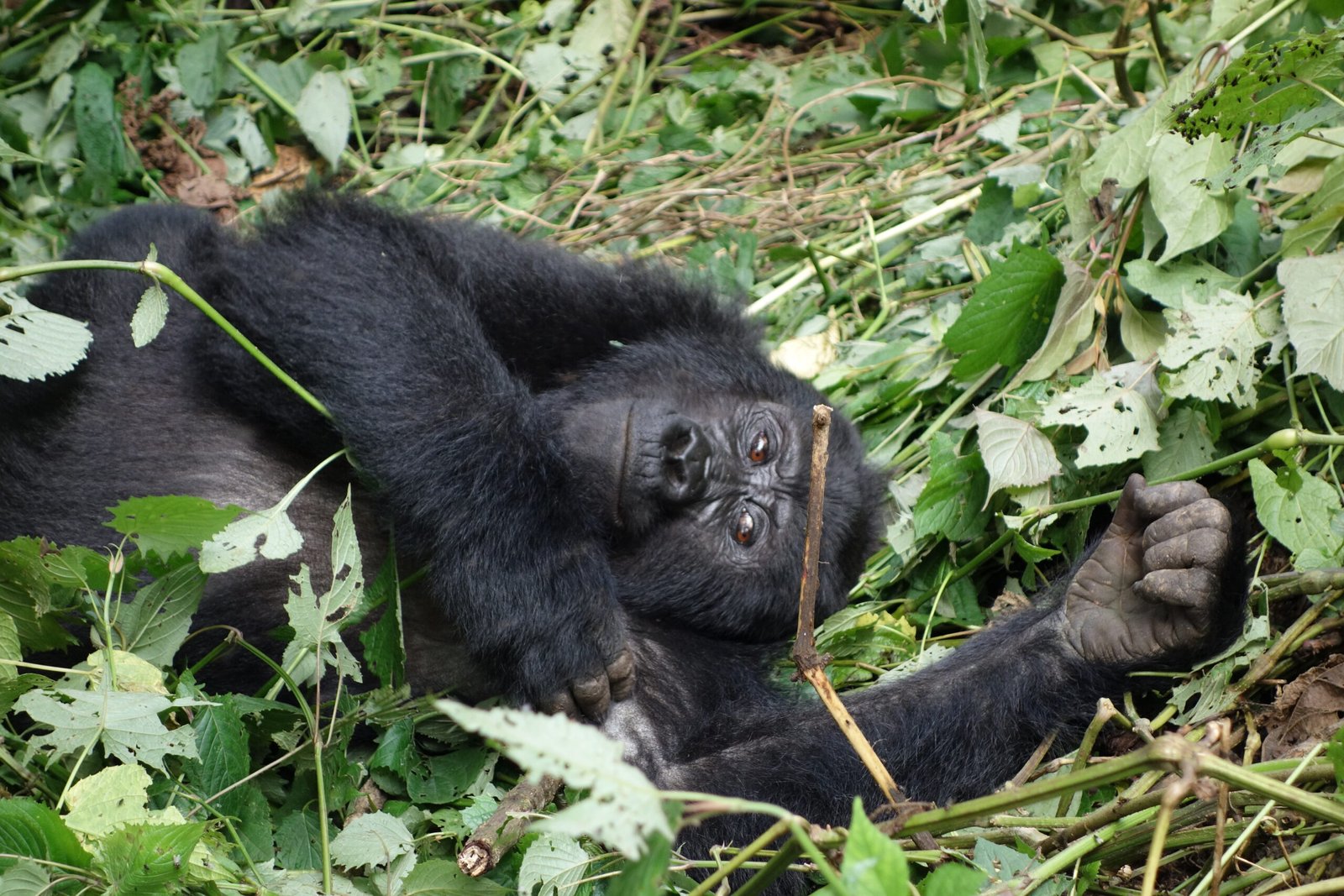
Mountain gorillas are among the world’s most fascinating primates, and understanding their social structure, diet, behavior, and daily rhythms enhances the value of uganda gorilla trekking experiences. Every visitor who undertakes gorilla trekking in Uganda enters a world governed by complex relationships, emotional intelligence, and finely tuned behaviors that have evolved to help gorillas survive in dense montane forests. These insights not only enrich the trekking experience but also help travelers appreciate the importance of conservation and the fragile balance sustaining these rare animals.
Mountain gorillas live in cohesive family units typically led by a dominant silverback—the powerful, fully mature male whose authority guides every aspect of group life. This leadership structure is one of the most fascinating aspects of gorilla behavior. The silverback makes decisions about where the group feeds, travels, rests, and sleeps. His role includes protection against external threats, conflict resolution, and maintaining harmony within the family. This strong social cohesion is one of the reasons gorilla trekking encounters feel so intimate; trekkers witness a well-organized society where members communicate through gestures, vocalizations, body postures, and even facial expressions.
Gorilla families may range from small units of six to large groups of 20 or more individuals. A typical group consists of the dominant silverback, several females, juveniles, infants, and occasionally a subordinate silverback or a blackback (an adolescent male). During uganda gorilla trekking, it becomes clear that each family member has a role. Mothers care attentively for their infants; juveniles play and groom each other to strengthen social bonds; and the silverback remains watchful, constantly monitoring the environment. This structured family dynamic contributes to the calm, relaxed atmosphere that trekkers often describe during gorilla trekking in Uganda.
Diet plays a crucial role in shaping gorilla behavior and movement patterns. Mountain gorillas are primarily herbivorous, feeding on over 100 types of plants, including leaves, stems, bark, roots, and shoots. They often consume bamboo shoots when in season, along with fruit when available, though fruit is less abundant in their high-altitude habitats compared to lowland gorillas. Their large size requires them to spend hours feeding each day, which is why during gorilla trekking, visitors often find gorillas peacefully munching vegetation, sometimes just meters away. Their slow, deliberate movements and steady feeding behavior create serene and memorable encounters for trekkers.
Gorilla behavior is also influenced by their need for social bonding. Grooming, playing, resting together, and gentle vocal exchanges strengthen relationships within the group. Playful interactions between juveniles, chest-beating performances from young males, and nurturing moments between mothers and infants are some of the most emotionally compelling scenes witnessed during uganda gorilla trekking adventures. These behaviors highlight the intelligence, empathy, and deep social awareness that make gorillas more comparable to humans than most wildlife species.
Daily rhythms in mountain gorilla life follow a predictable pattern. Gorillas wake up early, typically around sunrise, and begin feeding almost immediately. Their days are divided between feeding, traveling, resting, and socializing. During the mid-morning and afternoon, they often settle into extended rest periods known as “siestas,” during which the family relaxes, grooms each other, or engages in playful interactions. These rest periods are common moments for gorilla trekking in Uganda, as gorillas remain stationary, providing excellent photography opportunities without disturbance.
As the afternoon progresses, gorillas resume feeding until late in the day. Shortly before dusk, each family constructs new nests from leaves and branches on the ground or in low trees. Nest-building is an important behavior observed in habituation studies and is sometimes witnessed during trekking. Each gorilla builds its own nest every night, and mothers create additional support for infants who sleep beside them. This habit ensures hygiene, reduces parasite buildup, and provides warmth and comfort in the cool montane forest.
Communication among mountain gorillas is complex and subtle. They use over 20 known vocalizations to express reassurance, warning, curiosity, or contentment. Body language—such as chest beating, mock charges, or gentle touches—plays a crucial role in maintaining order. During gorilla trekking, trained rangers interpret these signals to ensure both safety and a respectful distance, allowing trekkers to observe natural gorilla interactions without disruption.
The understanding of gorilla behavior is essential for conservation and for maintaining positive human–gorilla interactions in tourism. Habituation—the gradual process of helping gorillas tolerate human presence—relies heavily on knowledge of their social dynamics, communication, and comfort levels. The more we understand about their daily rhythms and natural habits, the better managed uganda gorilla trekking becomes, ensuring minimal stress for gorillas and maximum benefit for conservation.
For travelers, witnessing these behaviors firsthand is transformative. Every moment spent with a gorilla family reveals the depth, complexity, and tenderness found in their world. Gorilla trekking in Uganda offers more than wildlife viewing—it provides a window into the social fabric and daily lives of a species whose survival depends on ongoing protection and global appreciation. Understanding their rhythms, diets, and behaviors enriches the trekking experience and deepens the commitment to safeguarding these endangered giants for generations to come.