















Understanding the Role of Uganda Wildlife Authority Trackers During Gorilla Locating Operations

The success of uganda gorilla trekking heavily depends on the exceptional skills, dedication, and daily commitment of the Uganda Wildlife Authority (UWA) trackers. These specialized teams play one of the most critical roles in ensuring that visitors encounter mountain gorillas safely, consistently, and without unnecessary difficulty. While most travelers only see the rangers who accompany them during the actual trek, it is the behind-the-scenes work of the trackers that makes gorilla trekking in Uganda one of the world’s most reliable wildlife experiences. Understanding their role helps visitors appreciate the complexities, science, and discipline that go into locating gorilla families deep within Bwindi Impenetrable National Park.

Every morning, before tourists even arrive at the park headquarters for the pre-trek briefing, UWA trackers have already entered the forest, often well before sunrise. Their mission is to locate where each gorilla family nested the previous evening. Mountain gorillas build new nests every night, and these nests give trackers the first clue in determining a group’s current location. Finding nests requires exceptional knowledge of forest paths, gorilla behavior, feeding patterns, and terrain. Trackers can interpret subtle changes in vegetation, footprints, feeding remains, broken branches, and dung deposits. This field expertise is the backbone of successful gorilla trekking in Uganda, making it possible for tourists to begin their trek in the right direction.

Once trackers find the nests, they begin following fresh trails that indicate where the gorillas moved that morning. Gorillas often start their day early, feeding on leaves, shoots, roots, and fruits. Trackers carefully analyze feeding sites, droppings, and movement patterns to understand how far the family has traveled. Because Bwindi’s terrain is steep, dense, and rugged, this tracking work demands extreme physical endurance. Trackers navigate thick vegetation that is sometimes too dense for the average trekker, using machetes to cut paths and following signs invisible to untrained eyes. Their deep understanding of gorilla habits ensures the safety and accuracy of every uganda gorilla trekking expedition.

Communication is another essential part of their work. Once a tracker team locates the gorillas, they immediately relay this information to the rangers at the park headquarters using radios or mobile communication systems. This active coordination allows the trekking groups to adjust their route depending on the gorillas’ latest movements. Without this early morning groundwork, visitors might spend many more hours—if not an entire day—searching the forest on uncertain paths. Trackers essentially eliminate the guesswork, ensuring high gorilla sighting success rates year-round. This is why gorilla trekking in Uganda maintains an impressive record of consistent sightings.

In addition to locating the gorillas, trackers also contribute significantly to conservation monitoring. During their operations, they record data about gorilla health, behavior, group composition, and any notable changes. They watch for signs of injury, illness, or stress within the family groups. This information is documented and shared with conservation teams to ensure each gorilla receives proper protection. Trackers also identify potential threats such as snares, illegal activities, or habitat disturbances. Their vigilance helps maintain a safe environment for both gorillas and humans, ensuring the long-term success of gorilla conservation.

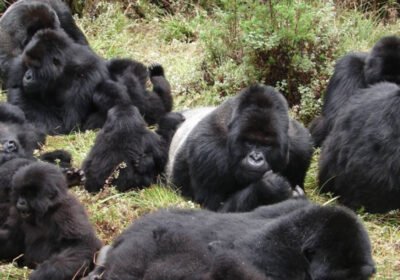
Trackers play a crucial role in maintaining peaceful relationships between humans and gorillas. Because gorillas are naturally shy and wary of danger, habituation is an ongoing process that requires consistency. Trackers spend countless hours with the gorillas, reinforcing their tolerance of human presence. This careful habituation allows visitors to observe gorillas at close range without causing stress or aggression. For trekkers, this means they can enjoy a calm, respectful, and intimate experience. For the gorillas, it means they remain comfortable and undisturbed despite the presence of tourists. Such delicate interactions would not be possible without the long-term commitment of UWA tracker teams.

Safety is another major responsibility. Trackers must ensure that the routes trekkers follow are safe from hazards such as unstable terrain, dangerous vegetation, or aggressive wildlife. They carefully observe gorilla body language, recognizing early signs of discomfort or agitation. Their ability to predict and manage potential risks allows trekking to remain safe for all involved. This expertise contributes to the overall reputation of uganda gorilla trekking as a secure and well-managed wildlife experience.

Finally, trackers serve as vital bridges between conservation and local communities. Many trackers come from villages surrounding Bwindi. Their involvement not only provides essential employment but also strengthens local support for conservation initiatives. Through their work, they demonstrate how gorilla protection directly benefits families and communities. This connection encourages long-term commitment to preserving Uganda’s gorilla populations and forest ecosystems.

In summary, UWA trackers are the silent heroes behind every successful uganda gorilla trekking adventure. Their early-morning missions, forest expertise, communication coordination, conservation contributions, safety management, and community involvement all play indispensable roles. Without their dedication, gorilla trekking in Uganda would not be the exceptional, reliable, and transformative experience it is today. Their work ensures that every visitor has the opportunity to encounter mountain gorillas in their natural habitat while supporting vital conservation efforts.

Related Articles

Leave a reply

Your email address will not be published. Required fields are marked *