Understanding Trek Difficulty Differences Between Gorilla Families
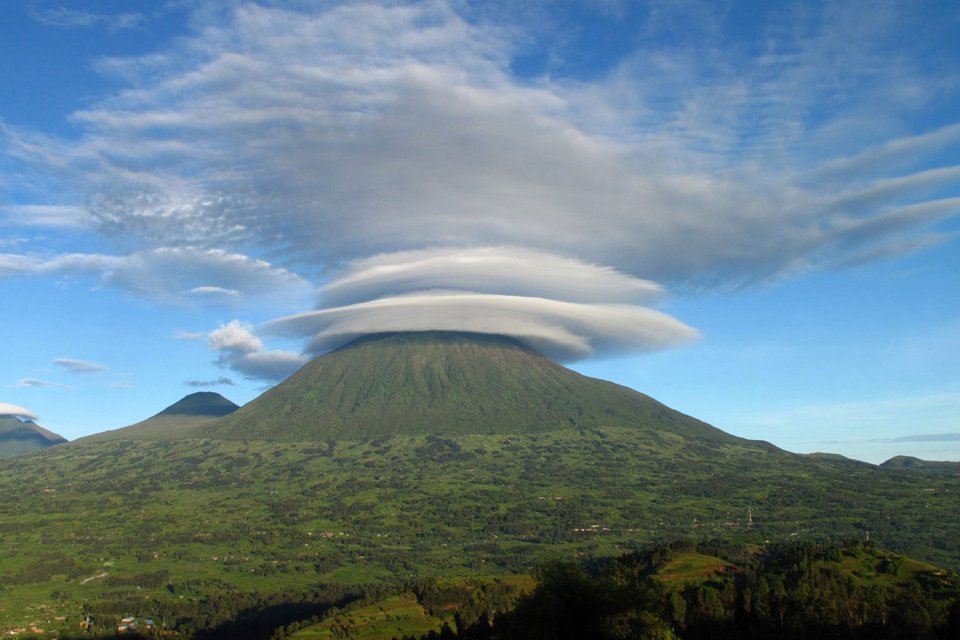
Gorilla trekking in Volcanoes National Park offers an unforgettable journey into the heart of the Virunga Mountains, where visitors encounter some of the last remaining mountain gorillas on Earth. Although every trek culminates in the same magical reward—an intimate hour with a gorilla family—the effort required to reach that moment varies greatly. Each gorilla family occupies different terrain, meaning trekking difficulty, forest type, and physical demand change depending on the group assigned. Among the most commonly visited families, Sabyinyo, Amahoro, and Agashya each offer a clearly different trekking experience. Understanding these differences helps travelers prepare realistically and choose a trek that suits their fitness level and expectations.
Sabyinyo Gorilla Family – Short, Steep, and Accessible
The Sabyinyo gorilla family is widely regarded as one of the most accessible groups in Rwanda. For travelers seeking gorilla trekking without intense physical strain, this family is often ideal. The group typically ranges close to the park boundary near Mount Sabyinyo, which means trekking distances are usually shorter than those required for other families.
However, accessibility does not mean completely flat terrain. Sections of the trail can be steep, especially through bamboo zones and volcanic ridges. The forest here is relatively open, with moss-covered rocks and occasional muddy patches, particularly during rainy months. While the climbs require steady pacing, the overall trek rarely lasts long hours. Because of this balance, Sabyinyo is frequently recommended for older travelers, visitors with limited hiking experience, or anyone seeking the easiest gorilla trek in Rwanda. The presence of the legendary silverback Guhonda also adds a powerful highlight to the experience.
Amahoro Gorilla Family – Moderate Difficulty With Scenic Rewards
The Amahoro gorilla family offers a more immersive and moderately challenging trek. Found on the slopes of Mount Karisimbi and Mount Bisoke, this group generally requires longer hiking distances and more elevation gain than Sabyinyo. The trek passes through diverse habitats, including bamboo forest, hagenia-hypericum woodland, and lush vegetation zones unique to Volcanoes National Park.
As its name suggests, “Amahoro” means peace, and the family is known for calm, gentle behavior. The trek involves sustained uphill walking and can be slippery after rain, making it best suited to travelers with a reasonable level of fitness. Many trekkers feel the extra effort is rewarded with stunning scenery, quieter forest sections, and a deeply serene gorilla encounter. Amahoro is an excellent choice for those wanting a balance between physical challenge and scenic beauty.
Agashya Gorilla Family – Variable Difficulty and True Adventure
The Agashya gorilla family, also known as Group 13, is the most unpredictable in terms of trekking difficulty. Led by an adventurous silverback, this group is highly mobile and frequently changes its location. Some days the family remains on lower slopes, resulting in a manageable trek. On other days, the group moves deeper into the mountains, requiring long hikes across steep, rugged terrain.
Because of this variability, Agashya is best suited for physically fit travelers who enjoy adventure and uncertainty. The trail may involve dense vegetation, volcanic rock, and extended climbs. Despite the effort, the experience is often incredibly rewarding. The family is large, active, and socially dynamic, providing excellent opportunities for photography and extended observation of gorilla behavior.
Choosing the Right Trek
Choosing between Sabyinyo, Amahoro, and Agashya depends on your fitness and adventure preference. Sabyinyo suits travelers seeking the shortest and most reliable trek. Amahoro is ideal for those wanting moderate challenge with scenic immersion. Agashya appeals to strong hikers who want a demanding, adventurous experience. All three offer unforgettable encounters—the key is selecting the trek that best matches your comfort and expectations.