Understanding the weather and climate of Bwindi Impenetrable National Park is essential when planning a gorilla trekking in Uganda safari. Bwindi’s location in southwestern Uganda and its high-altitude terrain create a unique tropical mountain climate characterized by cool temperatures, frequent mist, and varying rainfall throughout the year. For travelers preparing for uganda gorilla trekking, knowing what weather conditions to expect helps with packing, timing, and overall comfort during the trek.
Bwindi Forest sits at an elevation ranging from approximately 1,160 to over 2,600 meters above sea level. This elevation significantly influences temperatures, making the climate cooler than many other safari destinations in East Africa. Daytime temperatures generally range between 18°C and 26°C, while evenings and early mornings can be much cooler, especially at higher altitudes. These moderate temperatures make gorilla trekking in Uganda physically manageable, even during long hikes through the forest.
Rainfall is a defining feature of Bwindi’s climate and plays a major role in shaping the trekking experience. The park receives rainfall throughout the year, which supports its dense vegetation and rich biodiversity. Rain showers can occur unexpectedly, even during traditionally drier months. For uganda gorilla trekking, this means travelers should always be prepared for wet conditions regardless of the season.
Bwindi experiences two main rainy seasons, typically from March to May and from September to November. During these periods, rainfall is heavier and more frequent, resulting in muddy and slippery trails. Gorilla trekking in Uganda during the rainy seasons can be more physically demanding, requiring extra care on steep slopes and uneven terrain. However, the forest becomes incredibly lush and vibrant, and misty conditions add a dramatic atmosphere to the trekking experience.
The drier seasons, generally from June to August and from December to February, are considered the most comfortable periods for gorilla trekking in Bwindi. Rainfall is reduced, trails are more stable, and forest visibility improves. These conditions make gorilla trekking in Uganda easier for first-time visitors and those concerned about strenuous hiking. As a result, these months are the most popular and attract higher visitor numbers.
Despite seasonal variations, gorilla trekking in Uganda remains reliable year-round because mountain gorillas do not migrate. Weather conditions may influence the difficulty of the trek but not the likelihood of seeing gorillas. In fact, during wetter months, gorillas often stay closer to food sources, which can sometimes result in shorter trekking distances. This makes uganda gorilla trekking rewarding even during periods of higher rainfall.
Humidity is another important aspect of Bwindi’s climate. The combination of rainfall, dense forest cover, and altitude creates humid conditions, particularly during and after rain. Visitors may feel warmer during physical exertion despite moderate temperatures. Lightweight, breathable clothing is essential for comfort during gorilla trekking in Uganda, especially when navigating steep forest trails.
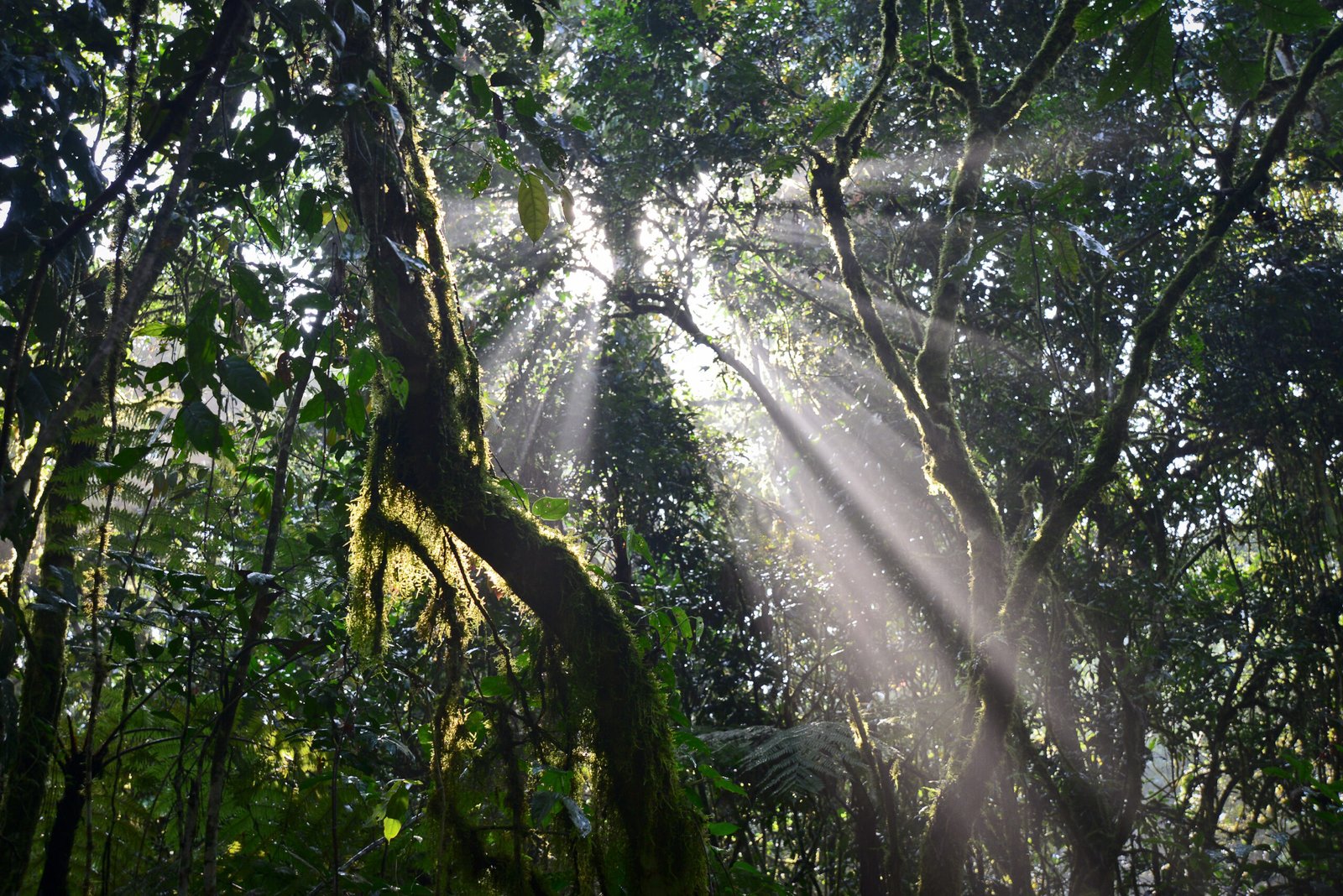
Morning mist is a common feature in Bwindi and contributes to the park’s mystical atmosphere. While mist can limit visibility early in the day, it often lifts as the morning progresses. This natural phenomenon adds to the sense of adventure and makes gorilla trekking in Uganda a truly immersive forest experience. For photographers, misty conditions can create striking and atmospheric images of both gorillas and forest landscapes.
Weather conditions also influence park logistics and travel planning. Heavy rainfall can occasionally affect road conditions, particularly on access roads near the park. Travelers planning uganda gorilla trekking are advised to allow extra travel time and arrive at Bwindi at least one day before the scheduled trek. This reduces stress and ensures readiness for the early morning start required for gorilla trekking.
Overall, Bwindi’s weather and climate are integral to its identity as a prime gorilla trekking destination. The misty forest, cool temperatures, and lush vegetation create the perfect environment for mountain gorillas and a memorable setting for visitors. Understanding these climatic patterns allows travelers to prepare effectively and embrace the conditions as part of the authentic gorilla trekking in Uganda experience.