










What Happens During Pre-Trek Briefing at Bwindi’s Park Headquarters in Each Gorilla Sector
Before embarking on any uganda gorilla trekking adventure in Bwindi Impenetrable National Park, all trekkers attend a mandatory pre-trek briefing at the park headquarters in their designated sector—Buhoma, Ruhija, Rushaga, or Nkuringo. This briefing is a critical part of gorilla trekking in Uganda, ensuring the safety of visitors, the protection of gorillas, and the smooth coordination of the trek. Understanding what to expect during this briefing helps travelers prepare mentally and physically for one of the most unforgettable wildlife experiences on the planet.
The briefing is typically conducted by experienced Uganda Wildlife Authority (UWA) rangers and guides, who are responsible for leading trekkers into the forest. It begins with an introduction to the trekking itinerary for the day, including approximate start times, estimated trek durations, and the location of the gorilla families to be visited. Depending on the sector, treks may vary in length from two to six hours, and the briefing ensures everyone understands the physical demands involved. For instance, Buhoma treks are generally moderate and suitable for beginners, while Rushaga and Nkuringo involve steeper climbs and longer distances, appealing to more experienced hikers.
One of the most crucial aspects of the briefing is the discussion of rules and etiquette while in the forest. Trekkers are instructed to maintain a minimum distance of seven meters from the gorillas at all times to prevent disease transmission and avoid disturbing their natural behavior. Visitors are advised to avoid making loud noises, sudden movements, or gestures that could startle the gorillas. Photography guidelines are emphasized, including the use of silent camera modes and avoiding flash, which can stress the animals. These instructions apply uniformly across all sectors, though guides may tailor specific advice based on the behavior of particular gorilla families and forest terrain.
Health and safety protocols are also covered extensively during the briefing. Trekkers are reminded to follow the lead of their assigned guide and ranger, wear appropriate footwear, and carry sufficient water. UWA rangers often provide tips on navigating muddy or steep trails, using trekking poles, and maintaining energy levels. In higher-altitude sectors like Ruhija, extra attention is given to altitude adjustment and acclimatization, as morning temperatures can be colder and mist can reduce visibility. Guides also explain what to do in emergencies, including minor injuries or encounters with unexpected wildlife.
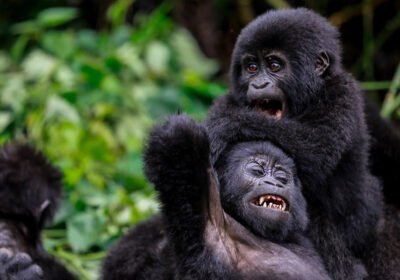
The briefing provides educational context about the gorillas themselves. Rangers explain the social structure of each gorilla family, highlighting the role of the dominant silverback, adult females, juveniles, and infants. Trekkers learn to recognize family members and understand behavior patterns such as feeding, resting, and play. In some sectors, guides discuss the specific history of habituation, which can influence how approachable the gorillas are and the likelihood of sightings. This scientific and behavioral information enhances the overall gorilla trekking in Uganda experience, allowing visitors to appreciate the complexity and intelligence of these magnificent animals.
Logistics are also addressed during the pre-trek briefing. Trekkers receive group assignments, ensuring that each family has no more than eight visitors at a time, which is a regulation designed to reduce stress on the gorillas. Guides assign trackers to accompany trekkers, often explaining how trackers’ early morning scouting determines the exact location of the gorillas. In remote sectors like Nkuringo and Rushaga, the briefing includes a discussion on transport arrangements from lodges to trailheads, emphasizing timing to maximize the one-hour viewing period with the gorillas.
Finally, the briefing encourages ethical tourism and conservation awareness. Rangers remind trekkers that their participation supports anti-poaching efforts, local communities, and habitat preservation. Many visitors leave the briefing inspired not only to encounter gorillas but also to contribute to conservation initiatives. This sense of responsibility is a hallmark of uganda gorilla trekking and reinforces the sustainable nature of tourism in Bwindi.
In conclusion, the pre-trek briefing at Bwindi’s park headquarters is an indispensable part of gorilla trekking in Uganda. It combines practical guidance on safety, logistics, and forest etiquette with education on gorilla behavior, conservation, and ecological awareness. By understanding what to expect during this briefing, travelers are better prepared to navigate the forest, interact respectfully with gorilla families, and fully immerse themselves in the once-in-a-lifetime experience of encountering one of the world’s most endangered and fascinating species.