
What Makes Gorilla Encounters in Bwindi’s Rushaga Sector Particularly Photographer-Friendly
Bwindi Impenetrable National Park is renowned worldwide for uganda gorilla trekking, offering visitors the extraordinary opportunity to observe mountain gorillas in their natural rainforest habitat. Among the park’s sectors, Rushaga stands out as particularly favorable for photographers seeking to capture intimate moments with these magnificent creatures. The combination of fewer crowds, accessible yet diverse terrain, excellent forest light, and the behavior of habituated gorilla families makes Rushaga a haven for wildlife photography and a unique destination for gorilla trekking in Uganda enthusiasts.
1. Fewer Crowds for Unobstructed Photography
One of the main advantages of Rushaga for photographers is its relative seclusion. Unlike Buhoma, which attracts the largest number of trekkers due to its accessibility and moderate trails, Rushaga sees fewer tourists, even during peak trekking seasons. With smaller groups on the trails, photographers have more freedom to position themselves without crowd interference. This creates opportunities for unobstructed shots of gorillas, particularly when capturing facial expressions, silverback gestures, and playful interactions among juveniles.
The smaller trekking groups also allow guides to give more personalized attention. Experienced guides in Rushaga understand the importance of photography and can advise on positioning, lighting, and angles while ensuring both gorilla safety and visitor compliance with UWA regulations. This results in higher-quality images and a more immersive gorilla trekking in Uganda experience.
2. Diverse Terrain and Scenic Backdrops
Rushaga’s varied terrain is another factor that enhances its photographer-friendly reputation. The sector features a mix of ridges, deep valleys, bamboo forests, and open clearings. This diversity allows photographers to capture gorillas in different settings, from dense undergrowth to misty hilltops. Panoramic vistas provide dramatic compositions where gorillas can be framed against lush green slopes or distant valleys, adding depth and context to the shots.
The sector’s topography also naturally separates gorilla groups into small pockets, making it easier to photograph individual gorillas or family interactions without visual clutter. This allows photographers to focus on details such as facial expressions, gestures, and textures of fur, rather than competing with other trekkers or obstructive foliage.
3. Optimal Forest Lighting Conditions
Lighting is critical for forest photography, and Rushaga offers excellent conditions, particularly during early morning treks. The forest canopy in this sector allows filtered sunlight to pass through, creating natural spotlighting on gorillas while maintaining a lush green background. Compared to sectors with denser undergrowth, the semi-open pathways in Rushaga prevent excessive shadowing, improving image clarity and reducing the need for artificial lighting or high ISO settings.
Soft morning light also enhances color vibrancy, highlighting the silverbacks’ silver hair, the glossy black fur of adults, and the reddish tones of juveniles’ faces. For photographers using DSLRs or mirrorless cameras, these conditions are ideal for capturing sharp, well-exposed images in a natural setting.
4. Behavior of Gorilla Families in Rushaga
Photographers benefit from the behavior patterns of Rushaga’s habituated gorilla families. These families are accustomed to human presence, moving naturally without significant fear. Silverbacks and adult females often pause to groom, feed, or interact with infants in clearings, providing photographers with extended periods for observation and shooting.
Juveniles in Rushaga are particularly playful and curious, engaging in wrestling, climbing, and gentle interactions with each other. These behaviors produce dynamic and emotive shots that are highly prized in wildlife photography. Guides often anticipate these interactions and advise photographers on positioning, allowing for perfectly timed captures of gestures, eye contact, and play.
The smaller group sizes and habituation also reduce stress on gorillas, resulting in calmer behavior. This increases the likelihood of capturing close-up images with minimal movement blur and more natural expressions. For those photographing wildlife for storytelling purposes, Rushaga provides both intimacy and authenticity.
5. Accessibility for Photographers
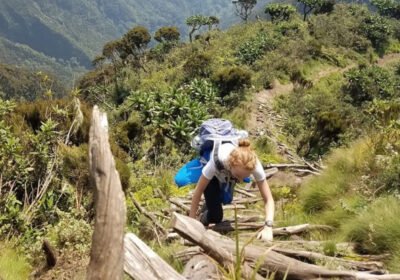
While Rushaga involves moderate to challenging trails, it is still accessible enough for photographers carrying equipment. Most guides are experienced in helping trekkers navigate safely with cameras, tripods, and lenses. Trekking poles are often used to maintain balance on uneven paths, while guides advise on where to stop to minimize disturbance to the gorillas while maximizing photographic opportunities.
Additionally, the layout of Rushaga’s trails allows photographers to move strategically without obstructing the main trekking path. The trails’ natural elevation changes create opportunities for overhead shots, wide-angle compositions, and varied perspectives, giving photographers more creative freedom compared to flatter or more crowded sectors.
6. Combining Gorilla Photography With Scenic Landscapes
Rushaga’s elevated ridges and valleys provide photographers with not just close-up shots of gorillas but also context-rich images that showcase their habitat. Panoramic shots of gorilla families with misty mountains, bamboo groves, and terraced hills in the background are highly sought after by wildlife magazines, travel blogs, and social media platforms. This combination of wildlife intimacy and landscape beauty sets Rushaga apart as a photographer-friendly sector for gorilla trekking in Uganda.
7. Tips for Maximizing Photography in Rushaga
To make the most of Rushaga’s photographic opportunities:
- Use quiet shutter modes and avoid flash to prevent disturbing gorillas.
- Bring lenses suitable for close-up portraits (telephoto) and environmental shots (wide-angle).
- Wear neutral clothing to blend with the forest surroundings.
- Start early to take advantage of soft morning light.
- Follow guide instructions carefully to maintain both safety and gorilla comfort.
Conclusion
Rushaga Sector offers an unmatched combination of fewer crowds, varied terrain, ideal lighting, habituated gorilla behavior, and scenic backdrops, making it particularly photographer-friendly. Whether capturing playful juveniles, protective silverbacks, or intimate family interactions, photographers can expect high-quality opportunities in a safe and controlled environment. For anyone seeking both adventure and the chance to capture compelling images of one of Africa’s most iconic species, Rushaga represents the pinnacle of gorilla trekking in Uganda, where wildlife photography and once-in-a-lifetime encounters seamlessly converge.