What Makes Gorilla Trekking in Mgahinga More Scenic Than Bwindi for Volcano Landscape Views?
Gorilla trekking in Uganda is globally celebrated for its rare wildlife encounters, dramatic landscapes, and profound cultural connections. While Bwindi Impenetrable National Park is the most famous destination for uganda gorilla trekking, its smaller neighbor—Mgahinga Gorilla National Park—offers a completely different visual experience. Mgahinga may host only one habituated gorilla family (the Nyakagezi group), but what it lacks in numbers it more than compensates for with scenery. The park sits on the slopes of the Virunga Volcanoes, giving trekkers panoramic, wide-open views that Bwindi’s dense forest canopy rarely reveals.
If you’re drawn to mountain landscapes, cinematic photography, and trekking routes that blend high-altitude adventure with volcanic drama, Mgahinga might be the most scenic destination for gorilla trekking in Uganda. Below is a detailed look at what sets Mgahinga apart and why its landscapes remain unmatched.
1. The Virunga Volcano Backdrop Creates a Cinematic Setting
The single most striking difference between Bwindi and Mgahinga is the skyline. Mgahinga sits within the Virunga Conservation Area, a transboundary mountain system shared with Rwanda and the Democratic Republic of Congo. Three of the volcanoes dominate the park’s horizon:
- Mount Muhabura (4,127m)
- Mount Gahinga (3,474m)
- Mount Sabyinyo (3,669m)
When trekking in Mgahinga, these towering peaks remain in view for most of the hike. They create a dramatic, larger-than-life backdrop that adds depth and scale to every step. Trekkers often describe the scene as “walking through a living postcard,” something that rarely happens during gorilla trekking in Uganda elsewhere.
Bwindi, on the other hand, is a dense rainforest with limited long-distance visibility. Its beauty lies in its ancient foliage and cloud-covered ridges, but it does not offer the same open, sweeping vistas that Mgahinga provides.
2. Open Bamboo Zones Offer More Light and Clearer Photographic Opportunities
Mgahinga’s vegetation zones are dominated by bamboo forests, open montane vegetation, and high-altitude shrubland. These habitats allow more sunlight to penetrate the forest, which dramatically improves visibility during gorilla trekking. Photographers particularly appreciate:
- Less shadow interference
- Better contrast
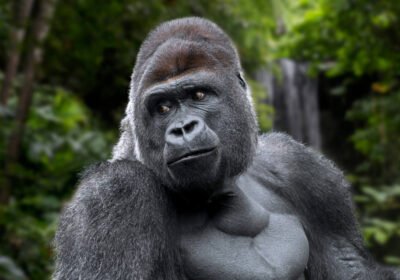
- Clearer framing of gorillas
- More space between vegetation and subjects
This is ideal for capturing silverbacks, juveniles, and mothers in natural poses without struggling against thick vines or darkness. In contrast, Bwindi’s rainforest is deeply shaded, damp, and often misty—beautiful, yes, but more challenging for photography.
3. The Nyakagezi Family Moves in Open, More Scenic Terrain
Mgahinga’s only habituated gorilla group, the Nyakagezi family, is known for staying within easily accessible and visually attractive areas of the park. Although they once roamed widely across borders, they have remained in Mgahinga for several years, making sightings more stable.
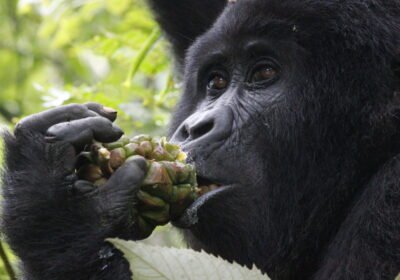
What makes Nyakagezi particularly special is their preference for feeding in open spaces, such as:
- Bamboo clearings
- Sunlit glades
- Gentle volcanic slopes
- Scenic resting spots
These open areas give trekkers and photographers a front-row seat to gorilla behavior while still surrounded by the majestic Virunga peaks. This combination—gorillas plus dramatic landscapes—is one of the reasons Mgahinga is increasingly appearing on itineraries for gorilla trekking in Uganda.
4. Mgahinga Offers a Strong Sense of Space and Elevation
Standing on the slopes of Mgahinga gives trekkers an immense sense of altitude and openness. Views stretch over:
- Southwestern Uganda
- Rwanda’s Volcanoes National Park
- Congo’s Virunga National Park
- The ridges of Lake Mutanda
- Far-off terraced hills and valleys
This transboundary scenery offers a sense of geographical scale that Bwindi’s thick forests conceal. For many travelers, the combination of rugged terrain and panoramic horizons creates the most beautiful trekking environment in the country.
5. Less Crowding Means a More Immersive Scenic Experience
Mgahinga receives far fewer trekkers compared to Bwindi. With only one habituated group and limited daily permits, the park feels quieter, more intimate, and more wild. This reduced traffic adds to the scenic atmosphere—trekkers often describe the experience as “private,” “serene,” or even “spiritual.”
With fewer people on the trails, you feel closer to nature, closer to the volcanoes, and far more connected to the environment. The silence and space amplify the beauty of the journey.
6. Mgahinga Allows You to Combine Gorilla Trekking With Volcano Hiking
This park is the only place in Uganda where you can combine gorilla trekking with a full volcano summit hike. Trekkers often add:
- Mount Sabyinyo hike, famous for its triple-border summit
- Mount Muhabura hike, a challenging but rewarding climb with crater views
- Mount Gahinga hike, with a swamp-filled crater at the top
These mountains rise directly above the gorilla trekking terrain, adding to the dramatic visual setting. The ability to combine both experiences enhances the scenic value of a safari here.
7. Clouds, Mist, and Light Effects Create Magical Volcano Atmospheres
The microclimate around the Virunga Volcanoes creates mesmerizing lighting conditions throughout the day. Playful clouds wrap around the peaks, creating mystic scenery. Morning light often illuminates the bamboo zones, and trekkers see birds, golden monkeys, and lush green slopes glowing under sunlight.
Photographers love:
- Morning fog lifting off the volcanoes
- Soft, diffused light
- Dramatic ridges forming silhouettes
- Mist interacting with gorilla subjects
This blend of geology and atmosphere is unique to Mgahinga.
Conclusion: Mgahinga Is a Scenic Jewel for Gorilla Trekking in Uganda
While Bwindi offers dense, ancient rainforest beauty, Mgahinga provides an entirely different—and often more visually spectacular—experience. The combination of volcanoes, open vegetation, bamboo zones, and far-reaching views makes Mgahinga ideal for trekkers who value scenery as much as wildlife encounters. For photography, dramatic landscapes, and peaceful trekking routes, Mgahinga remains one of East Africa’s most breathtaking destinations.