One of the most important aspects to understand when planning Uganda tours is the significant variation in forest elevation across Bwindi Impenetrable National Park. The park is located in southwestern Uganda and stretches from approximately 1,160 meters above sea level to over 2,600 meters at its highest ridges. These elevation changes have a direct impact on trekking difficulty and wildlife behavior, which makes them a critical consideration for any safari in Uganda.
Elevation Challenges Across the Four Sectors
Bwindi’s trekking sectors—Buhoma, Ruhija, Rushaga, and Nkuringo—each present different altitude challenges for the visitor. The northern Buhoma sector tends to offer moderate elevation shifts along well-maintained paths; consequently, it is often recommended for older travelers or those seeking a gentler safari in Uganda. Conversely, Ruhija sits at a higher altitude (approximately 2,500 meters) and includes more gradual ascents that can feel challenging due to the thinner air.
The southern sectors of Rushaga and Nkuringo combine high elevations with rugged terrain and steep slopes. Therefore, a good level of physical condition is required for these areas to manage the strenuous climbs. By understanding these shifts, visitors can choose the sector that best matches their fitness during their Uganda tours.
Pacing and Acclimatization for High-Altitude Treks
Elevation directly influences trekking duration and the overall intensity of the experience. Higher areas require slower pacing to allow the body to adapt to reduced oxygen levels; furthermore, trekkers may notice an increased heart rate and shortness of breath during steep ascents. Awareness of these factors is crucial for ensuring safety during any safari in Uganda.
To manage these challenges, proper preparation is essential. Staying in lodges close to the park gate provides extra time to acclimatize to the local altitude. Additionally, hydration is considered vital for minimizing the risk of altitude-related fatigue. Morning briefings conducted by rangers also help trekkers understand the expected profile of their specific route, ensuring that everyone is mentally prepared.
Climate Variability and Biodiversity
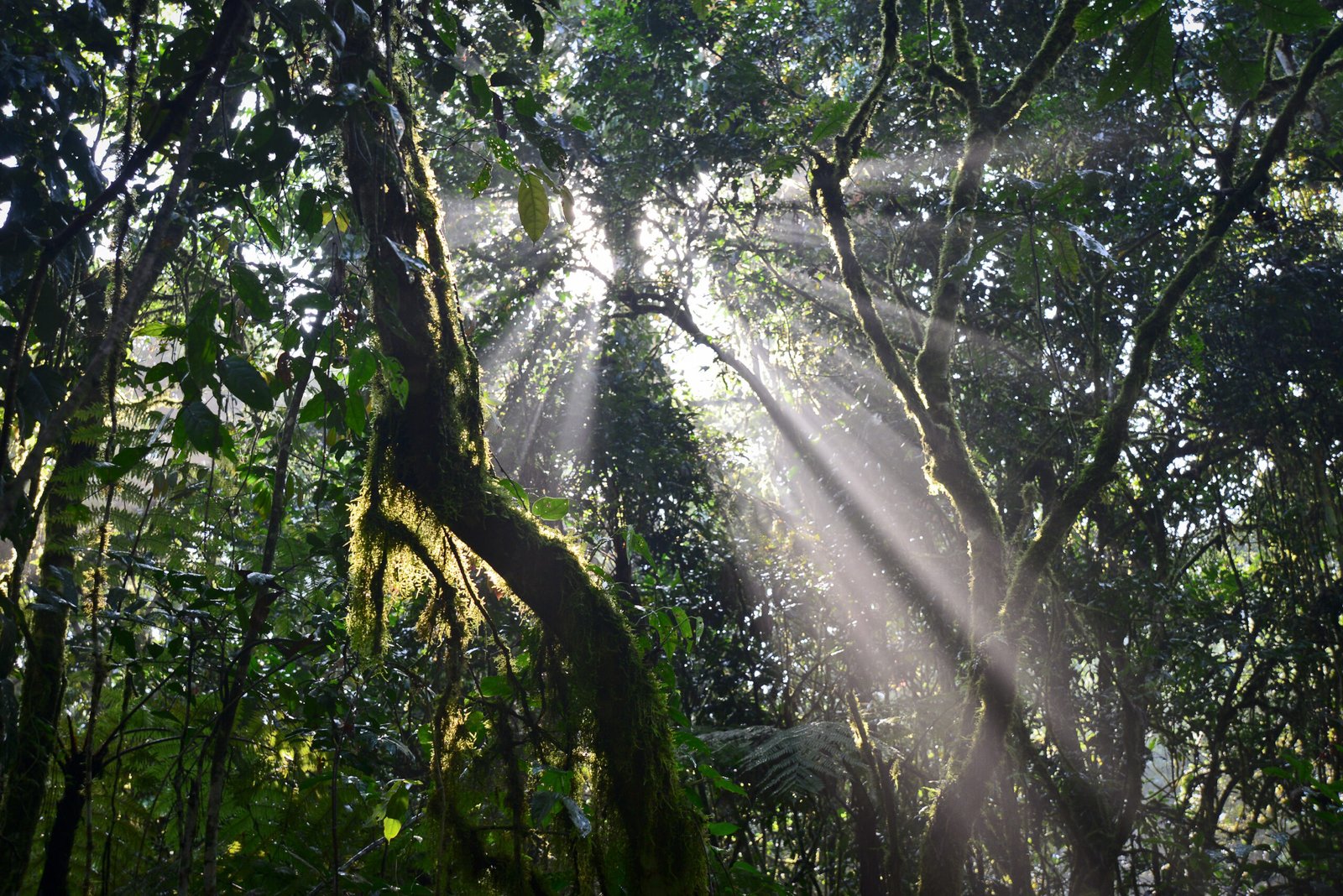
Forest elevation also affects the microclimate and biodiversity along the trekking routes. Higher elevations are generally cooler and mistier, which provides a refreshing environment but also increases the risk of slippery trails. On the other hand, lower elevations may be warmer and more humid. This variability impacts photography conditions, as mist and filtered sunlight create unique lighting opportunities.
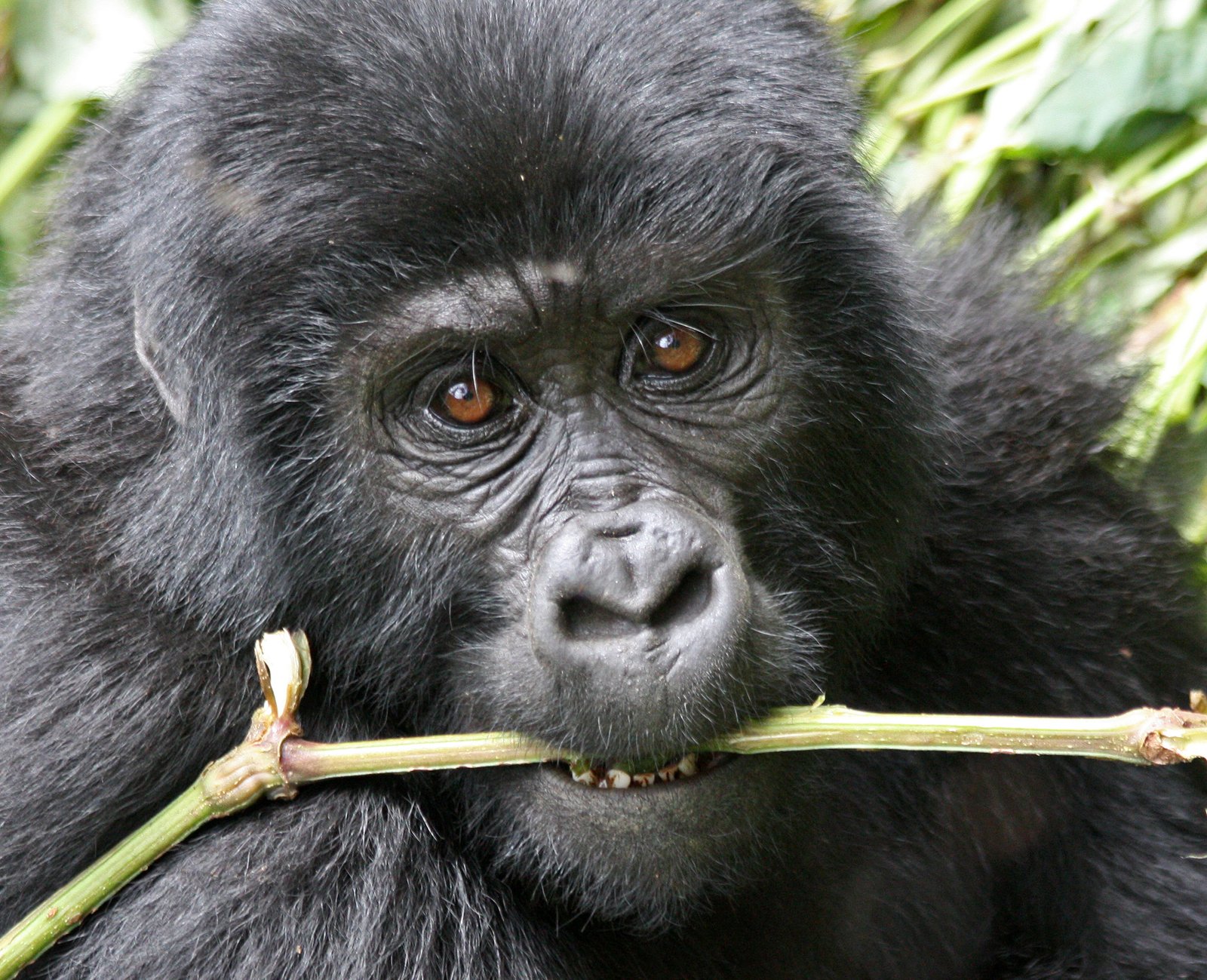
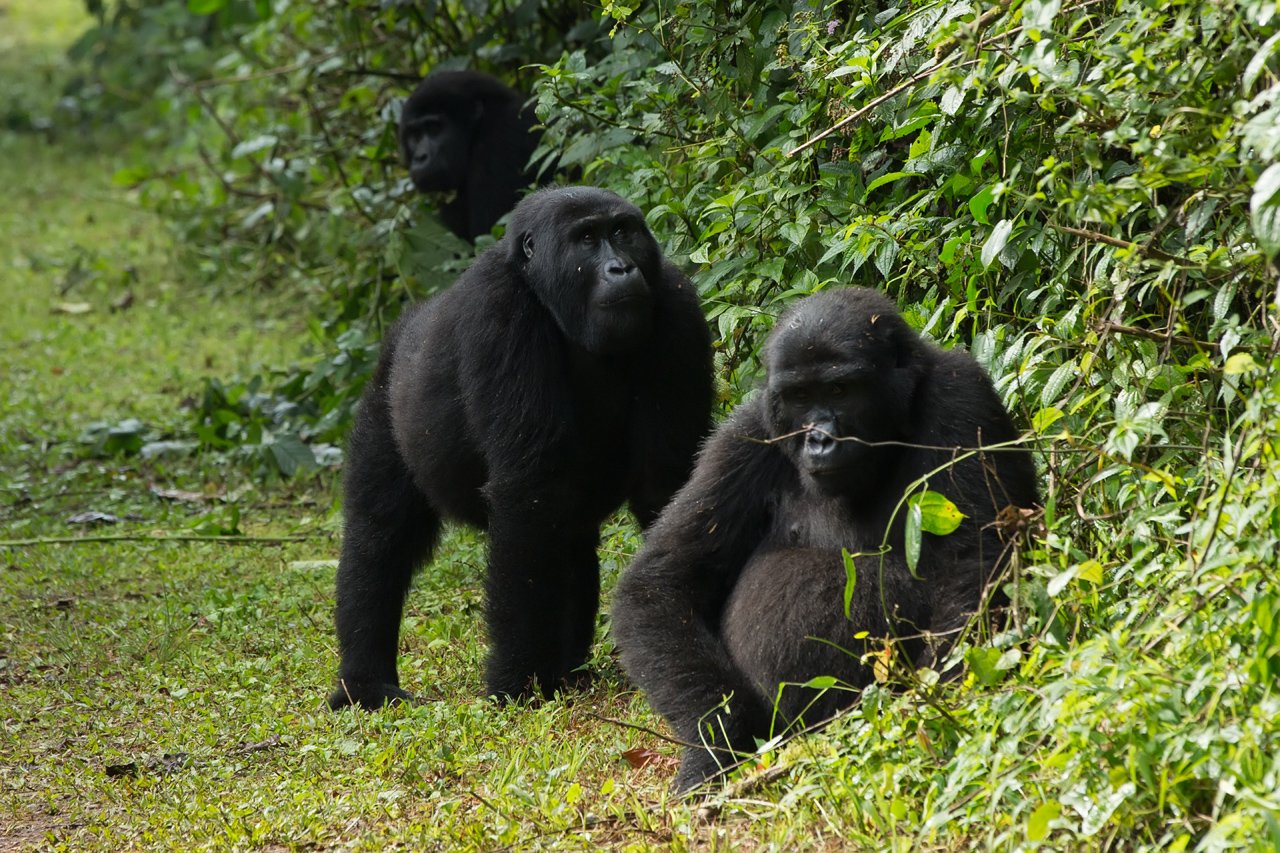
Biodiversity is also shaped by the elevation gradient. Different altitudes support different plant species, and gorilla feeding behavior is influenced by these variations. For example, families at higher elevations may feed on bamboo shoots, while those at lower levels rely on forest shrubs. This ecological diversity enriches the overall Uganda safaris experience, offering educational value alongside the physical challenge.
Bwindi Sector Elevation Guide (2026)
| Sector | Avg. Elevation | Terrain Difficulty | Notable Feature |
| Buhoma | 1,400m – 1,600m | Low to Moderate | Oldest habituated group (Mubare). |
| Ruhija | 2,100m – 2,500m | Moderate (Altitude) | High-altitude forest & birding. |
| Rushaga | 1,900m – 2,200m | Moderate to High | Highest number of gorilla families. |
| Nkuringo | 2,100m – 2,600m | High | Steepest slopes; best volcanic views. |
Ultimately, understanding elevation is vital for anyone planning a safari in Uganda. By considering these factors when selecting a sector, travelers can ensure a safe and rewarding encounter. The scenic perspectives from Bwindi’s high ridges create memorable moments that extend far beyond the encounter with the mountain gorillas themselves.