
Why Mgahinga Gorilla Treks Offer Unique Opportunities to See Gorillas on Open Bamboo Slopes
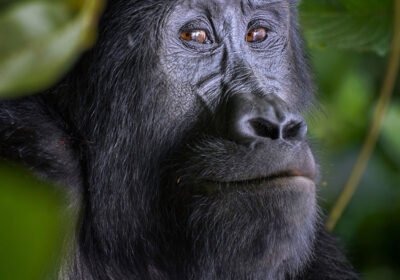
While Bwindi Impenetrable National Park remains the most famous destination for gorilla trekking in Uganda, many experienced trekkers and wildlife photographers consider Mgahinga Gorilla National Park a hidden gem. Its open bamboo slopes, volcanic scenery, and dramatic landscape create a uniquely rewarding environment for observing mountain gorillas. Mgahinga is home to the Nyakagezi gorilla family, renowned for its stability, predictable movements, and preference for spacious bamboo forests. These ecological features make Mgahinga one of the best destinations for travelers seeking clearer views, easier photography conditions, and more scenic trekking routes during their uganda gorilla trekking adventure.
One of the most distinctive aspects of Mgahinga is its bamboo zone. Unlike Bwindi’s dense, tangled rainforest dominated by thick foliage and limited visibility, Mgahinga’s lower slopes open into vast bamboo forests. These areas offer a clearer line of sight, making it easier for trekkers to observe gorillas from comfortable distances while still respecting viewing guidelines. The spaciousness allows natural light to reach ground level, improving photographic quality and reducing the need to adjust ISO settings or battle deep shadows. For many visitors, this environment offers a more relaxed and visually rewarding form of gorilla trekking in Uganda.
The topography of Mgahinga also plays a major role in enhancing the gorilla trekking experience. The park sits on the slopes of three dramatic volcanoes—Mount Gahinga, Mount Muhabura, and Mount Sabyinyo—each contributing to a landscape of sweeping ridges, open hillsides, and high-altitude meadows. These scenic backdrops provide breathtaking surroundings as trekkers ascend and descend through the bamboo zone and higher montane forests. While the terrain is still moderately challenging, it is generally less rugged and less densely forested than the steep, thickly vegetated slopes found throughout Bwindi. Trekkers often describe Mgahinga as more open, airy, and visually panoramic.
Another key reason Mgahinga offers unique opportunities to observe gorillas is the behavior and composition of the Nyakagezi family. Unlike some gorilla groups that move deep into thick vegetation, Nyakagezi gorillas frequently feed and rest in open spaces, especially during bamboo shoot seasons. Bamboo shoots are a favorite food source for mountain gorillas, rich in nutrients and abundant on Mgahinga’s slopes. When bamboo shoots are plentiful, gorillas often gather in clusters in open patches, making sightings easier and clearer. Photographers appreciate this predictable feeding behavior because it allows for extended observation without obstructive foliage.
Mgahinga also provides a quieter, more exclusive trekking experience. While Bwindi hosts multiple trekking groups daily across its four sectors, Mgahinga typically offers only one gorilla family for trekking. This means fewer tourists, less congestion at briefing points, and a more intimate connection with nature. For travelers seeking solitude and serenity during uganda gorilla trekking, Mgahinga is unmatched. The limited daily permits contribute to a premium-quality encounter, where trekkers can move freely, maintain a comfortable distance, and spend their one hour with the gorillas without crowding.
The lighting conditions in Mgahinga are remarkably favorable for photography. Because bamboo forests permit more natural light compared to Bwindi’s dense canopy, images come out clearer, sharper, and more vibrant. Photographers can take advantage of wide-angle shots that include gorillas framed against vast mountain slopes, golden light filtering through bamboo stems, or the dramatic outlines of volcanic peaks. These aesthetic qualities make Mgahinga particularly appealing for wildlife photographers seeking magazine-quality images of gorilla trekking in Uganda.
Another unique aspect of Mgahinga is the incredible diversity of habitats within a relatively small area. Trekkers often move through several distinct ecosystems during their trek—starting from montane woodland, ascending into bamboo forests, and sometimes reaching higher altitudes with sparse vegetation and volcanic rock formations. This variety adds excitement and educational value to the trek, giving travelers a sense of how gorillas adapt to different environments. Compared to Bwindi, where dense forest dominates most routes, Mgahinga’s ecological diversity offers a refreshing and visually stimulating alternative.
The cultural experience in Mgahinga also enhances the overall trekking adventure. The park borders communities of the Batwa people, who have a deep ancestral connection to the forests and volcanoes. After trekking, many visitors participate in Batwa cultural encounters to learn about their traditions, forest survival skills, and historical relationship with the mountains. While cultural visits are available in Bwindi as well, Mgahinga’s close proximity to Batwa heritage sites makes the post-trek cultural experience feel more integrated and authentic.
Another advantage of trekking in Mgahinga is that the trails are generally shorter and more predictable. Because the Nyakagezi family is known for its loyalty to a specific home range, tracking routes often remain consistent from week to week. Trekkers rarely face long hours of searching through steep terrain, as can sometimes happen in Bwindi when families move deeper into the forest. This predictability makes Mgahinga ideal for older travelers, families with teenagers, or trekkers seeking a moderate physical challenge rather than a strenuous expedition.
In conclusion, Mgahinga Gorilla National Park stands out as a unique and rewarding destination for gorilla trekking in Uganda thanks to its open bamboo slopes, dramatic volcanic landscape, stable gorilla family, and excellent photography conditions. The combination of scenic beauty, improved visibility, and a quieter trekking experience makes Mgahinga an exceptional choice for travelers seeking a more relaxed yet visually stunning encounter with mountain gorillas. For photographers, nature lovers, and trekkers looking for something different from the dense rainforest of Bwindi, Mgahinga offers an unforgettable alternative.