


Why Mgahinga Volcano Slopes Provide Easier Hiking Paths for Gorilla Trekking Than Bwindi
For travelers seeking a less strenuous yet equally rewarding uganda gorilla trekking experience, Mgahinga Gorilla National Park offers a compelling alternative to Bwindi Impenetrable National Park. The park’s volcanic slopes, gentler gradients, and well-defined trails make it particularly suitable for visitors looking for gorilla trekking in Uganda without the steep, rugged terrain commonly found in Bwindi. Understanding why Mgahinga provides easier hiking paths helps travelers plan treks that balance comfort, adventure, and wildlife encounters.
One of the main reasons Mgahinga is easier for trekking is its gradual volcanic terrain. Unlike Bwindi, where trekkers navigate steep ridges, deep valleys, and dense forest undergrowth, Mgahinga’s trails follow the slopes of extinct volcanoes such as Mount Sabinyo, Mount Gahinga, and Mount Muhavura. These volcanoes rise steadily, creating smooth elevation gains that are easier to climb, even for visitors with moderate fitness levels. The gentle ascent reduces fatigue and allows trekkers to conserve energy for observing mountain gorillas, making the experience accessible to families, elderly travelers, and first-time participants in uganda gorilla trekking.
Trail design and maintenance are additional factors contributing to the ease of trekking in Mgahinga. The Uganda Wildlife Authority has carefully constructed and maintained walking paths that are wide, clearly marked, and free from excessive undergrowth. Many trails follow natural contours along volcanic ridges, minimizing the need for scrambling over roots, rocks, or slippery slopes. In contrast, Bwindi’s rainforest environment features denser vegetation, uneven surfaces, and frequent mud patches, particularly after rain, which increases the physical challenge of gorilla trekking in Uganda. For visitors seeking manageable trekking conditions without compromising the richness of the wildlife experience, Mgahinga offers an ideal alternative.
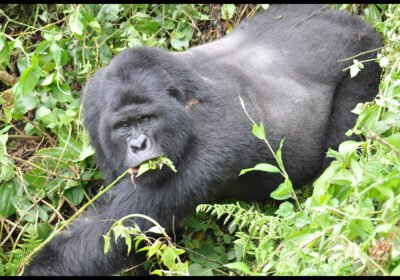
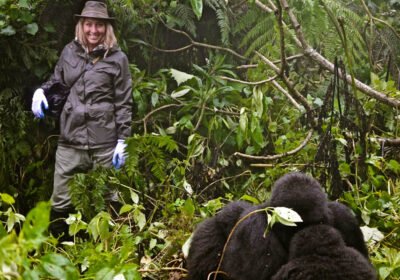
The distribution of gorilla families in Mgahinga further contributes to shorter, less physically demanding treks. The park is home to a limited number of habituated gorilla groups, and their home ranges are generally smaller compared to Bwindi’s extensive sectors. As a result, trekkers often spend less time navigating long distances through difficult terrain to reach gorillas. While Bwindi can require four- to six-hour hikes to reach certain families in Nkuringo or Rushaga, Mgahinga treks typically range from one to three hours, providing an accessible yet deeply engaging gorilla trekking in Uganda experience.
Weather and climate also play a role in trekking ease. Mgahinga’s volcanic slopes are generally drier and less humid than Bwindi’s high-altitude rainforest, reducing the challenges posed by slippery trails and damp clothing. Moderate temperatures along the slopes contribute to more comfortable trekking conditions, allowing visitors to maintain energy levels and enjoy prolonged observation of gorillas once they are located. Photographers, nature enthusiasts, and casual trekkers alike benefit from these favorable conditions during uganda gorilla trekking.
The gentler hiking environment in Mgahinga also enhances safety. Steep and uneven terrain in Bwindi increases the risk of slips, trips, or minor injuries, particularly for less experienced trekkers. In Mgahinga, the smoother trails and predictable paths allow visitors to focus on wildlife observation, photography, and immersion in the forest rather than on navigating hazardous sections. This increased safety is especially valuable for families, elderly visitors, or those new to mountain trekking, making Mgahinga a popular choice for accessible yet authentic gorilla trekking in Uganda.
Despite the easier terrain, Mgahinga offers a rich and fulfilling wildlife experience. In addition to observing mountain gorillas, trekkers encounter diverse bird species, forest monkeys, and rare plants along volcanic slopes. The combination of gentle hikes, spectacular views from the ridges, and immersive encounters with wildlife ensures that the adventure is memorable without the extreme physical demands often associated with Bwindi.
Moreover, accommodation options near Mgahinga’s gorilla trekking starting points enhance convenience and readiness. Lodges, eco-camps, and guesthouses provide comfortable facilities close to trailheads, reducing travel time and allowing trekkers to begin early morning hikes refreshed and prepared. This proximity further improves the overall uganda gorilla trekking experience, allowing visitors to maximize their time observing gorillas rather than spending hours on challenging access roads.
In summary, Mgahinga Volcano slopes provide easier hiking paths for gorilla trekking in Uganda due to gentle volcanic gradients, well-maintained trails, smaller gorilla home ranges, favorable climate, and improved safety conditions. While Bwindi offers a more challenging rainforest trek, Mgahinga appeals to travelers seeking manageable yet deeply immersive encounters with mountain gorillas. The combination of accessible hiking, rich wildlife, and breathtaking scenery ensures that uganda gorilla trekking in Mgahinga is both rewarding and attainable for a wide range of visitors.