















Why Rushaga Stands Out for Infant Gorilla Sightings

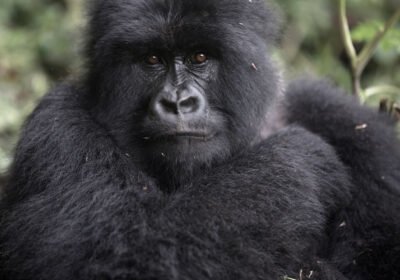
For wildlife lovers and photographers planning immersive Uganda tours, the Rushaga sector of Bwindi offers a rewarding setting for memorable encounters. This southern region is widely appreciated for its high probability of infant sightings, which adds emotional depth to any safari in Uganda. While mountain gorillas can be observed year-round, specific seasonal windows increase the chances of seeing playful young gorillas interacting within their families.
Habituated Families and Active Breeding
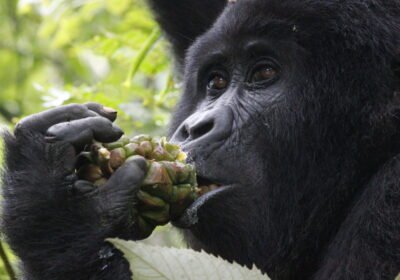
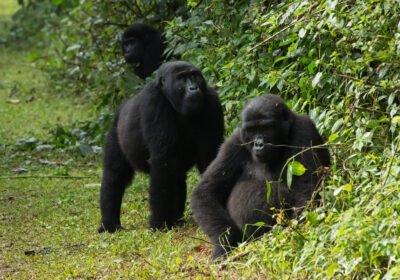
Rushaga is home to several well-monitored families that are followed daily by experienced trackers. Because many of these groups include multiple breeding-age females, infant births are recorded with encouraging regularity, creating dynamic environments for Uganda safaris. Young gorillas frequently engage in play or cling to their mothers; consequently, photographers are provided with lively behavioral moments.
These natural interactions transform a standard trek into a deeply engaging experience. Furthermore, visitors do not simply see gorillas; instead, they witness nurturing and social bonding that reveal the species’ intelligence.
Seasonal Patterns and Visibility
Mountain gorilla reproduction follows biological rhythms influenced by food availability and environmental stability. Long-term observations suggest that infants born during the dry seasons are increasingly seen in the months that follow. Therefore, travelers who time their Uganda tours carefully may experience higher probabilities of seeing energetic young gorillas.
Additionally, dry months improve trekking comfort because trails remain firmer. With clearer sightlines and smoother hiking conditions, the likelihood of uninterrupted viewing increases, which strengthens the satisfaction of a safari in Uganda.
Terrain and Expert Tracking
Rushaga’s landscape combines bamboo zones and gently sloping ridges, which allow families to be viewed with fewer obstructions. Specifically, infants may be seen climbing low branches or riding on their mothers’ backs in well-lit clearings. Because ranger guidance is carefully managed, these opportunities remain ethical and non-intrusive.
Moreover, trackers in Rushaga possess detailed knowledge of individual family movements. Their expertise allows them to anticipate where infants are likely to be active. This professional insight enriches the educational value of the tour, turning each sighting into a meaningful learning moment.
Why Choose Rushaga?
| Feature | Benefit to the Photographer |
| Breeding Groups | Higher frequency of newborns and infants. |
| Open Canopy | Better natural light for high-quality imagery. |
| Bamboo Zones | Unique backdrops not found in all sectors. |
| Behavioral Depth | Opportunities to capture play and nursing. |
Conclusion: Heartwarming Encounters
Ultimately, Rushaga’s combination of active families and favorable terrain makes it a premier choice for infant sightings. Travelers gain enhanced opportunities for photography and emotional connection within Bwindi’s rainforest. For those seeking the most touching moments of gorilla life, Rushaga is considered a standout destination within expertly crafted Uganda tours.