Why Rwanda Excels in Drone-Free Gorilla Photography
Rwanda has firmly positioned itself as one of Africa’s most photographer-friendly gorilla trekking destinations, particularly for travelers focused on ethical, drone-free wildlife photography. Drones are strictly prohibited in Volcanoes National Park, just as they are during gorilla trekking in Uganda. Therefore, photographic quality depends entirely on natural light, terrain, visibility, and proximity. In all these aspects, Rwanda consistently excels. Many photographers who have experienced gorilla trekking in Uganda note that Rwanda offers cleaner sightlines, softer light, and easier ground positioning for handheld and long-lens photography.
Open Bamboo Forests and Clear Sightlines
One of Rwanda’s greatest advantages for photography is the open structure of its bamboo forests. Unlike the dense, layered vegetation typical of Bwindi Impenetrable Forest, Rwanda’s habitat allows more light to penetrate the forest floor. As a result, photographers can frame gorillas without heavy foreground clutter or deep shadows. Movement through the forest also feels easier, allowing subtle angle adjustments and more deliberate composition. These conditions reduce reliance on artificial tools and reward patient, ground-level photography.
Soft Mountain Light and Atmospheric Mist
In addition, Rwanda’s high-altitude environment creates exceptionally favorable lighting conditions. Morning mist drifting through the Virunga Volcanoes diffuses sunlight naturally, softening contrasts and adding emotional depth to images. When gorillas emerge through fog or rest in open clearings, scenes appear cinematic without aerial perspectives. Although mist also occurs during gorilla trekking in Uganda, Rwanda’s volcanic altitude produces more consistent and visually stable conditions, which photographers greatly appreciate.
Predictable Treks and Photographer Endurance
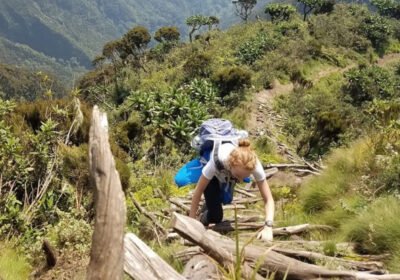
Another important factor is the predictability of Rwanda’s trekking routes. Gorilla families are tracked daily by experienced teams who locate nest sites at dawn. Consequently, treks are often shorter and more efficient. Photographers usually arrive with enough energy to focus fully on framing, exposure, and timing. In contrast, gorilla trekking in Uganda can involve long, steep hikes that leave photographers physically drained before their one-hour viewing window even begins.
Open Gorilla Behavior and Natural Composition
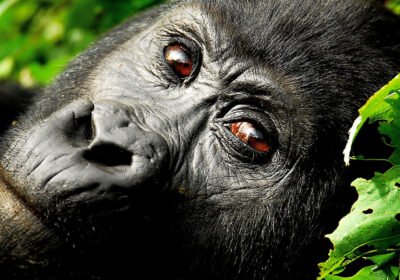
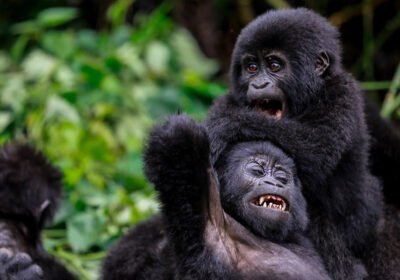
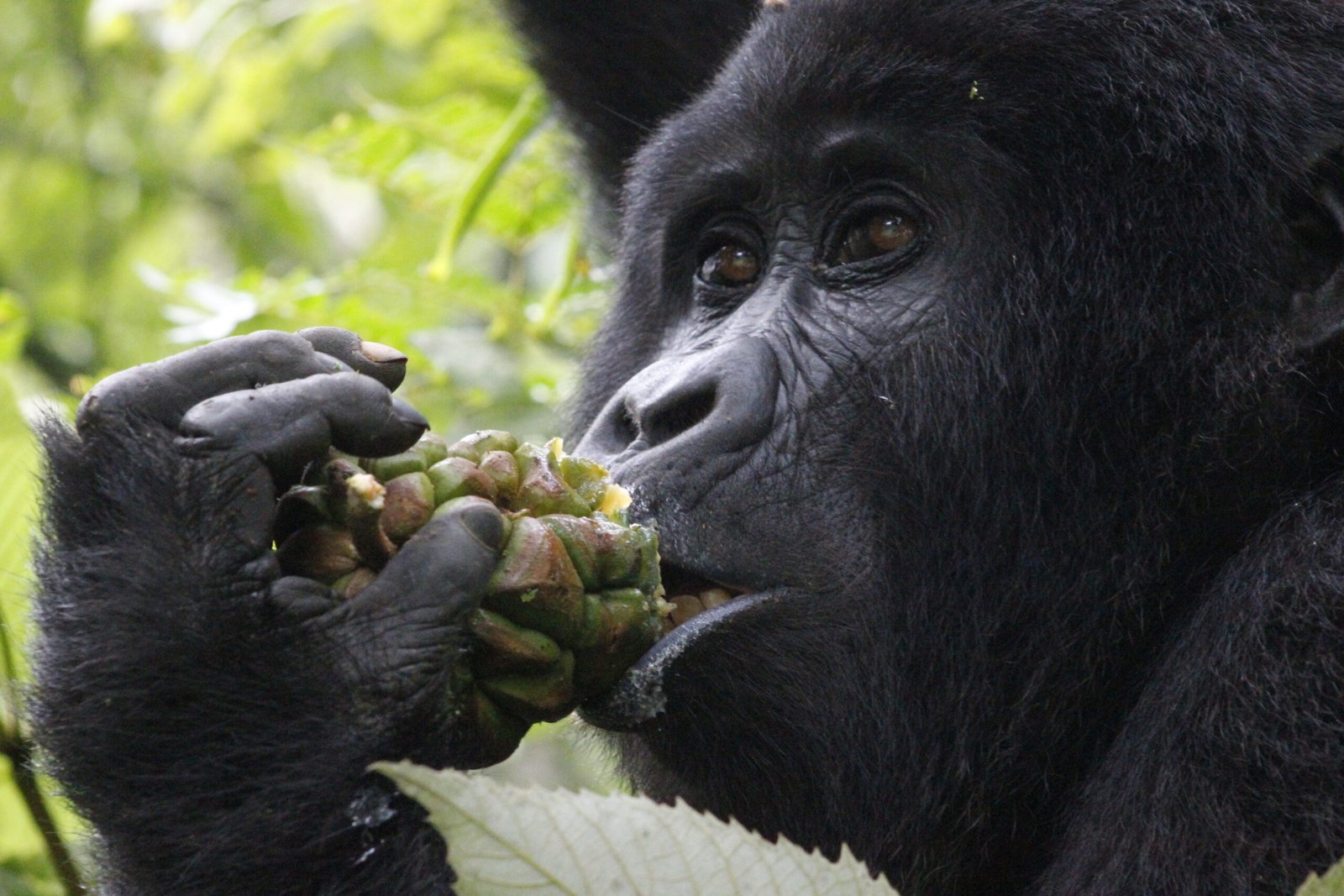
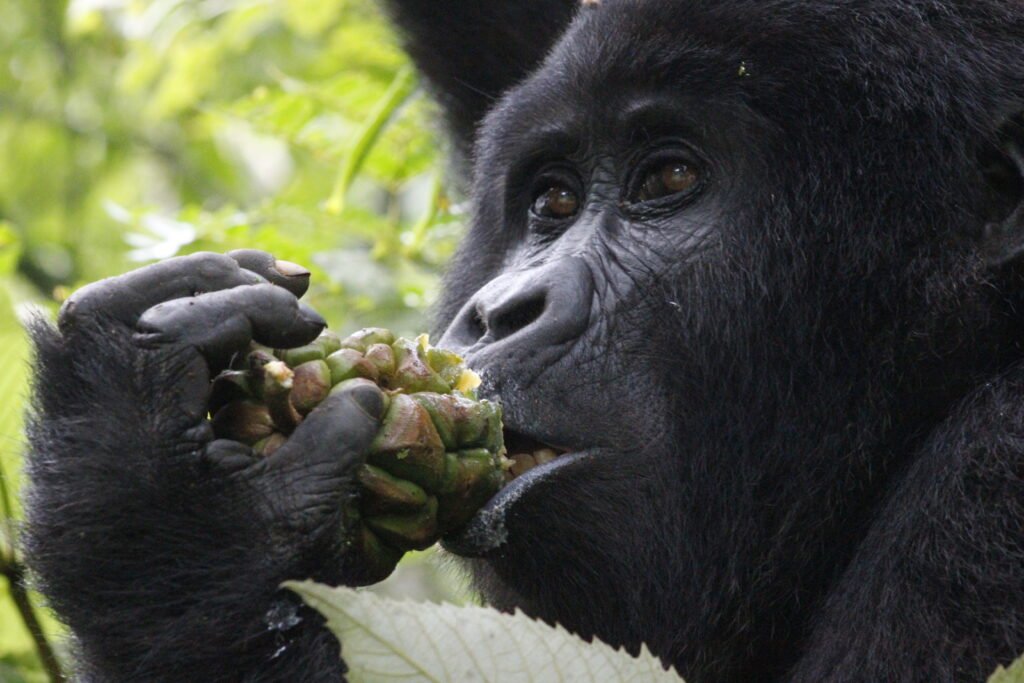
Gorillas in Volcanoes National Park frequently spend time in bamboo clearings and open feeding zones. This behavior creates natural opportunities to photograph grooming, chest-beating, feeding, resting, and playful interactions without visual obstruction. Full-body portraits, expressive facial close-ups, and wide family compositions become easier to capture. While gorilla trekking in Uganda offers intimate encounters, dense vegetation often limits wider compositions and background context.
Ethical Management and Calm Viewing Conditions
Rwanda’s strict conservation framework also enhances photography. Only eight trekkers are permitted per gorilla family, and ranger positioning is carefully managed. This creates space for photographers to work without crowd interference. Because drones are prohibited and noise is minimized, gorillas remain relaxed and undisturbed. Calm behavior translates directly into better photographic moments, making aerial tools unnecessary.
Ranger and Porter Support for Photographers
Professional ranger guides and porters further improve ground-based photography. Porters assist with heavy equipment and provide stability on uneven terrain, while rangers offer guidance on behavior cues and safe positioning. Their experience helps photographers anticipate movement and capture decisive moments. This level of on-ground support makes drone footage redundant.
Volcanic Backdrops and Visual Drama
Rwanda’s dramatic landscapes add a final visual advantage. Even without drones, photographers can frame gorillas against misty volcanoes, rolling hills, and textured bamboo slopes. These natural backdrops add scale and storytelling power to images. In comparison, rainforest settings during gorilla trekking in Uganda often limit background visibility due to thick canopy cover.
Habituated Families and Photogenic Behavior
Decades of research and habituation have produced gorilla families known for calm, tolerant behavior. Groups such as Amahoro, Sabyinyo, and Kwitonda are especially admired for their relaxed demeanor. This allows photographers to work patiently and capture nuanced expressions without stress or sudden movement.
Conclusion: Rwanda as a Photographer’s Ideal Gorilla Destination
In conclusion, Rwanda offers exceptional conditions for drone-free gorilla photography through open bamboo forests, soft mountain light, predictable trekking routes, calm gorilla behavior, and dramatic volcanic scenery. While gorilla trekking in Uganda delivers powerful rainforest imagery, Rwanda stands out for clarity, visibility, and ethical ease. For photographers seeking authentic, emotionally rich, and conservation-aligned gorilla images, Rwanda remains one of Africa’s finest destinations.