


Why Rwanda Gorilla Trekking Packages Sell Out Early and How to Book During Peak Season
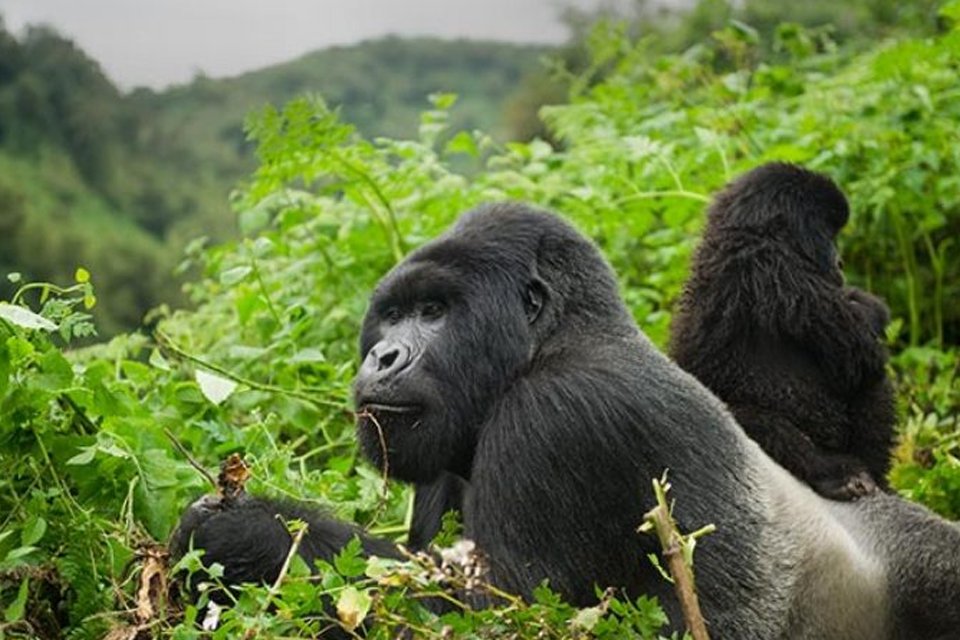
Rwanda is one of the most in-demand gorilla trekking destinations in the world, and its packages often sell out months in advance—especially during peak travel seasons. With limited daily permits, high global demand, and increasing popularity among luxury safari travelers, securing a Rwanda gorilla trekking package requires careful planning. While gorilla trekking in Uganda also experiences high demand, Rwanda’s smaller trekking capacity and premium positioning make early booking particularly essential.
One of the biggest reasons packages sell out early is the strict limit of 96 daily permits, corresponding to the limited number of habituated gorilla families. This cap ensures ethical wildlife viewing but also creates scarcity. In high season—June to September and December to February—demand skyrockets as travelers align their Rwanda safari with East Africa’s Great Migration or holiday travel schedules.
Rwanda’s reputation as an ultra-luxury destination has also contributed to early sell-outs. High-end travelers, honeymoon couples, corporate incentive groups, and photography enthusiasts flock to Volcanoes National Park due to its scenic beauty, shorter treks, and refined hospitality. Ultra-luxury lodges like Singita Kwitonda, Bisate, One&Only Gorilla’s Nest, and Sabyinyo Silverback Lodge often reach full occupancy months ahead of time, especially since many suites accommodate only a few guests.
Another reason for high demand is Rwanda’s exceptional accessibility. Kigali International Airport is only 2.5 hours from Volcanoes National Park, making Rwanda the easiest gorilla trekking destination for time-conscious travelers. Those who may find gorilla trekking in Uganda logistically more complex often choose Rwanda for its seamless experience.
To secure permits during peak season, travelers should book at least 6 to 12 months in advance, especially if they intend to stay at top-end lodges. Booking through a reputable tour operator ensures priority permit access and coordinated logistics. Operators often hold pre-reserved blocks for peak months, giving their clients early access even when public permits appear sold out.
Flexibility in travel dates also increases the chances of securing a permit. Travelers who can shift their trip by a few days or weeks stand a much greater chance than those with rigid timelines. Avoid waiting for last-minute availability—Rwanda rarely has cancellations during peak season.
Travelers seeking alternatives should consider shoulder seasons—March to May and October to November. These months offer easier booking, lush scenery, and lower lodge rates, though rainfall is more frequent. Trekkers who have experienced gorilla trekking in Uganda during rainy seasons often find Rwanda’s bamboo habitat more manageable despite wet conditions.
Another tip is to combine Rwanda with other destinations such as Kenya, Tanzania, or Uganda. Starting with gorilla trekking in Uganda and finishing in Rwanda offers two primate experiences and increases permit flexibility. Tour operators can create hybrid itineraries that optimize availability.
In conclusion, Rwanda gorilla trekking packages sell out early due to limited permits, luxury demand, excellent infrastructure, and global popularity. To secure a peak-season experience, travelers must book months in advance, work with reliable operators, remain flexible with dates, and consider shoulder seasons or multi-country safaris. Whether compared to or combined with gorilla trekking in Uganda, Rwanda remains a top-tier destination where early planning ensures an unforgettable adventure.