Why Rwanda Leads Africa in Gorilla Photography
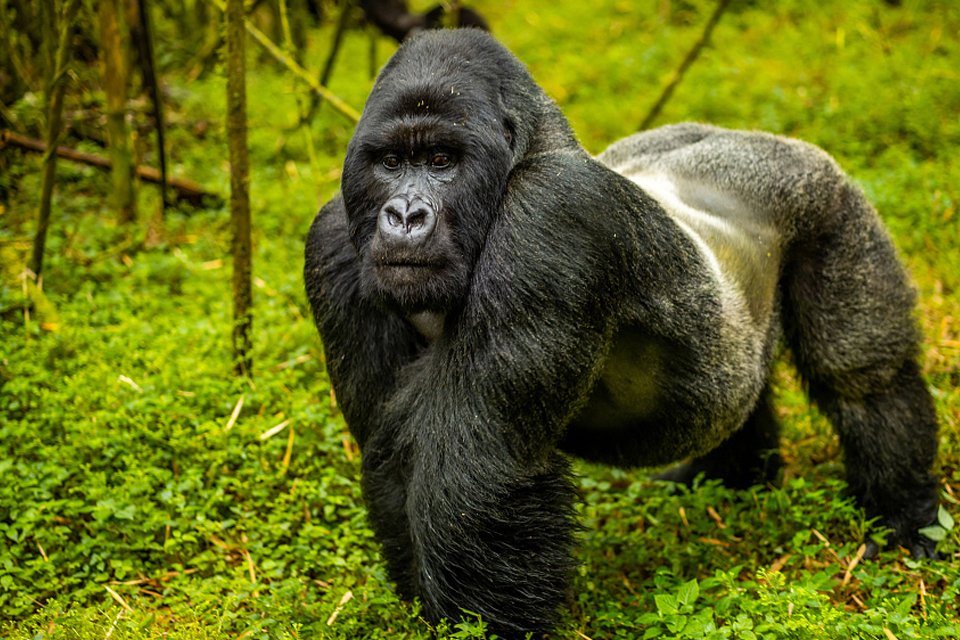
Rwanda has rapidly established itself as one of the world’s most desirable destinations for gorilla photography enthusiasts. Through a rare combination of dramatic volcanic scenery, open bamboo forests, predictable weather patterns, and a highly organized trekking system, Rwanda delivers consistently outstanding photographic conditions. Although gorilla trekking in Uganda also offers unforgettable encounters—particularly within the dense, atmospheric forests of Bwindi Impenetrable—Rwanda stands out as exceptionally photographer-friendly. The interplay of light, terrain, gorilla behavior, and accessibility creates an environment where sharp, intimate, and emotionally powerful images are captured with remarkable consistency.
Open Forest Structure and Cleaner Compositions
One of the strongest advantages of photographing gorillas in Rwanda lies in the open bamboo forests of Volcanoes National Park. Unlike the thick, multi-layered vegetation common during gorilla trekking in Uganda, especially in Bwindi, Rwanda’s bamboo zones allow far more natural light to reach the forest floor. Consequently, photographers face fewer challenges with deep shadows, obstructed sightlines, and cluttered backgrounds. Gorillas are framed cleanly against their environment, allowing their expressions, textures, and interactions to dominate the image rather than surrounding foliage.
Soft Mountain Light and Cinematic Atmosphere
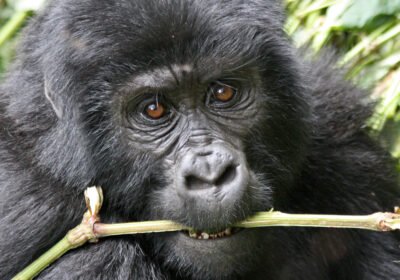
Equally important is Rwanda’s soft, diffused mountain light. Early morning mist rising from the Virunga Volcanoes acts as a natural light filter, softening contrasts and eliminating harsh highlights. This lighting creates a cinematic quality that enhances emotion and depth in gorilla portraits. Facial features, eye reflections, and fur detail are rendered beautifully without extreme exposure adjustments. While gorilla trekking in Uganda offers dramatic jungle moods, Rwanda provides a more forgiving and visually balanced lighting environment for photographers.
Calm Gorilla Behavior and Predictable Moments
Gorilla behavior in Rwanda further enhances photographic success. Several families in Volcanoes National Park—such as Amahoro, Sabyinyo, and Kwitonda—are known for their calm and predictable demeanor. Their relaxed nature allows photographers to anticipate behavior and capture prolonged grooming sessions, expressive eye contact, playful juveniles, and composed silverback portraits. In contrast, dense vegetation during gorilla trekking in Uganda can sometimes limit repositioning, even when behavior is equally engaging. Rwanda’s open terrain allows photographers to adjust angles smoothly and respond creatively.
Trekking Systems Designed for Efficiency
Rwanda’s trekking system is highly structured, which directly benefits photography. Trekkers are assigned to gorilla families based on fitness levels, trail conditions, and known gorilla locations. This efficiency reduces unnecessary hiking and allows photographers to arrive focused rather than fatigued. Compared to gorilla trekking in Uganda—where long, steep hikes are sometimes unavoidable—Rwanda’s shorter and more predictable treks preserve energy for the crucial one-hour viewing window.
Controlled Group Size and Ethical Access
Strict conservation rules also enhance photographic quality. Rwanda enforces the eight-person limit per gorilla family and the one-hour viewing rule with exceptional consistency. These controls minimize crowding and allow photographers space to compose images without distraction. Although Uganda follows similar guidelines, Rwanda’s compact geography and coordinated ranger system often create smoother, quieter viewing sessions—ideal for focused photography.
Volcanic Backdrops and Sense of Place
Rwanda’s landscapes add a powerful storytelling element to gorilla images. The Virunga Volcanoes frequently appear through misty backdrops or rise dramatically above bamboo slopes. As a result, photographs carry a strong sense of place, blending wildlife with iconic geography. While Uganda’s rainforests offer rich textures and depth, Rwanda’s volcanic scenery provides a distinct visual signature that many photographers actively seek.
Reliable Tracking and Weather Stability
Daily monitoring by trackers ensures gorilla families are located early, reducing time spent searching and increasing time spent photographing. Rwanda’s open terrain supports efficient communication between trackers and guides. Additionally, the country’s high-altitude climate produces cool mornings and consistent light, reducing glare and exposure swings. During gorilla trekking in Uganda, sudden shifts from deep shade to bright canopy gaps can demand rapid camera adjustments.
Accessibility and Photographer Comfort
Finally, accessibility plays a major role. Luxury lodges located close to the park headquarters allow photographers to rest well, prepare equipment carefully, and reach briefings early. Short travel times from Kigali reduce logistical strain, an advantage appreciated by both professionals and passionate amateurs.
Conclusion: Rwanda as a Photographer’s Gorilla Paradise
In conclusion, Rwanda stands among the world’s leading destinations for gorilla photography due to its open bamboo forests, soft mountain light, calm gorilla families, predictable trekking systems, dramatic volcanic landscapes, and strong conservation management. Whether comparing the experience with gorilla trekking in Uganda or embarking on a first primate photography journey, Rwanda offers a uniquely supportive environment for creating powerful, emotionally resonant gorilla images. For photographers seeking clarity, atmosphere, and authenticity, Volcanoes National Park remains unmatched.