



The Amahoro Gorilla Family: A Sanctuary of Serenity
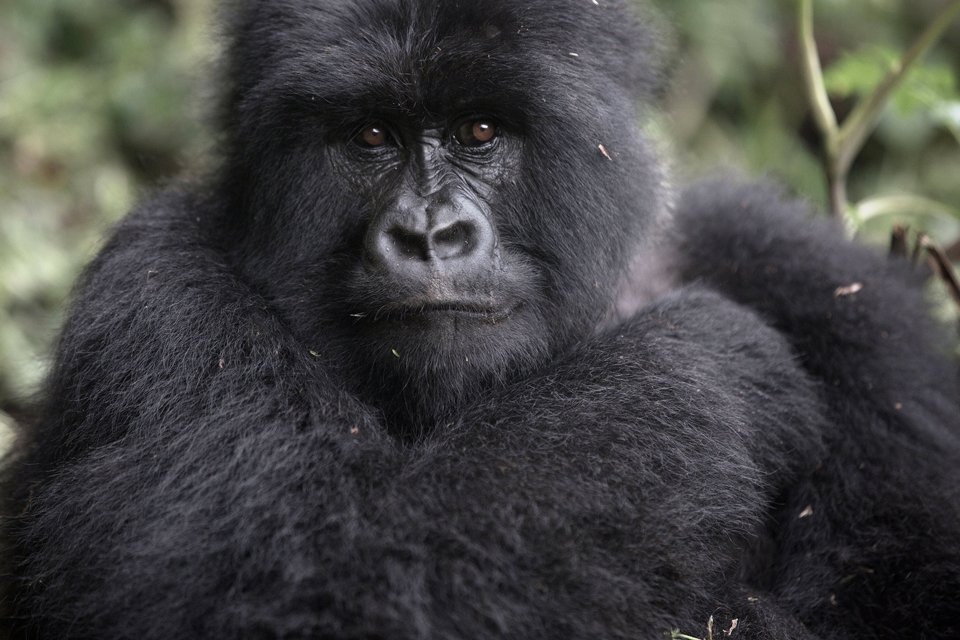
Among the remarkable mountain gorilla families in Rwanda’s Volcanoes National Park, the Amahoro group is especially admired for its calm temperament. Its name, meaning “peace” in Kinyarwanda, perfectly reflects the tranquil atmosphere that is often experienced during visits. Consequently, travelers planning Rwanda safaris or a memorable safari in Rwanda specifically seek out this gentle family for an experience that is frequently described as soothing and deeply personal.
Gentle Leadership and Social Harmony
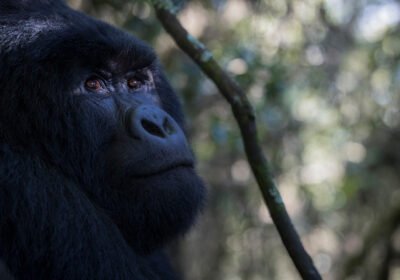
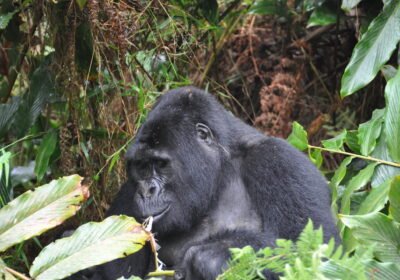
One of the most defining characteristics of the Amahoro family is its peaceful leadership, which is guided by a composed silverback. Unlike more boisterous groups, natural behaviors are calmly continued here even when visitors are present. Because little disturbance is displayed by the primates, trekkers are able to observe feeding, grooming, and resting in a relaxed environment. This stability is particularly valued by photographers and first-time visitors who prefer a less intense wildlife encounter.
Ideal Viewing in the Bamboo Forests
The habitat frequently occupied by the Amahoro group provides clearer visibility than the dense tropical rainforests found elsewhere. Because the bamboo vegetation is more open, unobstructed views are enjoyed, and subtle facial expressions can be seen more easily. Furthermore, soft natural light is gently filtered through the canopy, allowing fine details—such as fur texture and infant features—to be beautifully captured. For those on Rwanda tours, these lighting conditions are considered exceptionally favorable for high-quality photography.
A Diverse and Balanced Family
Another strength of the Amahoro group lies in its stable family composition. The family typically includes:
- Nurturing Mothers: Observing the tender care of the youngest members.
- Energetic Juveniles: Watching playful interactions and climbing practice.
- Cooperative Adults: Seeing grooming sessions that reinforce social bonds.
Therefore, a complete portrait of mountain gorilla life is gradually revealed to visitors during their trek.
Accessibility and Moderate Trekking
Trekking to the Amahoro family is generally regarded as moderately challenging yet comfortably achievable. Because the group is often located within middle-altitude zones rather than on the steepest volcanic slopes, the hiking effort is well-balanced. While a sense of adventure is still provided, excessive physical strain is rarely required. Consequently, Amahoro is frequently included in premium safari in Rwanda itineraries designed for a wide range of fitness levels.
A Legacy of Conservation
The Amahoro family was among the earliest groups habituated for responsible tourism. Through years of careful work, comfort around respectful human presence has been developed. Furthermore, the stability of this group reflects Rwanda’s world-class conservation management. Daily monitoring and veterinary care are strictly enforced, ensuring that protection is prioritized. Thus, each trekking experience becomes part of a wider story that benefits both wildlife and local communities.
Conclusion
Ultimately, the Amahoro gorilla family offers one of the most serene wildlife encounters in Africa. Calm behavior, open habitats, and accessible conditions combine to create a deeply rewarding journey. Whether experienced through luxury Rwanda tours or immersive Rwanda safaris, an encounter with Amahoro remains a gentle and unforgettable connection with nature.