
















The Science Behind Rwanda’s Reliable Gorilla Encounters
Volcanoes National Park is home to some of the most extensively studied and longest-habituated mountain gorilla families anywhere in the world. This extraordinary research history—spanning more than five decades—has shaped a gorilla trekking experience defined by stability, safety, and emotional depth. While gorilla trekking in Uganda also benefits from strong habituation programs in Bwindi and Mgahinga, Rwanda’s scientific legacy has created an unmatched foundation for understanding gorilla behavior and long-term conservation needs. Consequently, trekking experiences in Rwanda are consistently smooth, predictable, and deeply rewarding for visitors.
Understanding Habituation: A Long-Term Commitment
Habituation is the carefully managed process through which wild gorillas are gradually introduced to human presence in a controlled and ethical manner. Importantly, this process allows gorillas to behave naturally while becoming comfortable with regulated tourism. In Rwanda, habituation began earlier than in most gorilla trekking destinations. In 1967, Dian Fossey established the Karisoke Research Center in the Virunga Mountains. Over many years, continuous observation helped scientists and rangers develop effective methods for approaching gorillas safely, interpreting their social structures, and minimizing stress during encounters.
Continuous Monitoring and Deep Behavioral Knowledge
Today, this pioneering research legacy continues through the Dian Fossey Gorilla Fund working closely with the Rwanda Development Board. Every habituated gorilla family is monitored daily. Rangers and trackers record births, injuries, feeding behavior, nesting sites, territorial shifts, and social interactions. Because of this long-term data collection, Rwanda’s gorilla families are among the best understood primates on Earth. As a result, trekking experiences are remarkably consistent and carefully managed.
Calm Gorilla Behavior and Visitor Confidence
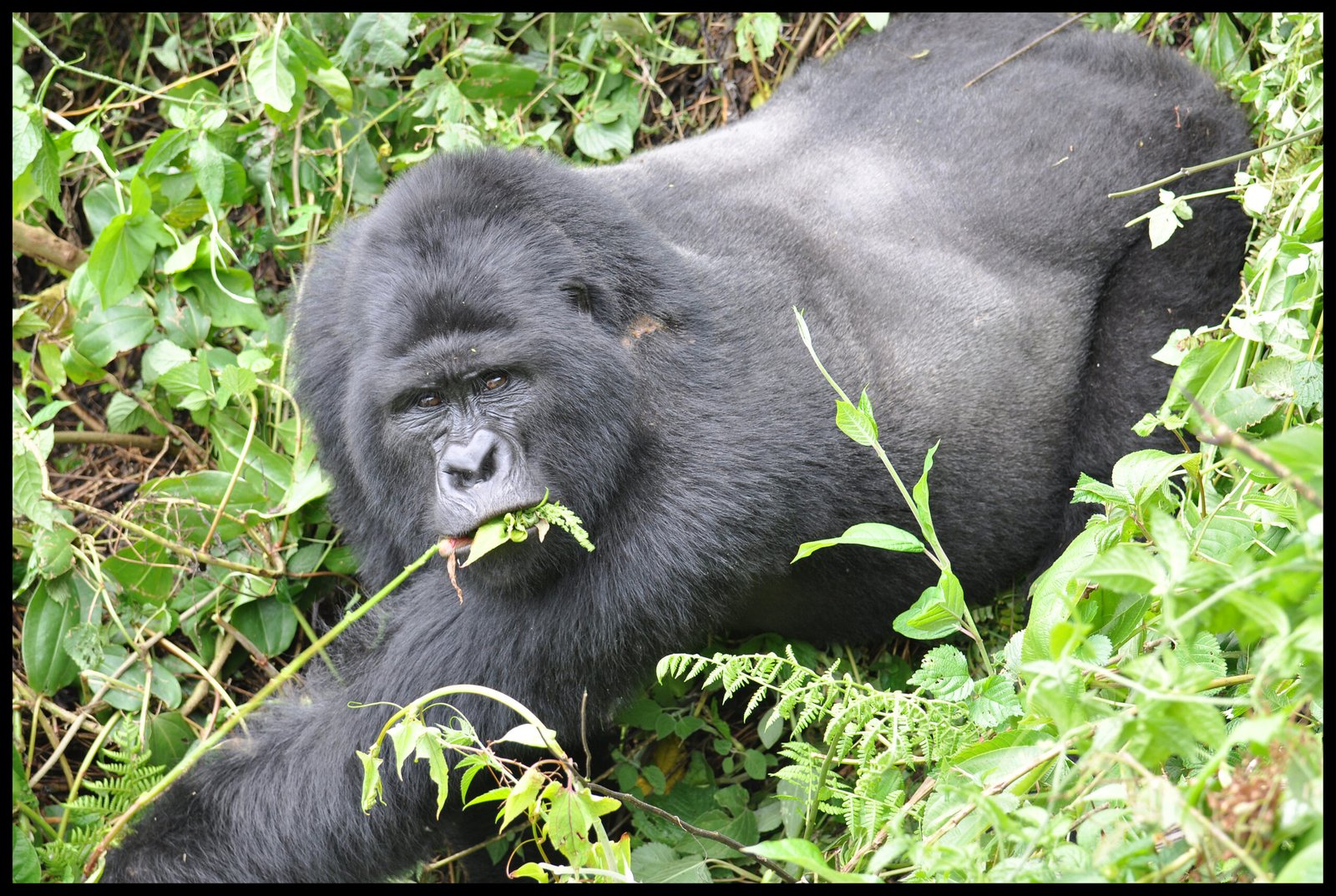
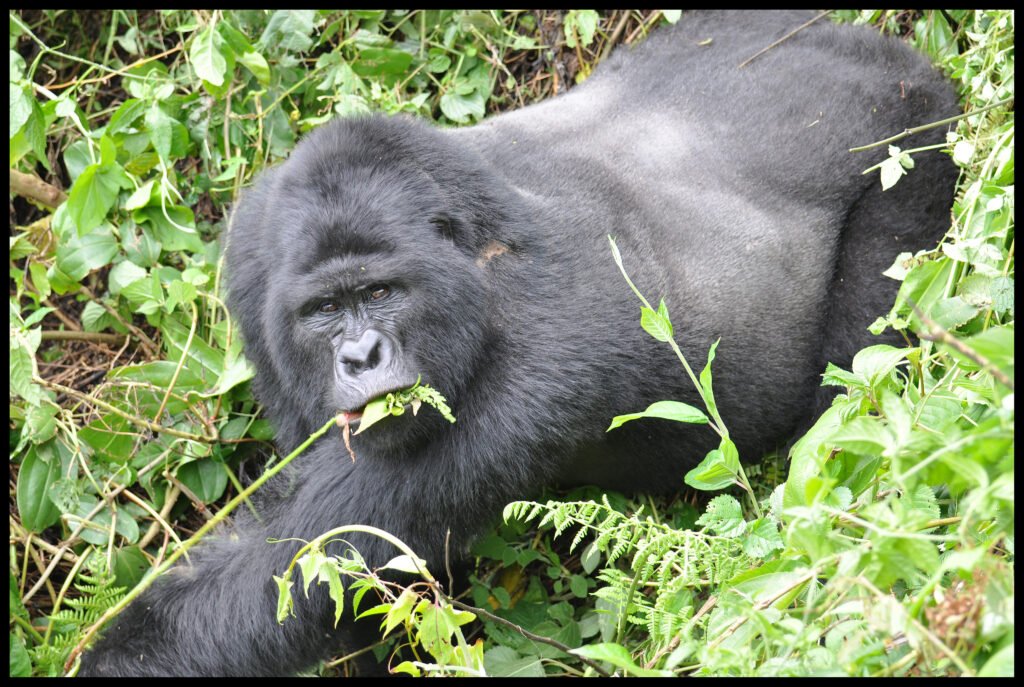
Because Rwanda’s gorilla families have been habituated for longer periods than many groups encountered during gorilla trekking in Uganda, they are highly accustomed to human presence. Their calm and stable behavior is especially reassuring for first-time trekkers, older travelers, and families. Gorillas continue feeding, grooming, resting, and caring for infants even when visitors are nearby. Consequently, encounters feel intimate and authentic, allowing travelers to observe natural behavior at close range without tension.
Predictable Trekking Routes and Manageable Distances
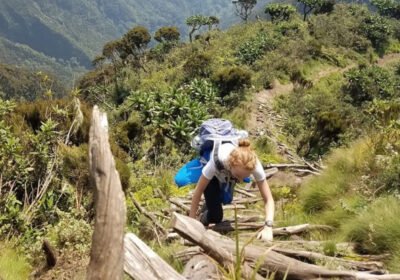
The depth of habituation also makes trekking logistics more predictable. Each morning, trackers locate gorilla families by following signs from the previous night’s nests. Because movement patterns and habitat preferences have been studied for decades, rangers can estimate trekking distances accurately. This reduces the likelihood of unexpectedly long or exhausting hikes. By contrast, gorilla trekking in Uganda can sometimes involve longer treks through dense rainforest, where gorilla movements are less predictable.
Reduced Stress and Ethical Viewing Standards
Long-term research has also shaped Rwanda’s strict ethical guidelines. Viewing time is limited to one hour per group, and no more than eight visitors are allowed per gorilla family each day. These measures help maintain gorilla comfort and reduce stress. Studies conducted by Karisoke have shown that well-habituated gorillas maintain stable stress indicators during regulated human observation. This scientific insight continues to guide Rwanda’s conservation policies and visitor protocols.
Improved Visibility and Photography Opportunities
Another benefit of long-term habituation is improved viewing quality. Gorillas accustomed to rangers and trackers often remain in open bamboo zones and continue their routines during visits. Combined with Rwanda’s lighter, more open habitat, this allows clearer observation and superior photography. Travelers who have experienced gorilla trekking in Uganda frequently note that thicker vegetation there can limit visibility during the one-hour encounter.
Ranger Expertise and Individual Gorilla Recognition
Rwandan rangers possess exceptional knowledge of individual gorillas. Each animal is recognized by facial features, posture, and personality traits. This familiarity allows guides to anticipate interactions, manage visitor positioning, and share rich stories about family dynamics. Trekkers gain insight into silverback leadership, maternal care, juvenile play, and evolving social hierarchies. While Uganda’s guides are also highly skilled, Rwanda’s long research tradition gives its rangers extraordinary depth of understanding.
Conservation Success Beyond Tourism
The impact of Rwanda’s habituation research extends well beyond tourism. Continuous monitoring enables rapid medical response by the Gorilla Doctors, who treat snare injuries, respiratory infections, and other threats. This proactive care has contributed significantly to the recovery of the mountain gorilla population, which is no longer critically endangered. Uganda’s conservation efforts have also been vital, yet Rwanda’s centralized system allows particularly efficient monitoring and intervention.
Conclusion: Why Rwanda Delivers Consistently Exceptional Gorilla Viewing
In conclusion, Rwanda’s gorilla families offer exceptionally stable and predictable viewing experiences due to more than fifty years of habituation research, daily monitoring, and science-led conservation. While gorilla trekking in Uganda provides adventurous and immersive encounters, Rwanda’s long-term research foundation makes its gorilla trekking uniquely calm, intimate, and consistently reliable. For travelers seeking safe, emotionally powerful wildlife encounters supported by world-leading conservation science, Rwanda remains one of Africa’s most outstanding destinations.