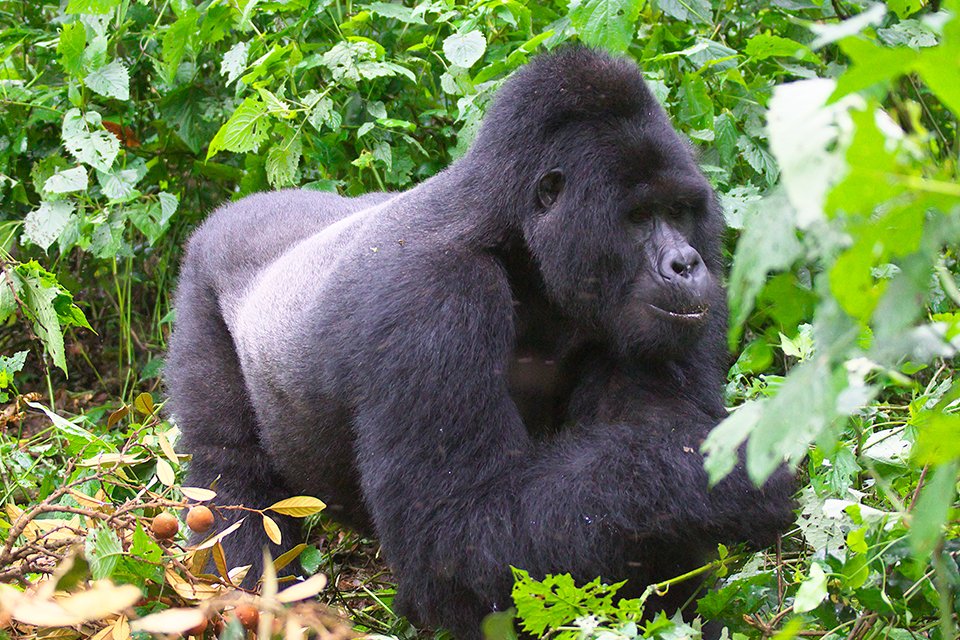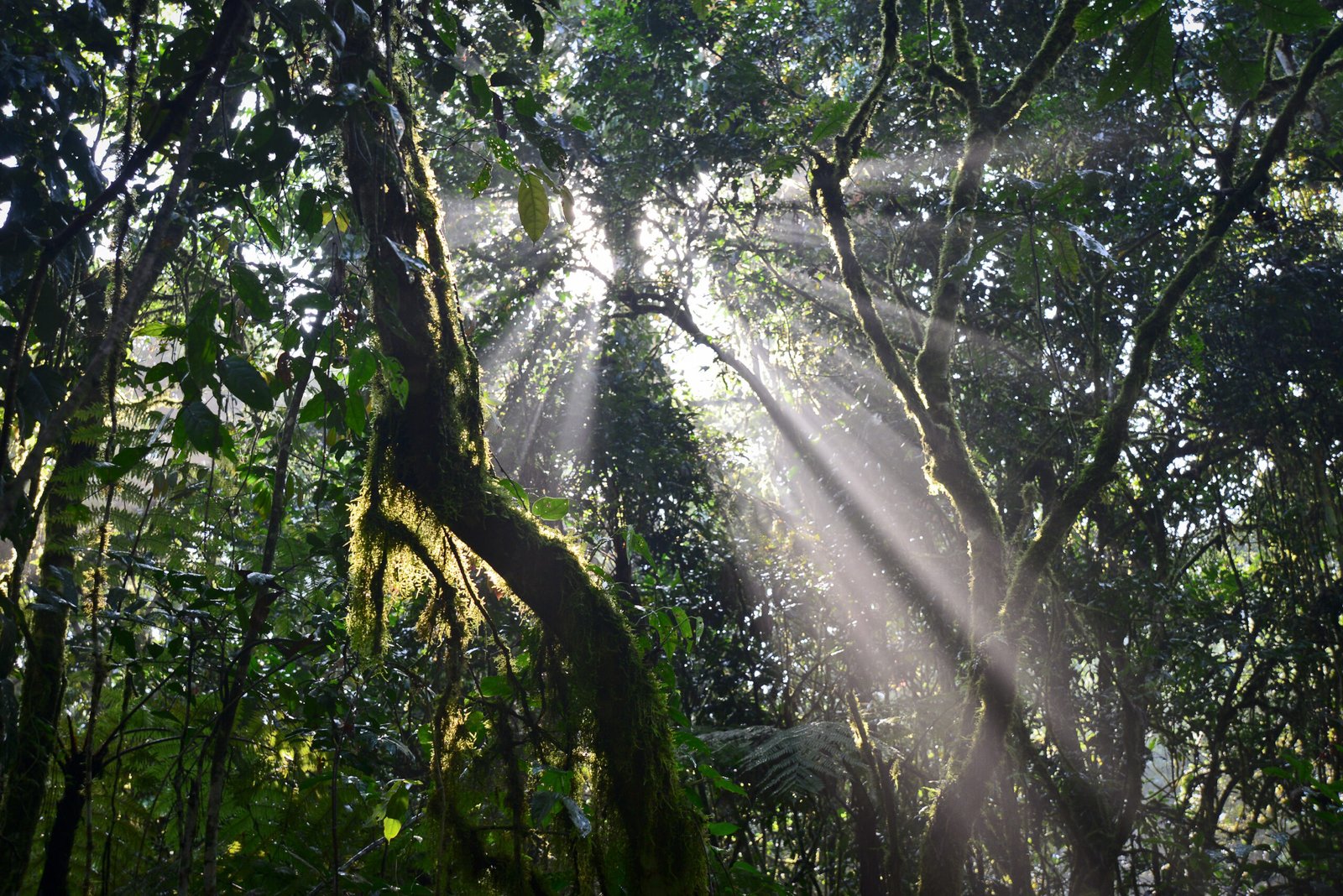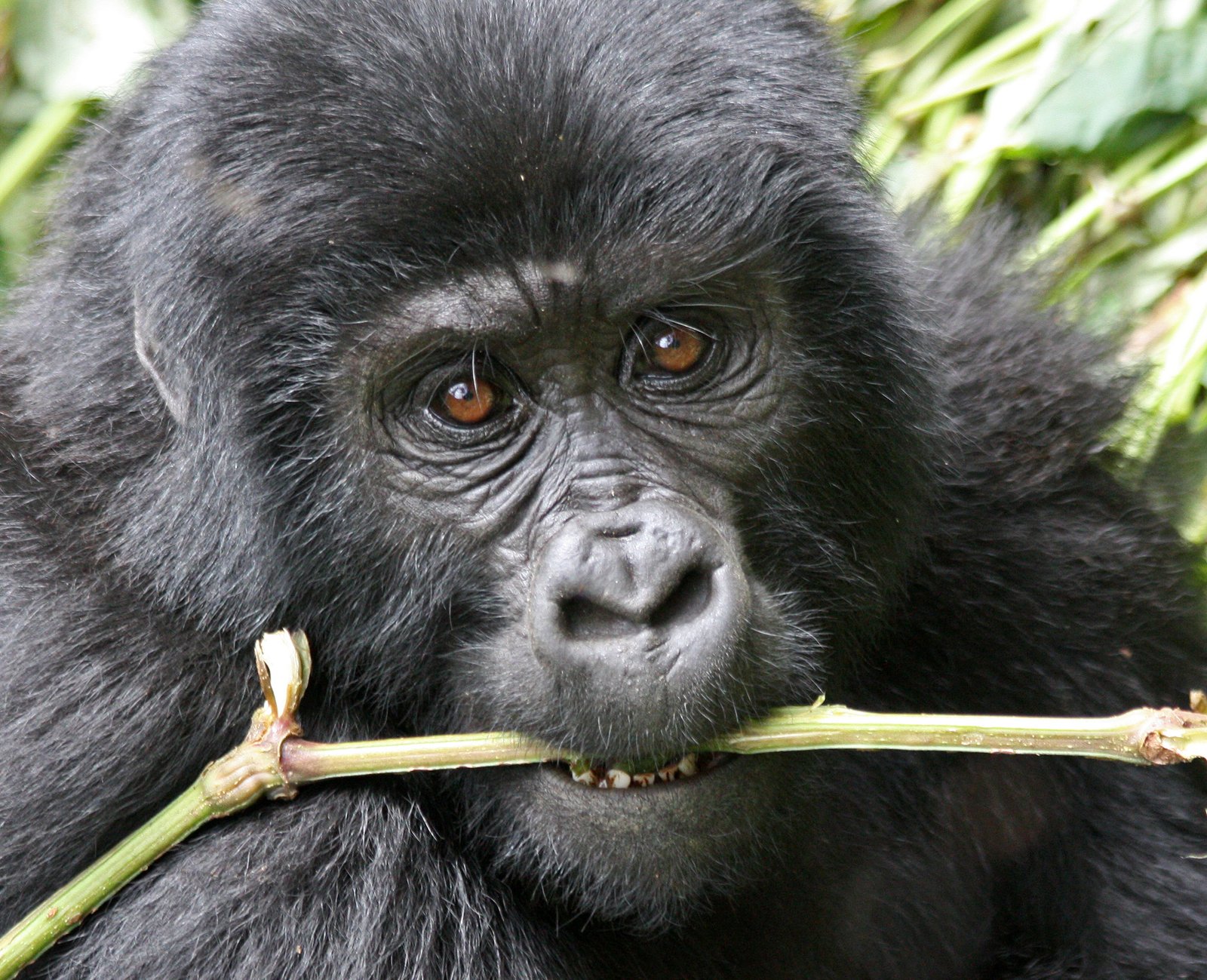
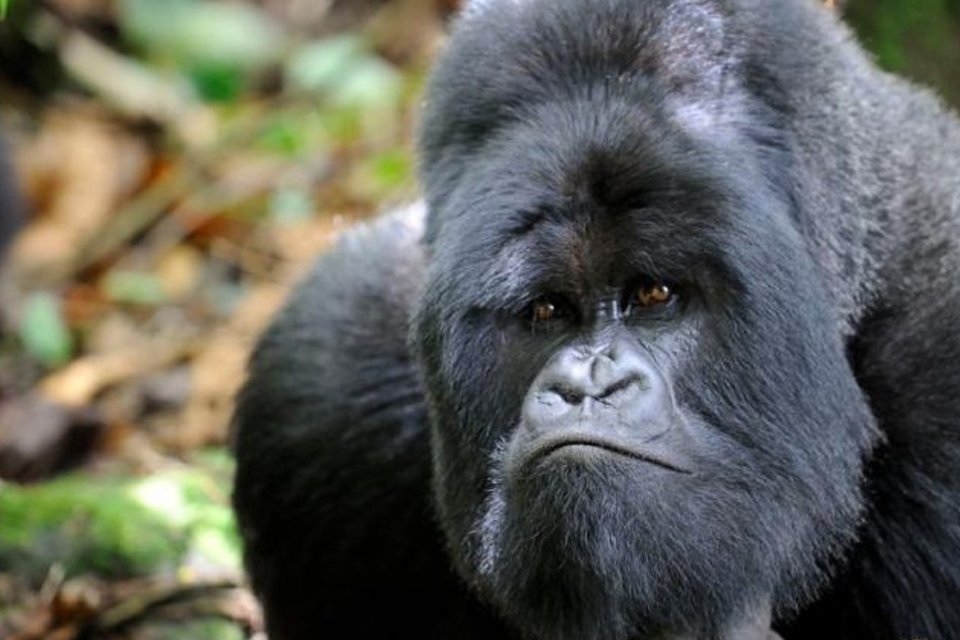
Rwanda has established one of the world’s most responsible and conservation-driven gorilla trekking frameworks, carefully designed to protect mountain gorillas while delivering meaningful visitor experiences. These rules are enforced by the Rwanda Development Board and are grounded in decades of scientific research conducted at the Karisoke Research Center, founded by Dian Fossey. Although similar conservation principles apply during gorilla trekking in Uganda, Rwanda’s centralized and streamlined system ensures higher consistency, stronger compliance, and long-term protection of gorilla populations.
The Seven-Meter Distance Rule: A Core Conservation Measure
At the heart of Rwanda’s trekking regulations lies the strict seven-meter distance rule. Visitors are required to maintain a minimum gap between themselves and the gorillas at all times. This distance reduces the risk of airborne disease transmission, lowers stress levels, and allows gorillas to move freely without feeling surrounded. Because curious juveniles may occasionally approach humans, rangers calmly instruct visitors to step back. As a result, encounters remain respectful, natural, and controlled by the gorillas themselves.
The One-Hour Viewing Limit: Protecting Natural Behavior
Equally important is Rwanda’s firm enforcement of the one-hour viewing limit. Once a gorilla family is reached, visitors are allowed exactly sixty minutes to observe and photograph them. This rule prevents prolonged exposure that could disrupt feeding, grooming, resting, or nursing routines. Scientific studies have shown that shorter, controlled interactions reduce behavioral changes and stress. While gorilla trekking in Uganda follows the same principle, Rwanda’s compact park management allows this rule to be applied with remarkable consistency.
Health Screening and Disease Prevention Protocols
Rwanda places exceptional emphasis on disease prevention, recognizing that mountain gorillas share about 98 percent of their DNA with humans. Visitors showing symptoms such as coughing, fever, or flu-like illness are not permitted to trek. Although alternative activities are offered, access to gorillas is strictly restricted. This policy has played a major role in preventing disease outbreaks within Rwanda’s gorilla populations and serves as a model for ethical wildlife tourism worldwide.
Quiet Conduct and Calm Movement Near Gorillas
Visitors are required to speak softly and avoid sudden movements while near gorillas. Loud voices or abrupt actions can alarm infants and trigger protective responses from silverbacks. Throughout the trek, guides remind visitors to remain calm and steady. Consequently, gorillas continue their natural behaviors without interruption, and the overall atmosphere becomes more immersive and serene.
Photography Rules and Group Size Limits
Flash photography is strictly prohibited, as sudden light can disturb or confuse gorillas during feeding or grooming. Rangers check cameras before treks and ensure flash settings are disabled. Fortunately, Rwanda’s open bamboo forests provide excellent natural lighting. In addition, each gorilla family may be visited by a maximum of eight tourists per day. Small groups reduce habitat disturbance, limit noise, and allow closer monitoring of gorilla reactions.
Additional Ethical Guidelines: Food, Porters, and Monitoring
Eating, drinking, or smoking near gorillas is not allowed. Food odors, waste, and smoke may alter behavior or introduce harmful pathogens. Visitors are also encouraged to hire porters, which reduces trail erosion and prevents damage to vegetation. During every trek, rangers closely observe gorilla behavior and adjust visitor positioning if signs of discomfort appear. This careful monitoring ensures gorillas remain in control of their space at all times.
Conclusion: A Global Benchmark for Conservation Tourism
In conclusion, Rwanda’s gorilla trekking rules—covering distance limits, time restrictions, health checks, group size controls, and visitor conduct—create a safe, ethical, and low-impact environment for mountain gorillas. While gorilla trekking in Uganda is also responsibly managed, Rwanda’s centralized oversight, strong scientific foundation, and unwavering consistency position it as one of the most effective conservation tourism models in the world. Travelers benefit from deeply respectful encounters, while gorillas remain protected for generations to come.