









Predictable Gorilla Trekking as a Highlight of Rwanda Tours
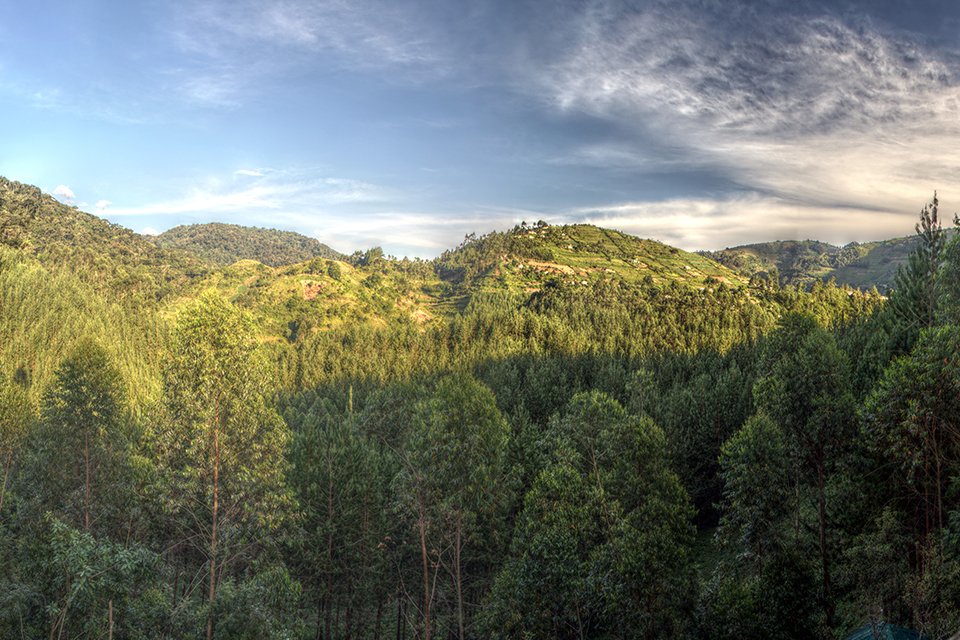
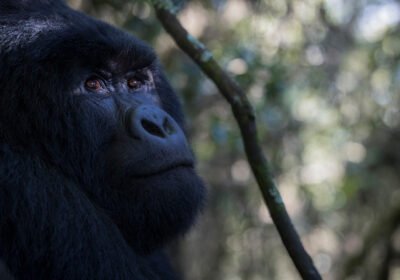
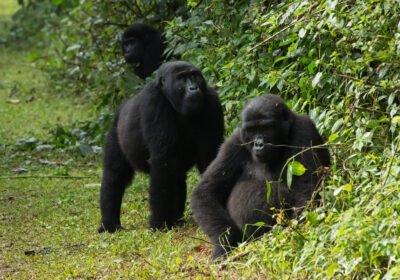
One of the strongest reasons travelers choose Rwanda tours is the remarkable predictability of gorilla trekking inside Volcanoes National Park. While gorilla trekking in Uganda delivers a raw and adventurous rainforest experience, Rwanda offers a more controlled and time-efficient safari environment. This reliability is especially appealing to travelers planning short Rwanda safaris, luxury trips, or carefully timed itineraries. The dominance of open bamboo forests, combined with professional tracking systems, creates a trekking experience that is smoother, more consistent, and easier to plan within a wider safari in Rwanda.
Bamboo Forests Create Consistent Trekking Conditions
At the core of Rwanda’s predictable trekking durations is the bamboo-dominated habitat covering much of Volcanoes National Park. These bamboo zones form natural corridors that are easier to navigate than dense tropical rainforest. Compared to Bwindi Impenetrable Forest in Uganda, where tangled vines and thick undergrowth slow movement, Rwanda’s forests allow trackers and guides to move efficiently. Because the terrain is more open, trekking routes can be estimated with greater accuracy, which directly benefits visitors seeking comfort and clarity during their Rwanda safaris.
Daily Monitoring Improves Time Accuracy
Another major factor enhancing predictability during safari in Rwanda experiences is the country’s rigorous daily monitoring system. Each gorilla family is tracked every day by trained teams who document movement patterns, feeding areas, and nesting locations. In the bamboo forests, trackers reach these locations faster and follow fresh signs with greater visibility. As a result, trekking routes are planned more accurately, and extreme variations in hiking time are rarely encountered. This structured monitoring ensures that most treks fall within a reliable one-to-four-hour range before reaching the gorillas.
Volcanic Terrain Supports Manageable Hiking
In addition, Rwanda’s volcanic landscape contributes to consistent trekking difficulty. Although Volcanoes National Park sits at high altitude, the slopes often rise gradually rather than abruptly. Long, steady ascents replace the sharp ridges and deep valleys common in other gorilla habitats. Even when trails are damp, the terrain remains manageable for a wide range of travelers. For this reason, many Rwanda tours are recommended for older travelers, first-time trekkers, and guests seeking meaningful wildlife encounters without extreme physical strain.
Efficient Ranger Communication Enhances Coordination
Predictability is further strengthened by effective communication among ranger teams. Trackers and guides maintain constant radio contact throughout the morning, sharing real-time updates on gorilla movements. Because the landscape is less obstructed, communication is clearer and adjustments can be made quickly when needed. If a gorilla family shifts location unexpectedly, trekking plans are refined immediately. This coordinated approach reduces uncertainty and ensures that Rwanda safaris proceed smoothly, even when natural conditions change.
Gorilla Feeding Patterns Encourage Stability
Gorilla behavior also plays an important role in consistent trekking durations. In Rwanda’s bamboo zones, gorillas frequently feed on shoots and vegetation found in flatter, accessible areas. During certain seasons, families remain in these zones for extended periods, reducing long-distance movement. This seasonal stability contrasts with some gorilla populations that roam widely in search of fruit. For travelers enjoying a safari in Rwanda, this behavior adds another layer of reliability to the trekking experience.
Benefits for Luxury and Short-Stay Travelers
Predictable trekking times significantly enhance Rwanda’s luxury safari appeal. High-end lodges near Volcanoes National Park schedule meals, spa treatments, and cultural activities around expected return times from the trek. Travelers appreciate knowing when they will return, allowing the rest of the day to unfold effortlessly. Photographers also benefit, as energy levels, lighting expectations, and equipment choices can be planned more confidently during Rwanda tours.
Conclusion: A Smooth and Reliable Safari in Rwanda
In summary, the predictability of gorilla trekking in Rwanda is shaped by open bamboo forests, daily monitoring, gentle volcanic terrain, coordinated ranger communication, and stable gorilla behavior. These elements combine to create one of Africa’s most accessible primate experiences. While gorilla trekking in Uganda offers a more rugged adventure, Rwanda safaris deliver consistency, comfort, and efficiency. For travelers seeking a refined, well-structured, and unforgettable safari in Rwanda, this predictability is one of the country’s greatest strengths.