




Why Volcanoes’ Gorilla Treks Are Often Shorter
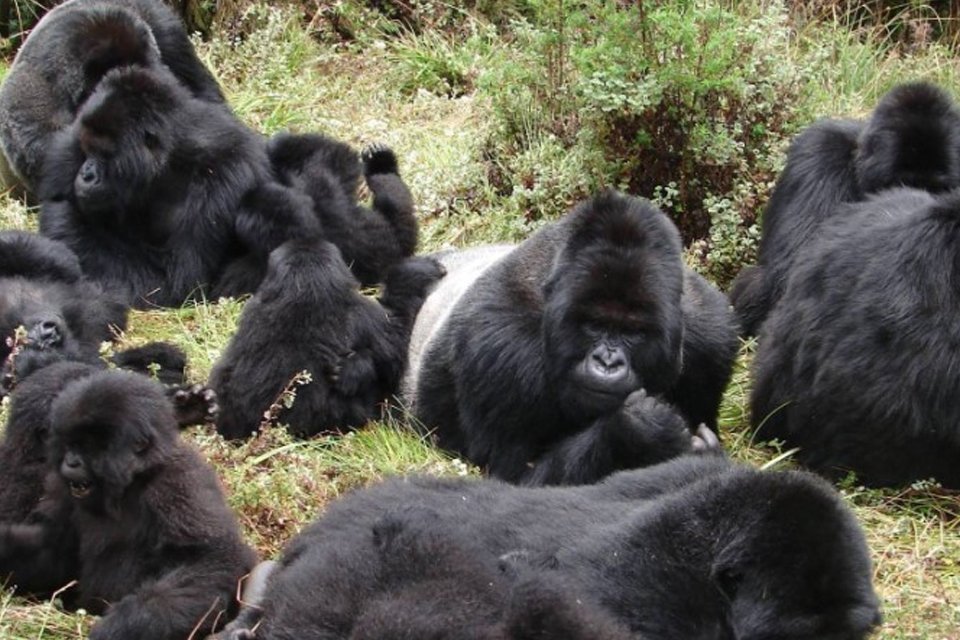
Many travelers who have trekked mountain gorillas in both Rwanda and Uganda often remark that Rwanda’s treks are typically shorter, less strenuous, and more predictable. While both destinations offer world-class gorilla trekking, Rwanda’s Volcanoes National Park benefits from unique terrain, vegetation structure, and park management strategies that make trekking more accessible for a wider range of travelers.
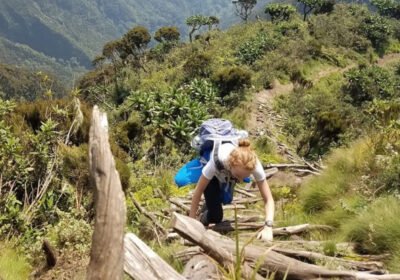
The primary reason Rwanda’s treks are less strenuous is the open bamboo forest habitat. Unlike the dense, multi-layered rainforest encountered during gorilla trekking in Uganda—especially in Bwindi Impenetrable Forest—Volcanoes National Park features wide bamboo corridors with excellent visibility and fewer physical obstacles. Trekkers can walk more freely without constantly ducking under vines, pushing aside vegetation, or navigating thick undergrowth.
Rwanda’s volcanic terrain also contributes to shorter trek times. Gorilla families often inhabit mid-elevation zones where terrain slopes are moderate. Rangers match trekking groups to gorilla families based on visitors’ fitness levels, allowing older travelers or those seeking shorter distances to trek to families located close to the trailhead. While steep climbs are still possible—especially for groups near Karisimbi or Bisoke—the overall trekking difficulty is more manageable.
Another factor is Rwanda’s advanced daily gorilla tracking system. Trackers enter the forest at dawn to locate each gorilla family before tourists arrive. By the time trekkers begin their hike, guides already know the gorillas’ approximate location. This reduces the search time significantly. In contrast, gorilla trekking in Uganda sometimes requires navigating complex, uneven terrain for longer periods before reaching the family.
Rwanda’s trails are more established and regularly maintained, making them less slippery during rainy seasons. While the volcanic soil can become muddy, the openness of the forest helps with drainage and visibility. In Uganda, steep ravines, tangled forests, and narrow paths can make trekking more physically demanding.
The altitude difference also influences trekking intensity. Rwanda’s cooler, breezier temperatures create comfortable trekking conditions. Uganda’s rainforest humidity, although manageable, can make treks feel more strenuous for some travelers.
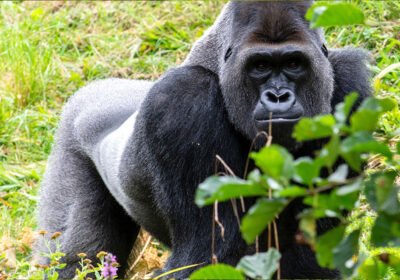
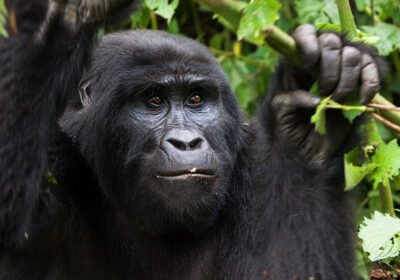
Because Rwanda’s gorilla families are long habituated and often remain close to feeding zones, trekkers enjoy shorter, smoother hikes. While this does not reduce the authentic wilderness experience, it makes Rwanda the preferred choice for senior travelers, families with teenagers, or those wanting a less intense trek.
In conclusion, Rwanda’s gorilla treks are often shorter and less strenuous due to open bamboo forests, efficient tracking systems, predictable gorilla movement patterns, and moderate terrain. While gorilla trekking in Uganda is more rugged and adventurous, Rwanda offers a more accessible yet equally emotional experience.