
Uganda is one of the last places on earth where you can come face to face with wild mountain gorillas in their natural habitat. At the heart of this extraordinary experience is Bwindi Impenetrable National Park, a UNESCO World Heritage Site and the crown jewel of any gorilla trekking safari in Uganda. Nestled in the southwestern corner of the country, Bwindi Impenetrable is home to nearly half of the world’s remaining mountain gorilla population — making it one of the most precious conservation destinations on the planet.
Why Bwindi Is the Best Place for a Gorilla Trekking Safari in Uganda
Bwindi Impenetrable National Park covers approximately 331 square kilometres of ancient montane rainforest. The park’s rugged terrain, dense vegetation, and misty highlands create a dramatic backdrop for what many travellers describe as a life-changing encounter. With over 500 mountain gorillas residing across its four sectors — Buhoma, Ruhija, Rushaga, and Nkuringo — Bwindi offers more gorilla trekking opportunities than anywhere else in the world.
A gorilla trekking safari in Uganda begins here, where habituation programs have allowed multiple gorilla families to become accustomed to human presence. This careful, years-long process makes close-range observation possible without disturbing the animals’ natural behaviours.
Getting a Gorilla Trekking Permit
To embark on a gorilla trekking safari in Uganda, you will need an official gorilla trekking permit issued by the Uganda Wildlife Authority (UWA). The permit currently costs USD 700 per person and grants you one precious hour with a habituated gorilla family. This fee directly supports conservation efforts and local community development — a vital investment in protecting these endangered animals.
Permits are in high demand, especially during peak seasons from June to August and December to February. Booking several months in advance through a reputable Uganda safari operator is strongly recommended to secure your preferred trekking date and sector.
What to Expect on the Trek
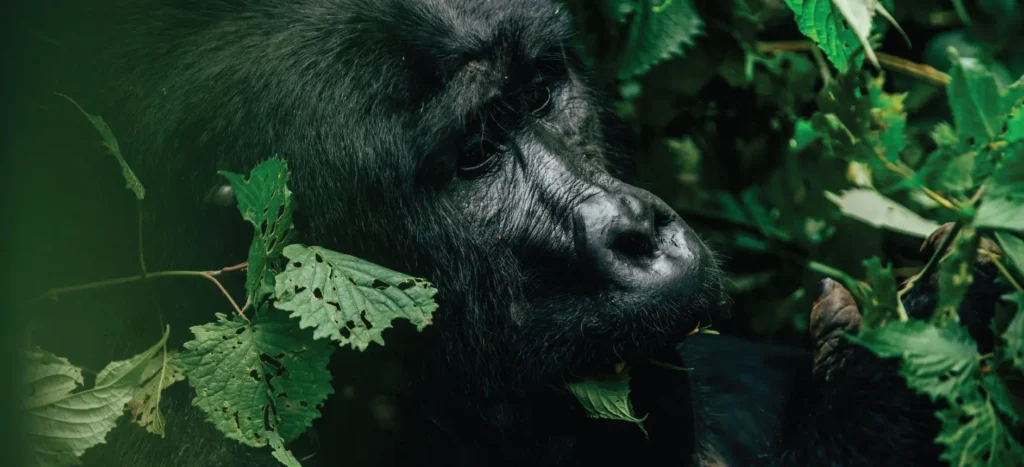
No two gorilla trekking safaris in Uganda are exactly alike. Treks can range from one hour to an entire day depending on where the gorilla family has moved overnight. Rangers and experienced trackers lead small groups of no more than eight visitors per gorilla family per day — a strict rule that minimises human impact and ensures the gorillas’ wellbeing.
You will walk through some of Africa’s most ancient forest, pushing through dense undergrowth, crossing streams, and navigating steep hillsides. The physical challenge is real, but it only makes the reward sweeter. When your tracker signals that the gorillas are near, time seems to slow down. The forest goes quiet. And then — there they are.
The Encounter: One Hour That Changes Everything
Coming face to face with a mountain gorilla is unlike anything else in the world of wildlife travel. Silverback males can weigh up to 220 kilograms and possess a quiet, commanding authority that is both humbling and deeply moving. You are allowed to spend exactly one hour with the gorilla family — watching them feed, play, nurse their young, and go about their daily lives just metres away.
This is the heartbeat of every gorilla trekking safari in Uganda. Visitors consistently describe the experience as emotional, transformative, and deeply spiritual. Many say it is the single greatest wildlife encounter of their lives.
The Four Trekking Sectors of Bwindi Impenetrable
Bwindi Impenetrable’s four sectors each offer a slightly different experience on a gorilla trekking safari in Uganda.
Buhoma in the north is the oldest and most accessible sector, with well-developed tourism infrastructure and several gorilla families available for trekking. It is an excellent entry point for first-time visitors.
Ruhija in the northeast sits at the highest elevation and offers some of the most challenging but rewarding treks. The forest here is particularly dense and rich in birdlife.
Rushaga in the south hosts the largest number of habituated gorilla families in Bwindi and also offers the rare Gorilla Habituation Experience — a half-day programme that allows you to spend up to four hours with a family still being introduced to human presence.
Nkuringo in the southwest is known for its spectacular landscapes, with sweeping views over the Albertine Rift Valley. The Nkuringo gorilla family is among the most studied in the park.
Best Time for a Gorilla Trekking Safari in Uganda
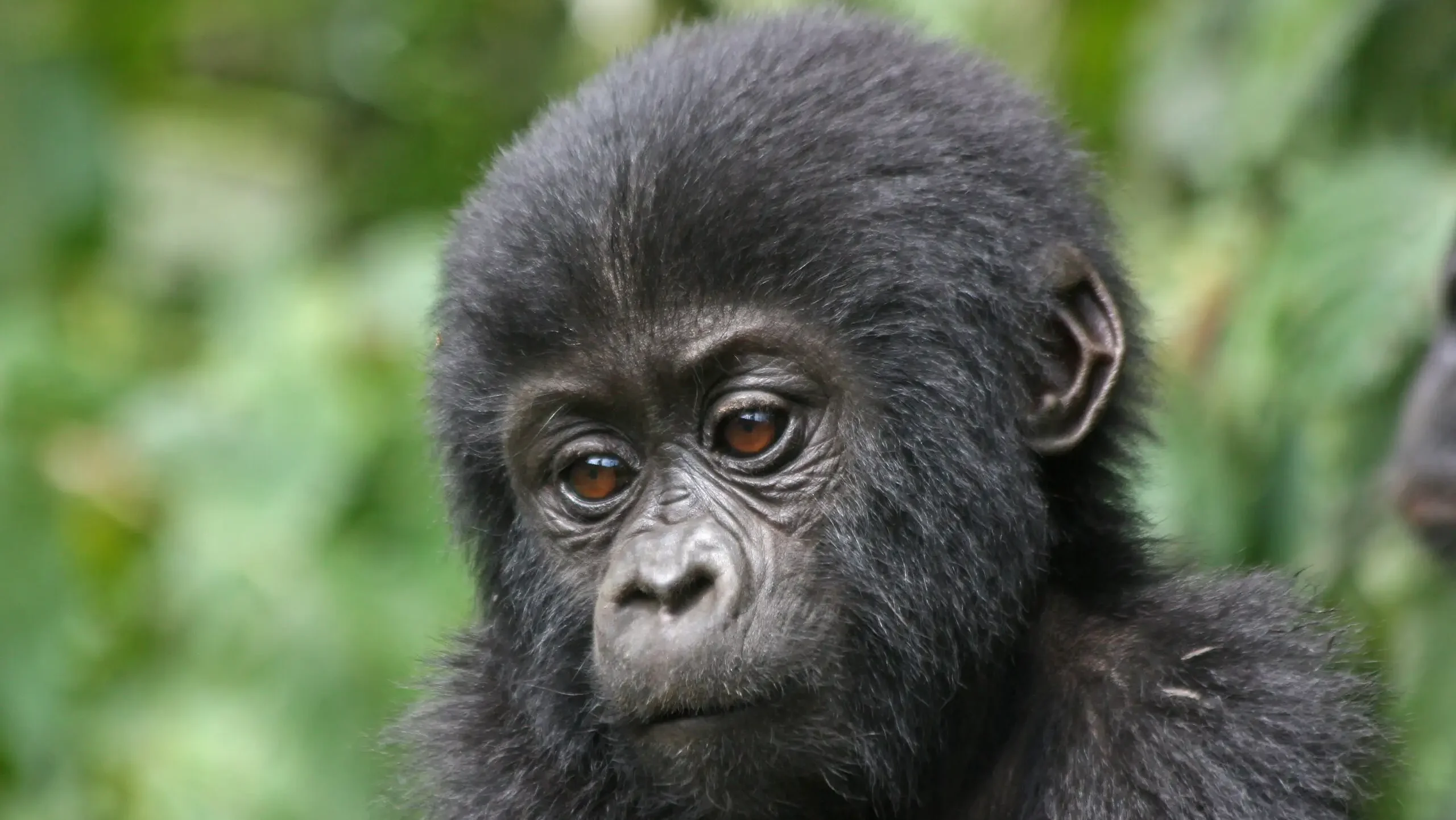
The best time to go on a gorilla trekking safari in Uganda is during the dry seasons: June to August and December to February. During these months, the Bwindi Impenetrable forest trails are drier and more manageable, and gorilla sightings are generally more predictable. That said, Bwindi’s rainforest receives rainfall throughout the year, and gorilla trekking is possible in every season — there is truly no bad time to go.
Combining Gorilla Trekking with Other Uganda Safari Experiences
A gorilla trekking safari in Uganda pairs beautifully with other wildlife adventures across the country. Many travellers combine their Bwindi Impenetrable visit with chimpanzee tracking in Kibale National Park, game drives in Queen Elizabeth National Park, or boat cruises along the Kazinga Channel. Uganda’s remarkable biodiversity means that a single safari itinerary can include gorillas, chimps, lions, elephants, hippos, and over 1,000 species of birds.
For those with more time, the dramatic Bwindi Impenetrable landscape also invites community walks, village visits, and cultural experiences with the indigenous Batwa people — the original forest-dwellers of Bwindi.
Conservation and Community Impact
Every gorilla trekking safari in Uganda contributes directly to saving mountain gorillas from extinction. In the 1980s, fewer than 300 mountain gorillas remained. Thanks to sustained conservation efforts and responsible tourism, the population has grown to over 1,000 today. Revenue from trekking permits funds anti-poaching patrols, veterinary care, and community programs that give local people a stake in protecting the forest.
When you trek in Bwindi Impenetrable, you are not just a tourist — you are a conservation partner.
Final Thoughts
A gorilla trekking safari in Uganda is one of the most profound travel experiences available anywhere on earth. Bwindi Impenetrable National Park, with its ancient forests, extraordinary gorilla families, and powerful sense of wild Africa, delivers something that no photograph can fully capture and no description can entirely convey. You simply have to go.