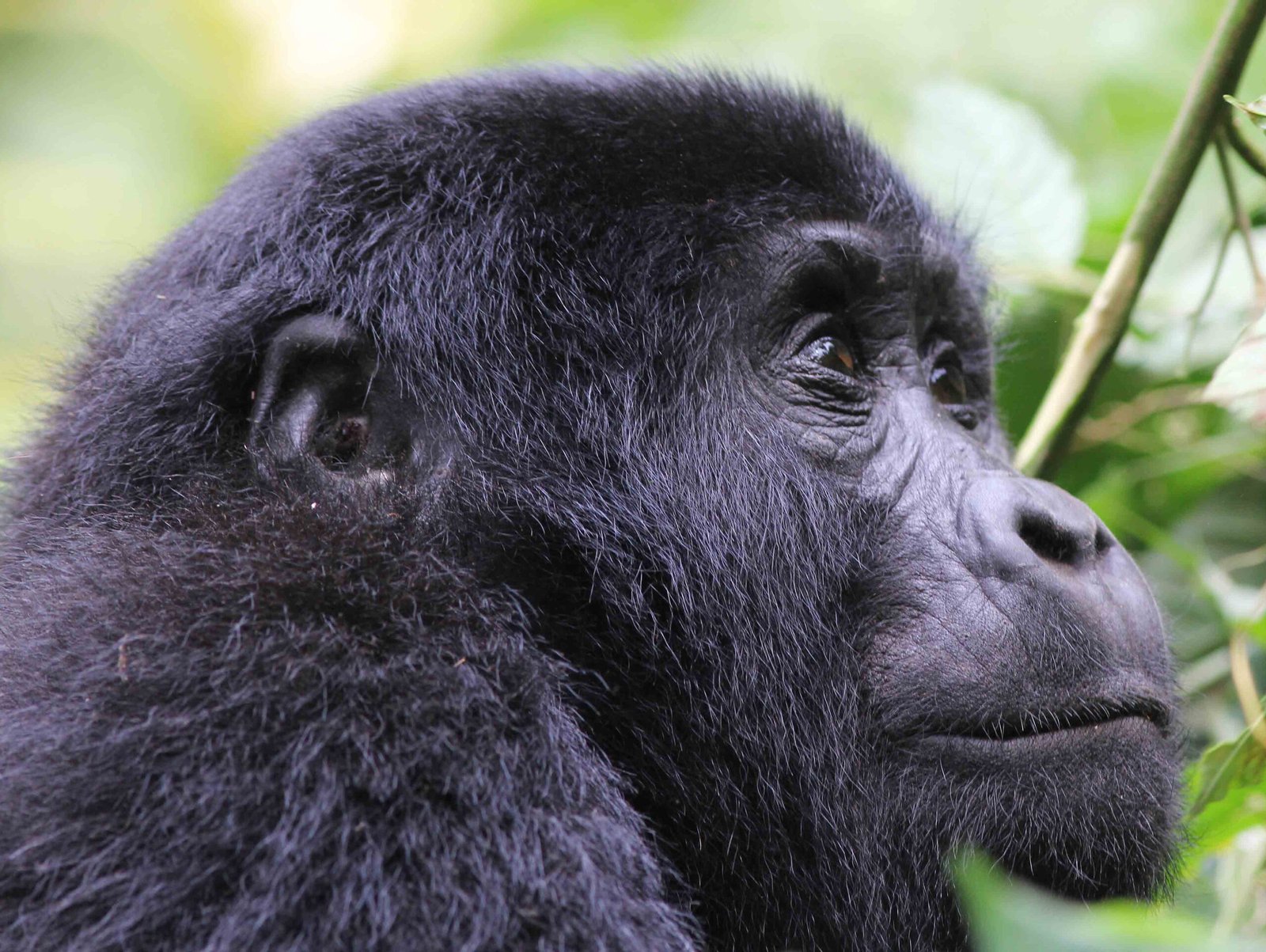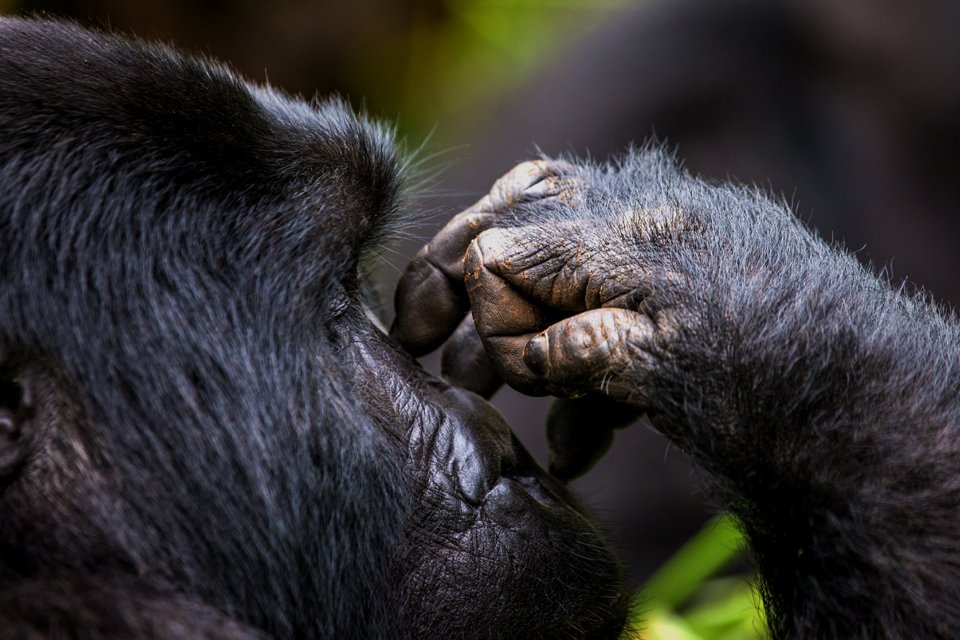
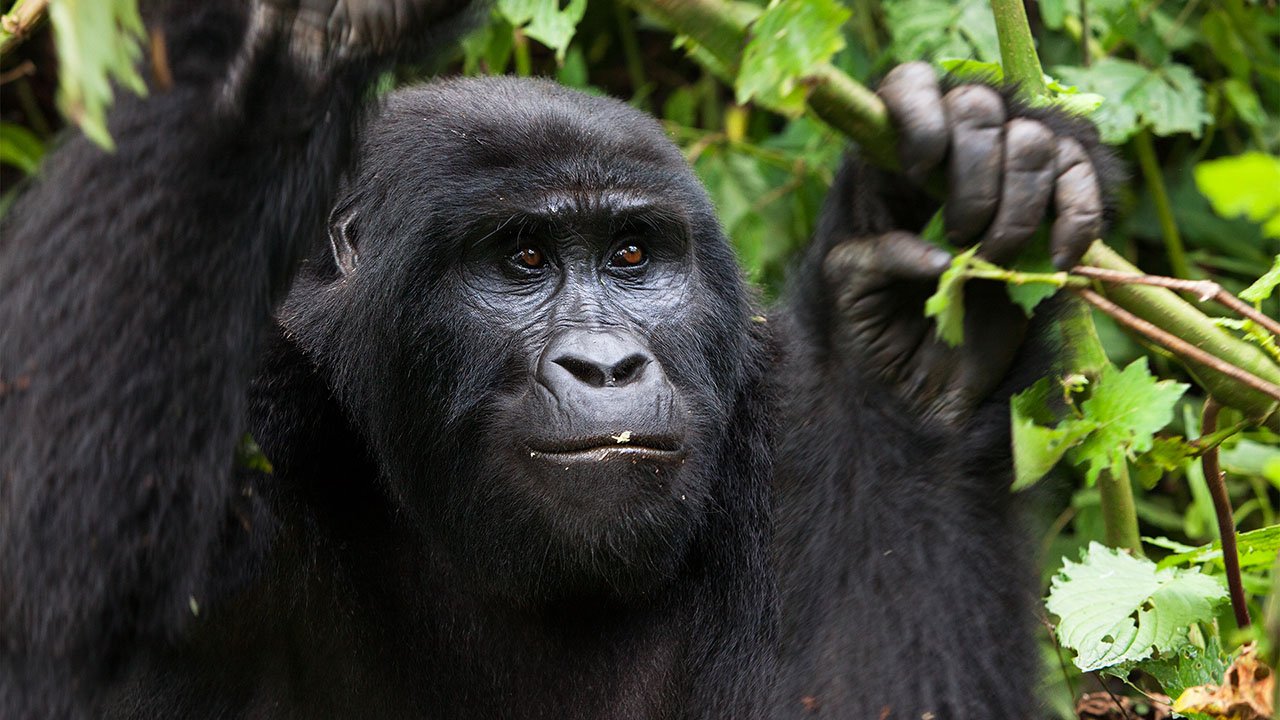
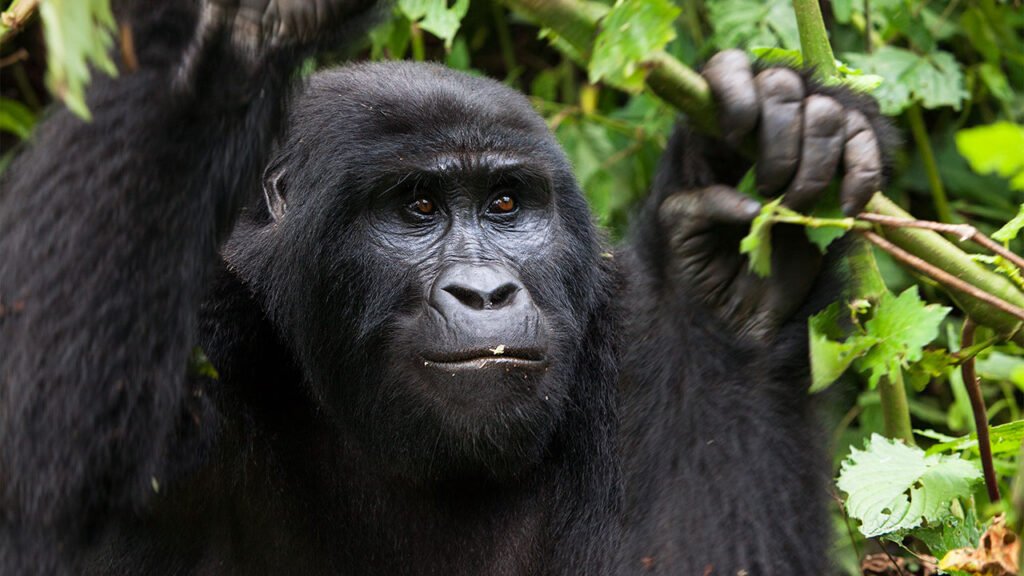
The Kwitonda gorilla family is one of the most iconic and historically significant groups in Volcanoes National Park. Known for its calm temperament, strong family bonds, and stable social structure, this group has become a favorite among trekkers, rangers, and conservationists. While travelers familiar with gorilla trekking in Uganda often encounter families moving through dense rainforest with complex, fast-changing dynamics, the Kwitonda family offers a gentler, more visible behavioral experience. Rwanda’s open bamboo and Hagenia forests allow visitors to observe these gorillas with clarity, patience, and emotional depth.
The Meaning Behind the Name “Kwitonda”
The name Kwitonda translates to “the humble one,” a tribute to the legendary silverback who originally led the group. This founding silverback was admired for his gentle leadership and non-aggressive demeanor, traits that shaped the group’s long-term behavior. Even after his passing, the calm leadership style remained. Today, trekkers consistently describe encounters with the Kwitonda family as peaceful and reassuring, making the group especially appealing to first-time trekkers and visitors seeking a relaxed experience.
Slow Movement and Extended Viewing Opportunities
One of the most defining behavioral traits of the Kwitonda family is their slow, deliberate movement. Instead of traveling rapidly across wide areas, the group often feeds methodically and remains in one location for extended periods. This behavior gives trekkers more time to observe social interactions without frequent repositioning. In contrast, some families encountered during gorilla trekking in Uganda move abruptly through thick vegetation, which can shorten viewing moments. Rwanda’s open terrain allows Kwitonda’s steady pace to be appreciated fully, both visually and photographically.
Strong Maternal Bonds and Emotional Moments
Maternal care is especially visible within the Kwitonda family. Females are frequently seen carrying infants, grooming juveniles, and maintaining close physical contact with their young. These gentle behaviors create deeply emotional scenes, such as mothers soothing infants or juveniles seeking reassurance through soft gestures. Because the group remains calm and settled, photographers often capture intimate portraits that reflect the emotional intelligence of gorilla family life.
Playful and Confident Juveniles
The juveniles of the Kwitonda family are known for their playful and confident nature. They often engage in mock fights, somersaults, vine climbing, and chest-beating displays. Always supervised by adults, their curiosity creates joyful and memorable moments for trekkers. While juvenile play is common in uganda gorilla trekking areas as well, Rwanda’s bamboo habitat offers clearer sightlines, making these behaviors easier to observe and enjoy.
Calm Silverback Leadership and Social Stability
Successive silverbacks in the Kwitonda family have maintained calm but authoritative leadership. Aggressive displays are rare and usually unnecessary, which results in a harmonious group dynamic. Trekkers frequently witness long grooming sessions, synchronized feeding, and relaxed resting periods. Compared to some Bwindi families, where dense terrain can increase territorial tension, Kwitonda’s environment supports a more tranquil social atmosphere.
Habitat Preference and Trekking Comfort
The Kwitonda family often occupies mid-altitude bamboo zones that are rich in food and easier to access. This habitat preference makes the group relatively predictable for trackers and more comfortable for visitors. Although wildlife behavior can never be guaranteed, Kwitonda is often recommended to travelers seeking a moderate trek with high emotional reward. By contrast, gorilla trekking in Uganda may involve steeper slopes and deeper forest penetration, depending on the family visited.
Habituation and Tolerance of Human Presence
Decades of successful habituation by conservation teams have made the Kwitonda family highly tolerant of humans. The gorillas continue feeding, grooming, and resting naturally even when visitors are nearby. This comfort level, combined with Rwanda’s open terrain, makes encounters feel personal and unhurried. While Uganda also offers well-habituated families, Kwitonda’s calm acceptance of visitors consistently enhances the quality of the experience.
Conclusion: Why Kwitonda Leaves a Lasting Impression
In conclusion, the Kwitonda gorilla family stands out for its gentle temperament, slow feeding habits, strong maternal care, playful juveniles, and stable leadership. These traits create a peaceful and emotionally rich gorilla trekking experience that resonates deeply with visitors. Whether compared to or combined with gorilla trekking in Uganda, the Kwitonda family offers one of the most serene and memorable wildlife encounters available in Africa.