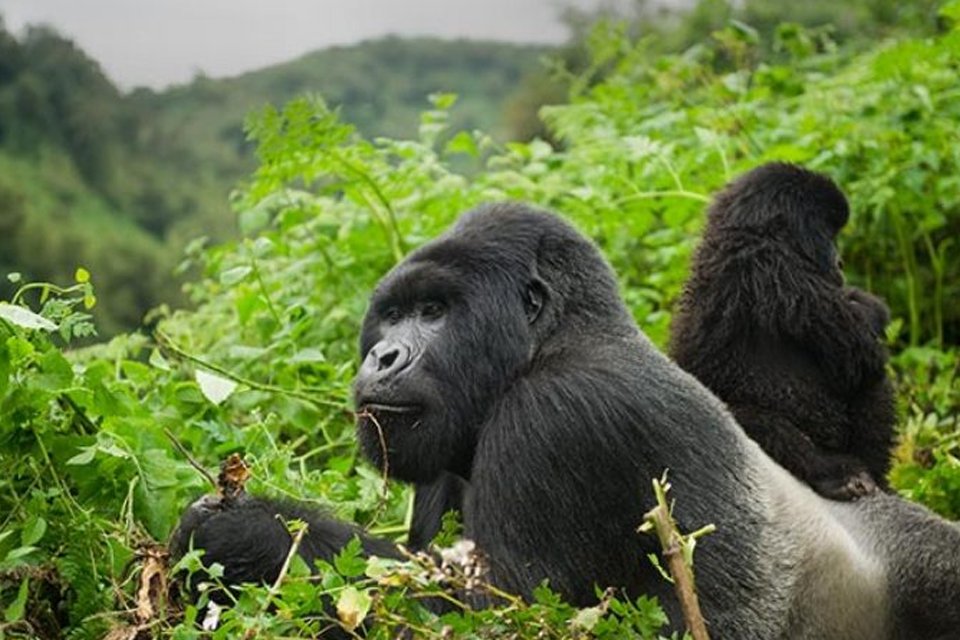
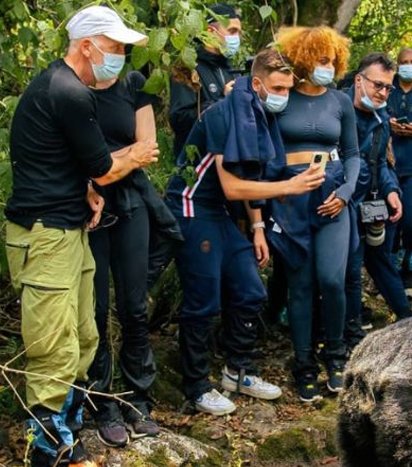
To practice ethical photography during Uganda tours, travelers must balance their creative goals with a deep respect for the environment. While Uganda safaris offer unparalleled opportunities to document rare wildlife, these encounters require strict adherence to conservation protocols. Maintaining a safe distance from animals is the primary rule because it prevents the spread of diseases and stress. Specifically, a safari in uganda that involves gorilla trekking now requires a ten-meter buffer between visitors and the primates.
Professional Preparation for Savanna and Forest
Preparing your equipment before embarking on Uganda tours ensures that you remain unobtrusive while capturing stunning, high-quality wildlife imagery. Since flash photography is strictly prohibited in all national parks, you should master high ISO settings to manage low light. Most Uganda safaris take place in dense forests where the canopy significantly filters the available natural morning sunlight. By using a “silent shutter” mode, you ensure that your presence does not disturb the tranquility of the habitat. Carrying a monopod is often encouraged because tripods are generally too bulky for the rugged terrain encountered during a safari in uganda.
Respectful Conduct During Primate Encounters
When you participate in Uganda tours, your physical behavior is just as important as your technical skill with the camera. You must avoid sudden, jerky movements or loud noises while you are positioned near a family of mountain gorillas. Because gorillas interpret direct, prolonged eye contact as a challenge, you should look through your viewfinder or glance away frequently. During Uganda safaris, the welfare of the animal is always prioritized over the perfect shot, ensuring the encounter remains peaceful. If an animal moves toward you, you are expected to retreat slowly to maintain the required ethical distance.
Sustainable Storytelling and Cultural Respect
A successful safari in uganda extends beyond wildlife to include the vibrant local communities that support these vital conservation efforts. When you are on Uganda tours, it is essential to ask for permission before you photograph local people or ceremonies. This practice fosters genuine connections and ensures that your travel portfolio reflects the true dignity of the Ugandan culture. Furthermore, when sharing your images from Uganda safaris on social media, you should remove GPS tags to protect endangered species. By promoting responsible tourism through your photography, you actively contribute to the long-term survival of Uganda’s most iconic natural treasures.